



Linen has longbeen celebrated for its breezy reputation, yet many men are caught off guard when they feel the fabric’s surprising weight. What seems counterintuitive is actually a masterclass in engineering: premium linen’s denser construction traps less heat while allowing air to circulate freely, delivering a paradoxical coolness that feels almost magical on a sweltering day.
How Premium Linen Weight Combats Heat Retention
The secret lies in the yarn’s thickness and the weave’s tightness. A higher GSM (grams per square meter) creates a fabric that holds more air between fibers, acting like a natural insulator. This trapped air absorbs body heat and then releases it slowly, preventing the rapid temperature spikes that lighter, loosely woven linens can’t manage. The result is a shirt that stays cool even as the sun climbs higher, without the clammy feeling of synthetic blends.
Recommended for You
-

Essentials | HUNTER GREEN Enriched Cotton Shirt
Original price was: ₹1,499.₹999Current price is: ₹999. -
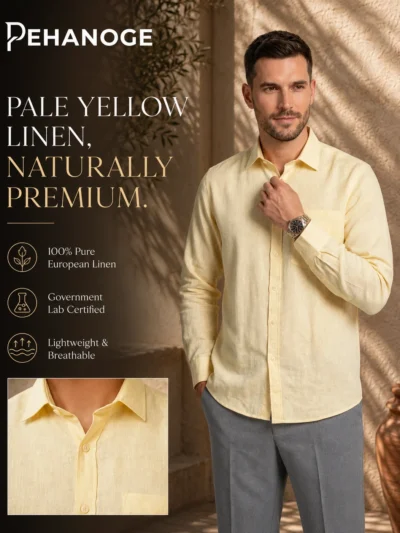
Oxy-Linen™ | Sunlight Yellow – 60 Lea European Linen Shirt
Original price was: ₹4,999.₹3,399Current price is: ₹3,399. -
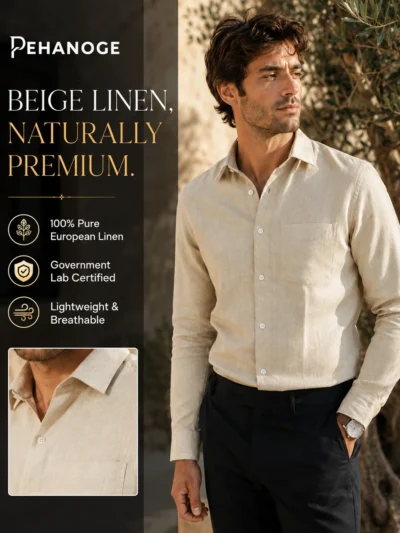
Oxy-Linen™ | Natural Beige – 60 Lea European Linen Shirt
Original price was: ₹4,999.₹3,399Current price is: ₹3,399.
The Science of Linen Fabric Drape
Linen’s long, irregular fibers give it a unique flexibility that sets it apart from cotton or polyester. When the fabric is cut and sewn, these fibers retain a subtle tension that encourages a fluid drape rather than a stiff hang. The drape not only enhances silhouette but also creates micro‑channels for air to flow, further boosting breathability. This natural movement means the garment never clings, allowing skin to stay dry and comfortable throughout long afternoons.
Breathable Heavy Fabrics: Why Linen Outperforms Cotton While cotton is celebrated for its softness, it can become heavy and sweat‑saturated in humid conditions. Linen’s inherent moisture‑wicking ability far surpasses cotton’s capacity, pulling sweat away from the skin and evaporating it instantly. The heavier weight of premium linen actually contributes to this performance; the fabric’s density slows down heat transfer, giving the body a stable micro‑climate that cotton can’t replicate. In effect, a sturdier linen shirt feels lighter because it keeps you cooler.
Styling Secrets for Men Who Think Linen’s Too Bulky
The misconception that heavier linen equals bulk can be dispelled with smart styling choices. Pair a fine‑woven linen blazer with a lightweight chambray shirt, and roll the sleeves just enough to reveal the fabric’s elegant texture. This highlights the drape without adding visual weight. For casual wear, reach for Peahoge shirts made from the same premium linen; their relaxed cut offers the same cooling benefits while keeping the look effortless. Choose muted earth tones or subtle checks that let the fabric’s natural sheen speak for itself, and let the rolled cuffs become a signature detail at monsoon soirées.
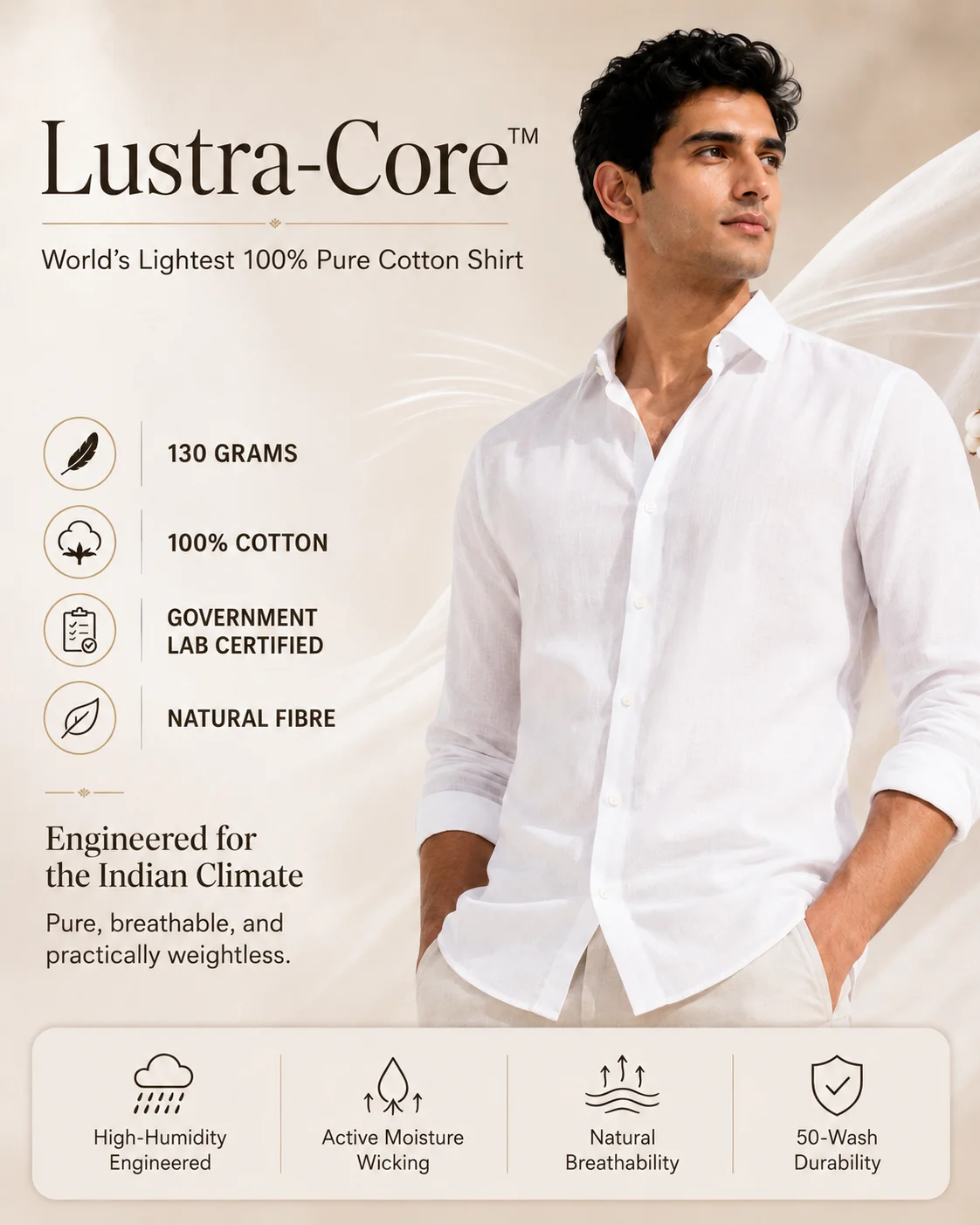
Lustra-Core™ Absolute White
Ultra-light pure cotton shirt engineered for Indian summers.
Indian Linen Heritage: Why Tradition Embraces the Weight India’s climate has always demanded fabrics that marry strength with airflow, and linen fits the bill perfectly. For centuries, master weavers in regions like Gujarat and Bengal have crafted mul‑mul linen that’s both sturdy and ethereally light. Their 60‑denier linen, woven for buta‑printed kurtas, showcases how tradition embraces weight as a virtue—by weaving tighter threads that maintain porosity, the fabric stays cool while supporting intricate prints. This heritage informs modern menswear, encouraging designers to honor the balance of heft and breathability that Indian artisans have perfected.
FAQs
Why does heavier linen feel cooler than lighter alternatives?
Heavier linen contains more tightly packed fibers that trap air, creating an insulating layer that slows heat transfer. This trapped air absorbs body heat and releases it gradually, keeping the skin’s temperature stable even when the surrounding air is hot.
Can men with slim builds wear heavy linen without appearing bulky?
Absolutely. Opt for garments cut in a slim silhouette and choose finer weaves with a higher thread count. Rolling sleeves or cuffs showcases the fabric’s drape, drawing the eye upward and avoiding the perception of bulk.
How does linen’s natural warp density prevent wrinkling compared to blended fabrics?
Linen’s long fibers create a strong, slightly stiff warp that resists creasing. Unlike cotton‑polyester blends that soften and relax quickly, linen maintains its structure, so wrinkles are minimal and often fade naturally as the garment settles.
What maintenance routines preserve linen’s breathability over time?
- Wash in cool water with a mild detergent, avoiding harsh chemicals.
- Skip the dryer; air‑dry flat to retain the natural fiber strength.
- Iron while slightly damp on the reverse side to flatten creases without crushing the weave.
- Store folded rather than hung to prevent stretching, which can alter the fabric’s density.
Linen’s paradoxical weight makes it a standout choice for men who demand both comfort and style, especially in India’s humid climate where tradition and modernity converge. By understanding the science behind the fabric and embracing smart styling, you can enjoy the cool luxury of premium linen in every season.