



In men’s fashion, the quest for breathable yet stylish fabrics has led to a surge in linen‑inspired blends. However, many synthetic fibers masquerade as real linen, offering less durability and comfort. Understanding how to distinguish real versus fake linen empowers you to make eco‑conscious investments without sacrificing style. This is especially important in India, where summer heat demands fabrics that breathe, and where the market is saturated with cheap imitations that promise the same perkup as a genuine flax sheet.
The Fabric Burn Test: A Foolproof Method to Real vs Fake Linen
The burn test is one of the simplest yet most definitive ways to spot a fake. Select a small, inconspicuous corner of the garment – often a seam or hidden seam allowance. Hold it with tweezers and bring a match or lighter to a very low flame. Treat the area as if you’re testing a napkin, but be cautious not to ignite the surrounding fabric.
Recommended for You
-

Noble Stitch | Blossom Finch Giza Cotton Shirt
Original price was: ₹1,999.₹1,599Current price is: ₹1,599. -
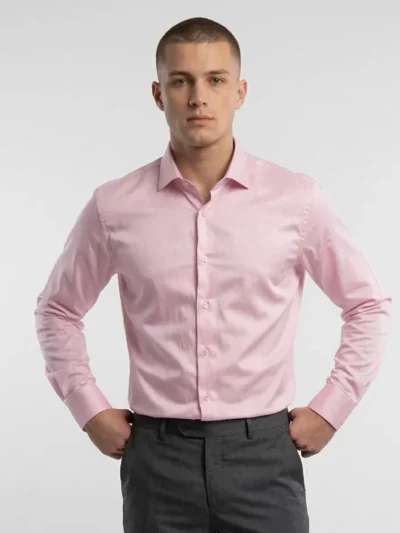
Giza-Silk | Blossom Pink Long-Staple Giza Cotton Shirt
Original price was: ₹1,499.₹1,199Current price is: ₹1,199. -

Essentials | OXFORD BLUE Enriched Cotton Shirt
Original price was: ₹1,499.₹999Current price is: ₹999.
- Real linen will burn slowly, producing a dark ash with a slight acrid odor. It leaves behind a charred residue that is fine and dry.
- Polyester or nylon blends will ignite instantly, smell sweet or chemical, and produce a hard, black ash that stays intact when you pull it apart.
- Wool or cotton may start to singe but the burn slows as you keep the flame away.
Tip: Do not steam or fold the fabric before burning; moisture can alter the combustion.
Visual Clues to Differentiate Real Linen from Synthetic Blends
A seasoned eye can spot many differences without the need for a burn test. Pay attention to the following visual cues:
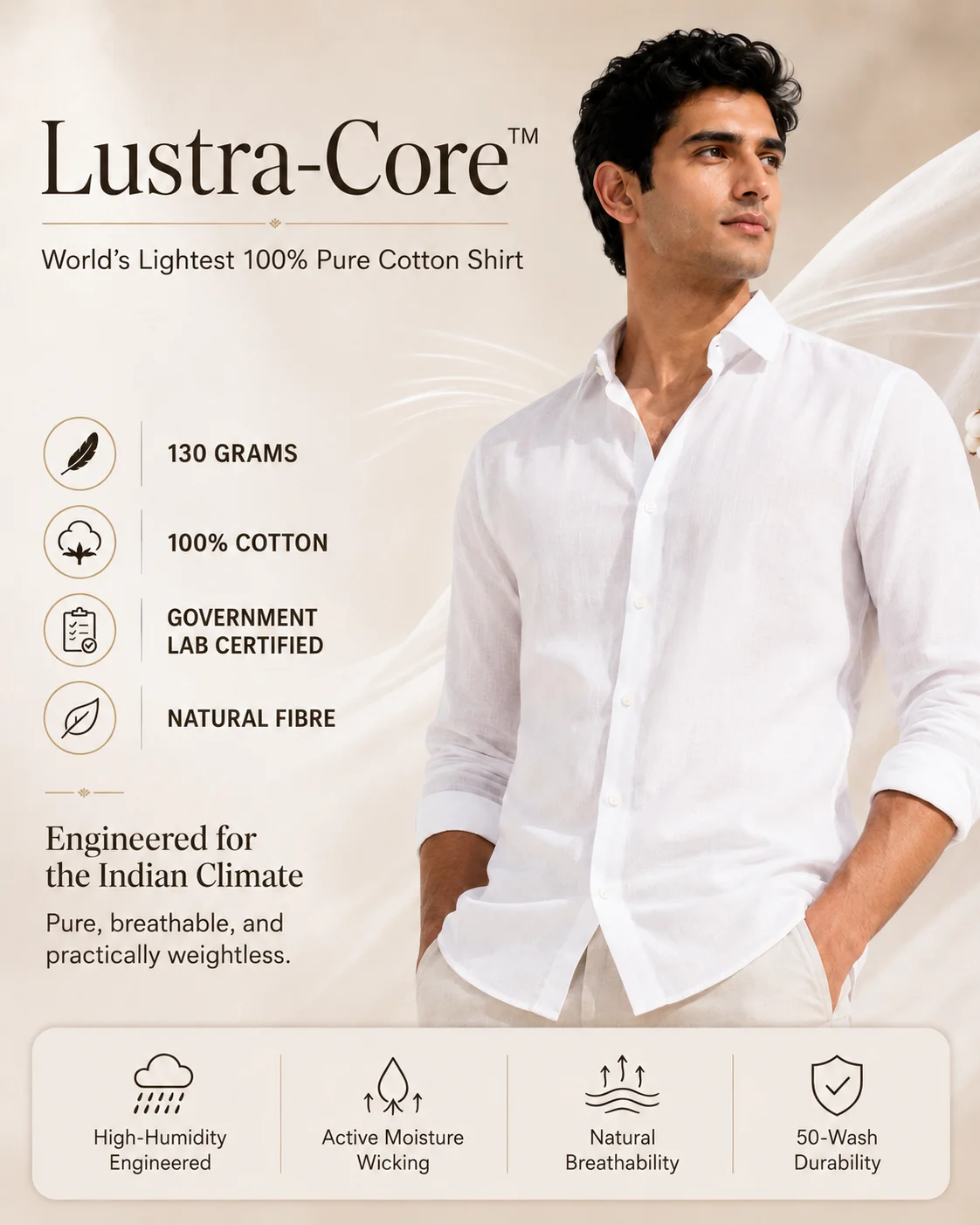
Lustra-Core™ Absolute White
Ultra-light pure cotton shirt engineered for Indian summers.
- Pattern regularity. Linen threads are made from 100‑strand flax, giving a slightly irregularness that “hand‑woven” looks bring. Blends often show a mirror‑smooth weave.
- Brightness. Genuine linen has a soft, muted sheen that shifts subtly with light. Polyester gives a glossy, reflective look that doesn’t soften.
- Edge cut. The raw edge of a linen yard falls in a soft, drooping manner, whereas synthetic edges tend to stiffen once dry.
When browsing a Pehanoge shirt or a casual knit blouse, check if the price point matches the weave’s complexity. A high‑priced “linen” shirt with a straight‑cut, ultra‑slick finish is probably synthetic.
The Real vs Fake Linen Texture: Identifying Key Differences
Touch is another reliable indicator. Fold a section of fabric and observe how it folds:
- Real linen feels slightly coarse yet supple. When tension is released, it softens gradually, indicating a natural fiber that moves with your body.
- Synthetic blends have a quickroom texture – they reset instantly after pulling, because polyester fibers can stretch and recover faster.
If you press the fabric against a mirror, linen will slighty recline in the folds, whereas polyester tends to maintain the crease, reflecting its engineered durability.
Spotting Polyester Blends in Linen‑Look Fabrics: Red Flags to Watch For
In the Indian market, polyester blends are often labelled as “linen‑like” to reduce cost. Spotting these early protects you:
- Over‑tight rolling: A 5–10 % polyester blend imposes rigid durability, so the cloth won’t drape as naturally.
- Color retention after washing: Polyester resists fading, making the garment stay vivid. Real linen, due to its natural composition, will slightly fade after successive washes – a small sign of authenticity.
- Stiffness in high‑wear areas: Look at the cuffs, collars, or seams. Genuine linen will soften with wear, while polyester stays firm.
If a cloth appears too elastic, especially around shirt collars, it’s a likely polyester–linen mix.
Styling Secrets for Real Linen and Synthetic Mimetics
Real linen excels in casual summer wear because of its breathability. The hallmark is a relaxed drape. For modern, structured pieces, such as a chic Pehanoge blazer, synthetic blends can mimic that texture while offering strength:
- Pair real linen shirts with crisp whites or earthy tones to showcase their natural character.
- For a tailored settee that withstands a busy Mumbai itinerary, consider a polyester‑linen blend to avoid pilling.
- Avoid tight fits; linen’s relaxed drape thrives in a loose silhouette, preventing that “tight‑on‑your‑sides” look.
- Combine with natural fibers like cotton or wool to add texture and depth – a classic Indian garment ensemble can include cotton kurta, wool cap, and linen shirt layered for a balanced aesthetic.
Buying Guide for Authentic Linen
• Where to buy
- Dedicated fabric stores or online sites that specialize in natural fibres.
- Local handloom markets in Varanasi, Kanchipuram, or Nashik are goldmines.
- Platforms like Fabindia certify genuine linen blends.
• What to check
- Fiber content labels: 100 % flax = real linen.
- Avoid “ultra‑smooth” textures; a slightly rugged feel indicates natural fibre.
- Verify with manufacturers about invisible blends (often hidden in marketing).
• Blend verification
- Turn to blends labelled 5–10 % polyester for durability but confirm with touch and burn tests.
Indian Context: The Rise and Fall of Fabric Authenticity
In India, hand‑woven linen blends like “revived” and “khadi” dominate summer collections, especially in metro cities like Mumbai and Chennai. Synthetic “linen” fakes infiltrate mid‑range markets, mimicking artisanal weaving patterns. Pro tip: visit local handloom hubs like Varanasi or Kanchipuram for genuine fabrics, and use certified retailers like Fabindia for proven linen blends. The climate drives the demand, and with it the temptation for cheaper substitutes – yet discerning shoppers still prefer authentic breathability.
FAQs
How can I perform a fabric burn test at home to identify fake linen?
Choose a hidden corner of the garment, ignite with a match, observe the burn speed, smell, and ash. Real linen burns slowly, smells acrid, and leaves fine ash; synthetic blends ignite instantly, smell chemical, and leave black, hard ash.
What are the main visual differences between real and synthetic linen look fabrics?
- Real linen has a muted, soft sheen with subtle weave irregularities.
- Synthetics are glossy, exhibit uniform patterns, and edges are sharper.
- Real linen edges soften when dry; synthetic edges stay crisp.
How do I determine if a fabric contains polyester in a linen‑like material?
Check labels for 100 % flax claims. Feel the texture – synthetic blends stiffen quickly and retain creases. Do a burn test; polyester chars quickly and emits a sweet smell.
Why are synthetic linen blends more common in markets like India?
Cost‑effective production, higher durability, and resistance to shrinking or pilling make polyester‑linen blends attractive to retailers targeting mid‑range consumers, especially in humid, hot regions where quick drying and cheaper stocking are critical.