



When your body needs time to heal, your wardrobe should work as hard as your medical team – and not against you. Choosing the right soft fabrics for recovery isn’t just about comfort; it’s about creating an environment that supports your body’s natural healing process while protecting sensitive surgical areas. Linen, with its combination of breathability, softness, and natural resilience, emerges as an exceptional choice for those navigating recovery. In the context of Indian post-surgery care, the importance of selecting garments that align with the country’s climate and medical practices cannot be overstated.
Why Linen Stands Out Among Soft Fabrics for Recovery
Among various soft fabrics recommended for the post-surgical recovery phase, linen is unparalleled in its ability to offer a perfect equilibrium between comfort and support. Unlike regular cotton, linen fibers are exceptionally sturdy, yet they possess a natural crispness and softness. This quality makes linen an ideal choice for recovery wear, as it provides a gentle barrier against irritants while allowing for easy air circulation. Additionally, the fabric’s slight elasticity helps reduce the risk of friction, which can be a common issue during recovery.
Recommended for You
-
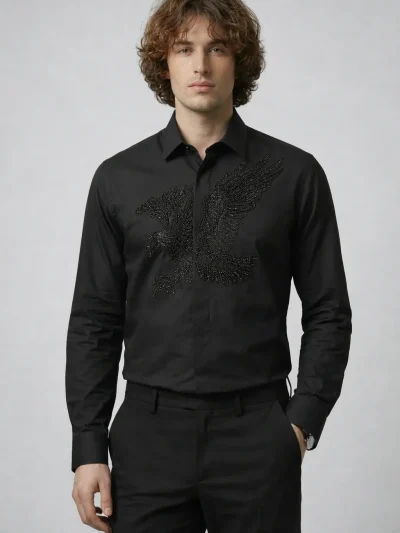
Noble Stitch | Midnight Eagle Giza Cotton Shirt
Original price was: ₹1,999.₹1,599Current price is: ₹1,599. -
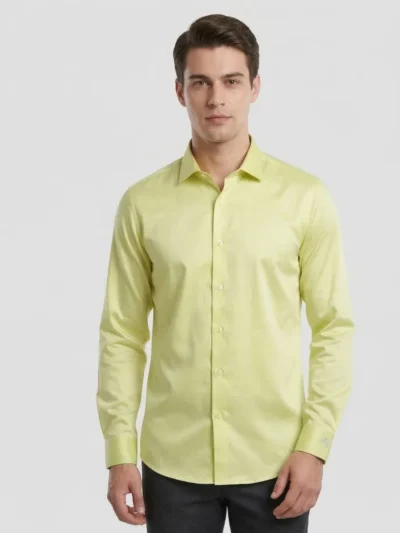
Giza-Silk | Lemon Yellow Long-Staple Giza Cotton Shirt
Original price was: ₹1,499.₹1,199Current price is: ₹1,199. -

RUGGED-NAP | GREEN CHECKED SHIRT
Original price was: ₹1,499.₹1,299Current price is: ₹1,299.
- Durability meets comfort: The long fibers of linen resist pilling and shrinking, making it more sustainable than other garments during extended recovery periods.
- Ease of care: Linen’s resistance to mildew and mold makes it a better choice in humid weather, which is common in India.
The Hypoallergenic Advantage: Keeping Sensitivities at Bay
Post-surgery skin is delicate, and even the tiniest irritant can exacerbate discomfort. This is where linen’s hypoallergenic properties shine. The scent of most laundry detergents can be a problem for those recovering in hospitals. Linen, with its natural resistance to odors, often requires less and gentler washing agents, reducing the risk of chemical exposure.
- Gentle on healing skin: Linen is less likely to harbor bacteria, lowering the risk of infection when nursing wounds are exposed to these environments.
- Low allergy risk: It doesn’t trap dust mites or allergens, which is a significant advantage for patients with compromised immune systems.
Breathable Post-Op Wear: Preventing Heat Trapping and Irritation
Maintaining a suitable temperature is crucial for healing, and browns in India can escalate this challenge. Post-op garments that don’t trap heat but still provide warmth during the night are a priority for Indian post-surgery patients. Linen’s breathability ensures the airflow is maximized, which is crucial to prevent heat-related complications.
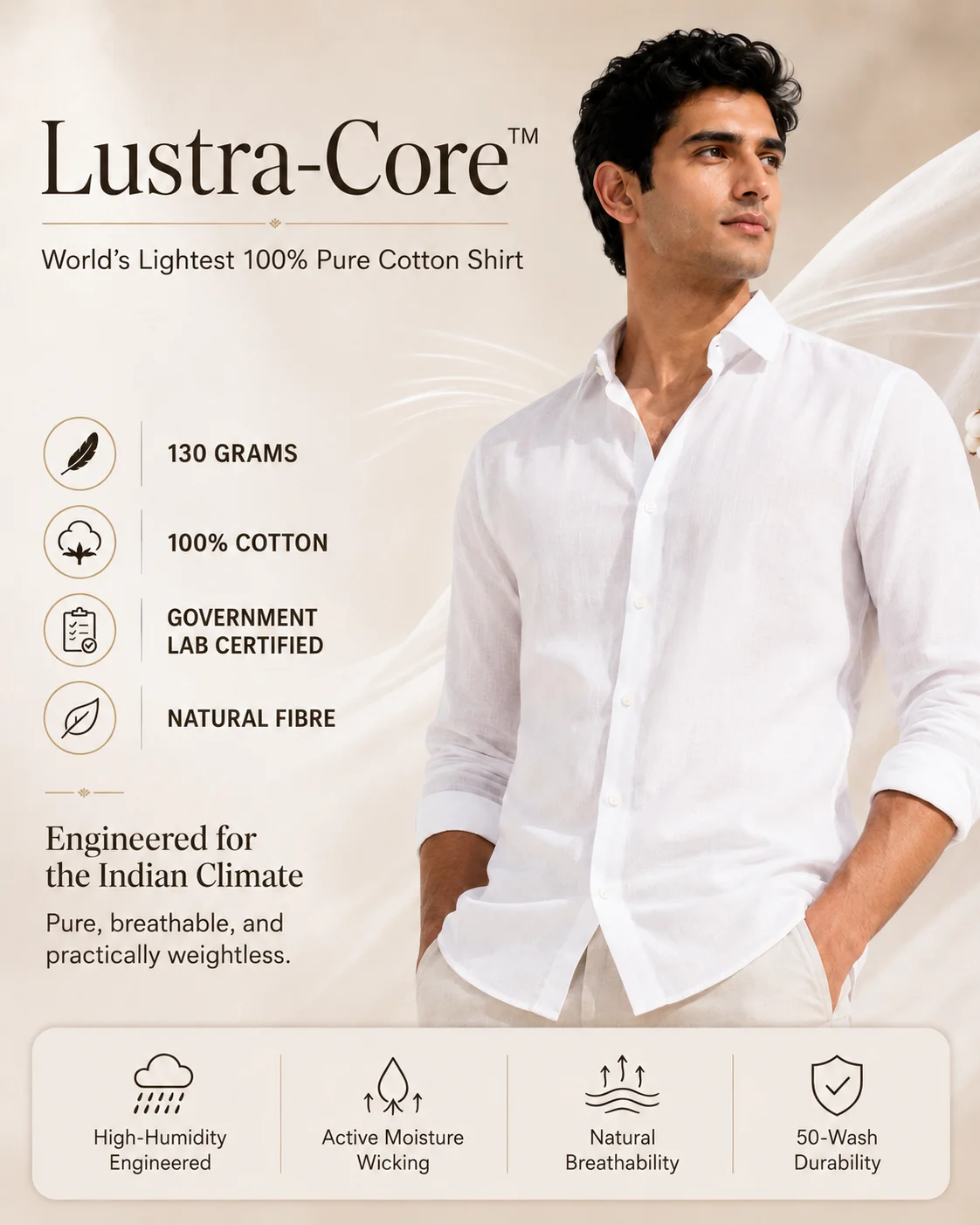
Lustra-Core™ Absolute White
Ultra-light pure cotton shirt engineered for Indian summers.
- Ventilation for healing: The natural weave of linen allows for better heat dissipation, preventing the obstacles of overheating and perspiration.
- Adaptable comfort: Linen adapts well to varying temperatures, ensuring that the wearer is neither too cold nor too warm, which is particularly relevant in diverse Indian weather patterns.
Gentle Fibers That Won’t Compromise Surgical Site Integrity
In post-op care, it’s essential to avoid the introduction of bacteria to surgical sites. Linen fibers are finer and smoother, meaning they are less likely to compromise the integrity of the healing wound than other fabrics.
- Fabric fibers: Cannot easily adhere to or collect on the surgical site, making them less intrusive in the recovery process.
Styling Section
During recovery, linen’s relaxed silhouette becomes your best friend. Opt for oversized linen shirts with front openings for easy access, loose-fitting pants that don’t constrict healing areas, and lightweight jackets that provide coverage without restriction. The natural wrinkles? They’re not just character – they’re proof of the fabric’s ability to move with your body without elastic or structured seams pressing against incisions.
- Practical styling: Linen’s versatility allows for creating practical, stylish recovery wear that balances the need for medical-grade comfort with personal style. The “Pehanoge” shirts, for instance, feature elegant detailing that stays discreet during the healing process.
Buying Guide Angle
When shopping linen for post-surgery needs, prioritize organic, undyed options with minimal processing. Look for medium-weight weaves that aren’t too stiff or sheer, and avoid pieces with metal buttons or zippers near surgical sites. In India, brands like FabIndia’s handloom collection and local tiwi cotton-linen blends offer excellent recovery-friendly options at accessible price points.
- Source wisely: Look for locally produced linen garments to support emerging artisans and reduce the carbon footprint associated with global shipping.
Indian Context Angle
In the Indian climate, linen’s cooling properties become even more crucial for recovery. Our bodies are already adapting to healing while managing ambient heat, making breathable post-op wear essential. Local handloom cotton-linen mixes from states like West Bengal and Tamil Nadu offer the perfect compromise – maintaining linen’s therapeutic benefits while being kinder to our humid weather. Additionally, traditional Indian kurta styles in linen provide modest, roomy coverage ideal for post-surgical torso procedures.
- Cultural relevance: Integrating traditional Indian garments into your recovery wardrobe can add a layer of comfort accentuating the respect for local traditions and comfort.
FAQs
Is linen safe to wear directly against surgical incisions?
Linen is generally safe to wear directly against surgical incisions as it is gentle on the healing tissues and has antimicrobial properties that help prevent infections.
How often should I wash linen recovery wear to prevent infection?
For post-surgery garments, it’s essential to wash them after every use. The fabric’s natural properties make it less prone to trapping bacteria, but regular washing is necessary to maintain hygiene standards.
Can linen cause allergic reactions in sensitive post-op patients?
Linen is naturally hypoallergenic, making it suitable for patients with sensitive skin. However, some commercially processed linens may contain allergens, so opt for organically produced linen when possible.
What’s the difference between linen and cotton for post-surgery comfort?
While both materials are breathable, linen is sturdier, has natural antimicrobial properties, and resists wrinkles better, maintaining a shape that’s more comfortable during long hospital stays. Cotton, on the other hand, tends to absorb more moisture which can lead to mildew, although it’s softer and more absorbent.
Incorporating linen into your post-surgery wardrobe is not just about choosing a fabric that looks good but ensuring that it aids in the body’s natural recovery process. With the right care and selection, linen can be a pivotal ally in the journey to healing in a country like India, where the climate and cultural fabric add their own unique nuances to recovery care.