



Linen has been a staple in Indian wardrobes for centuries, prized for its airy feel and effortless elegance. What many don’t realize is that its natural fiber structure also makes it one of the most odor‑resistant fabrics available. While summer temperatures soar and humidity clings to every stitch, linen’s ability to breathe, wick moisture and inhibit bacterial growth keeps you feeling fresh from morning meetings to late‑night gatherings. In this post we’ll unpack the science behind linen’s odor resistance, compare it with synthetic blends, show you how to style it for all‑day confidence, and give you a practical buying guide—complete with an Indian‑centric perspective and answers to the most common queries.
The Science Behind Linen’s Odor Resistance: Natural Fiber Benefits
- Cellulose composition – Linen fibers are made of pure cellulose, a plant‑derived polymer that naturally repels moisture. Unlike synthetic yarns that trap sweat, linen’s structure allows water molecules to evaporate quickly, leaving less damp environment for odor‑causing bacteria to thrive.
- Hollow fiber channels – Under a microscope, linen reveals microscopic channels that act like tiny air vents. These channels encourage airflow, helping the fabric stay dry even when humidity is high.
- Natural antimicrobial agents – Flax, the plant source of linen, contains lignin and flavonoids that possess mild antibacterial properties. While the effect isn’t as strong as a chemical finish, it adds a subtle layer of protection against the microbes that cause smell.
- Quick drying – Because the fibers release moisture faster than cotton, linen garments return to a “dry” state within minutes of a light breeze. The faster the drying time, the less time bacteria have to multiply, which translates to a longer‑lasting freshness.
Why Odor Resistant Fabrics Like Linen Outperform Synthetic Blends
Synthetic blends—polyester, rayon, nylon—are engineered for durability and wrinkle resistance, but they often sacrifice breathability. Here’s how linen pulls ahead:
Recommended for You
-

Noble Stitch | Blossom Finch Giza Cotton Shirt
Original price was: ₹1,999.₹1,599Current price is: ₹1,599. -
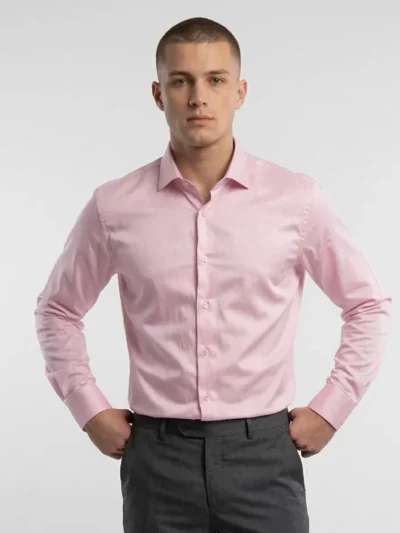
Giza-Silk | Blossom Pink Long-Staple Giza Cotton Shirt
Original price was: ₹1,499.₹1,199Current price is: ₹1,199. -

Essentials | OXFORD BLUE Enriched Cotton Shirt
Original price was: ₹1,499.₹999Current price is: ₹999.
- Moisture management – Synthetic fibers absorb sweat and hold it against the skin, creating a perfect breeding ground for odor. Linen’s hydrophobic outer surface pushes moisture away, while its inner capillaries guide it out.
- Thermal regulation – Linen reflects heat rather than trapping it. This keeps the body’s core temperature lower, reducing the amount of sweat produced in the first place.
- Less chemical odor‑lock – Many cheap synthetics are treated with finishes that can actually lock in smells. Linen is typically left untreated or only lightly washed, preserving its natural freshness.
If you’ve ever tried a Pehanoge synthetic shirt on a sweltering Delhi afternoon, you’ll know the difference. A linen Pehanoge shirt, on the other hand, feels like a gentle breeze and stays odor‑free far longer.
Styling Summer Outfits with Odor‑Resistant Linen for All‑Day Freshness
Linen’s reputation for casual comfort doesn’t mean you have to sacrifice style. Indian summer wardrobes can be both sophisticated and odor‑free with a few key pieces.
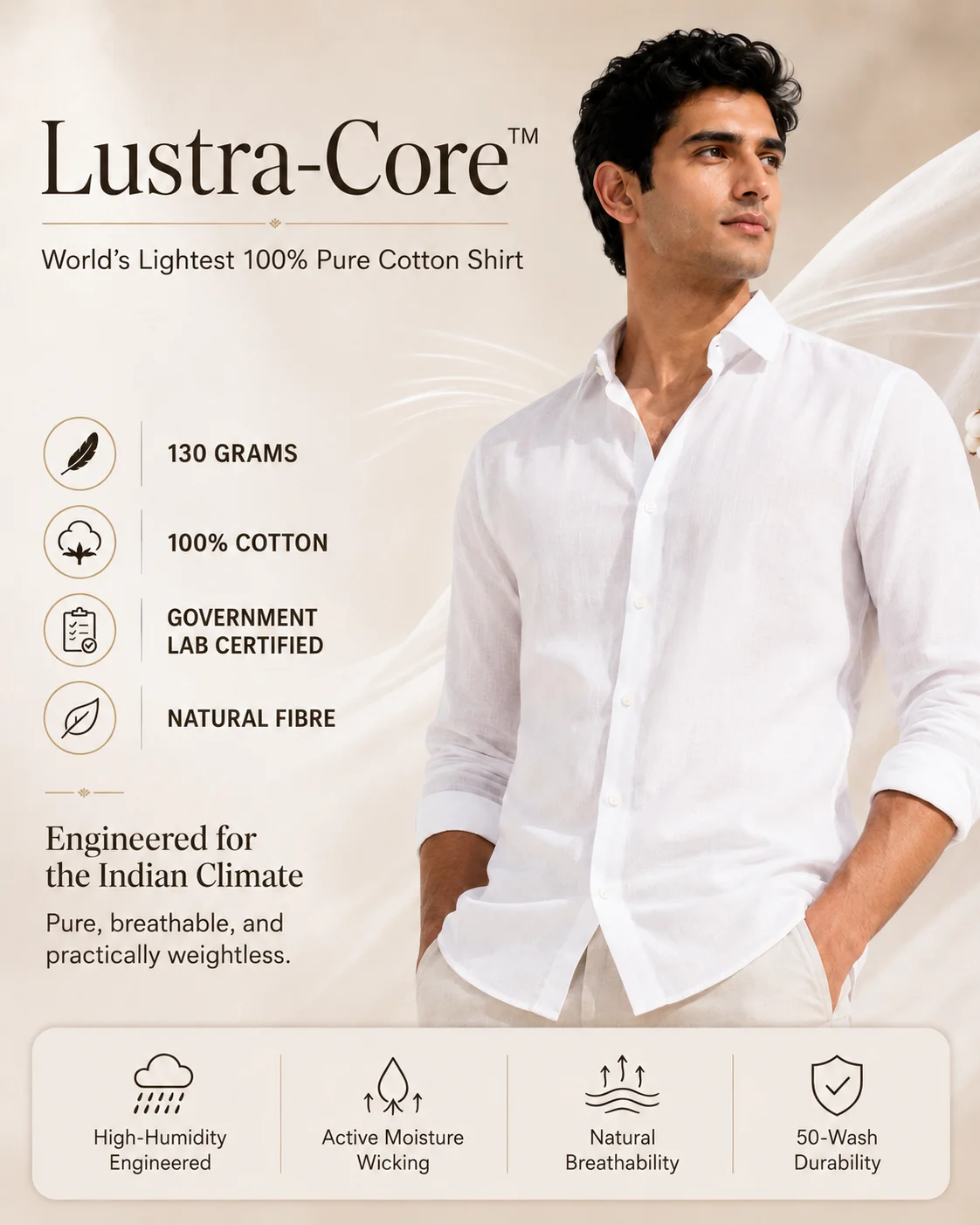
Lustra-Core™ Absolute White
Ultra-light pure cotton shirt engineered for Indian summers.
- Casual tees and polos – Pair a lightweight linen tee with slim chinos or denim for a relaxed yet polished look. The fabric’s natural drape prevents clinging, while the odor resistance means you can wear it straight from the office to a night out.
- Tailored suits – A linen suit in muted earth tones works wonders for weekend weddings or garden parties. The breathable inner lining keeps you cool, and the subtle sheen adds a touch of elegance without the need for over‑layering.
- Traditional garments – Consider a linen kurta or Nehru jacket for cultural events. The fabric’s coolness mirrors the classic cotton kurta but offers an extra layer of freshness, especially during long evenings at a rooftop dinner.
- Shorts and trousers – Linen drawstring shorts or relaxed‑fit trousers are perfect for travel or weekend getaways. They dry quickly after a splash of water and stay odor‑free, making them ideal for impromptu beach trips.
When shopping, look for Pehanoge’s linen collection, which blends traditional Indian cuts with modern tailoring. Their shirts often feature a slightly looser cut that respects the fabric’s natural drape, reducing the need for constant ironing.
Choosing the Best Odor Resistant Fabrics: A Buying Guide
Finding the right linen piece goes beyond “it feels nice.” Keep these factors in mind:
- Fiber purity – 100 % linen offers the full suite of odor‑resistant benefits. Blends with cotton or rayon dilute the effect.
- Weave type – A plain or twill weave provides a tighter structure, which can slightly improve durability while maintaining breathability.
- Weight – Light‑weight linen (150‑200 gsm) is ideal for hot days, while a medium weight (210‑250 gsm) works better for structured shirts or suits.
- Finish – Look for garments labelled “pre‑washed” or “soft‑finished.” These treatments enhance hand feel without adding chemicals that could trap smell.
- Fit – A relaxed fit allows air to circulate freely. Over‑tight cuts can limit the fabric’s natural ventilation and negate its odor‑resistant qualities.
When in doubt, touch the fabric. True linen feels crisp at first, then softens with each wash, and it should have a subtle, natural scent—not the chemical odor of synthetic finishes.
Indian Context: Linen in Traditional and Modern Garments
India’s climate—high temperatures, monsoon humidity, and dusty streets—has always demanded fabrics that keep the body cool and clean. Historically, linen was woven in regions like Gujarat and Rajasthan for turbans, dhotis, and lightweight shirts. Today, designers are reviving that heritage by integrating linen into contemporary silhouettes.
- Festival wear – A linen kurta paired with a silk dupatta can bridge the gap between comfort and celebration, ensuring you stay fresh during long temple visits or wedding processions.
- Corporate casual – In metros like Mumbai and Bengaluru, the office dress code is evolving toward smart‑casual. A linen Pehanoge shirt, unbuttoned at the collar, offers a professional look without the heat‑trapping effect of a full‑cotton dress shirt.
- Travel gear – For inter‑state trips, linen shirts and trousers dry quickly in the arid deserts of Rajasthan or the humid coasts of Kerala, reducing the need for frequent laundry.
FAQs
FAQs
Does linen really stay fresh longer than cotton or synthetic shirts?
Yes. Linen’s ability to wick moisture away, dry quickly, and its natural antimicrobial compounds mean it provides a longer window of freshness compared with cotton, which retains more moisture, and synthetics, which often trap sweat and odor.
How does the weave of linen affect its odor resistance?
A tighter plain or twill weave creates a smoother surface that limits the amount of sweat that can penetrate the fibers, while still allowing air to pass through. Looser weaves increase breathability but may hold more moisture; choosing a balanced weave gives the best odor‑resistant performance.
Can I treat linen with detergents to enhance its odor resistant properties?
Mild, pH‑balanced detergents are fine and help keep the fibers clean. Avoid bleach or heavy fabric softeners—they can coat the linen and diminish its natural breathability. Some people add a splash of white vinegar during the rinse cycle to maintain the fabric’s natural pH, which supports its antibacterial properties.
What care tips preserve linen’s natural antibacterial benefits?
- Wash in cold or lukewarm water – Hot water can weaken the fibers.
- Use gentle detergent – Skip chlorine bleach.
- Air‑dry whenever possible – Sunlight further inhibits bacterial growth.
- Iron while damp – This keeps the linen supple and maintains the natural weave structure.
- Store in a breathable bag – Avoid plastic pockets that trap moisture.
By respecting these simple guidelines, your linen pieces—especially those from Pehanoge—will stay fresh, stylish, and ready for any Indian summer adventure.