



Understanding the subtle differences between true white and optical white fabrics is crucial for men who want to maintain a crisp, clean look in their wardrobe. This guide explores how these whites perform under natural daylight and offers insights into choosing the right option for your style and skin tone.
The Science Behind True White and Optical White Fabrics
True white fabrics are created using natural fibers like cotton or linen that reflect all wavelengths of visible light equally. This results in a pure, clean appearance without any color cast. On the other hand, optical white fabrics are treated with optical brighteners or fluorescent whitening agents. These chemicals absorb ultraviolet light and re-emit it as blue light, giving the fabric a brighter, sometimes bluish appearance.
Recommended for You
-

Oxy-Linen™ | Lemon Yellow – 60 Lea European Linen Shirt
Original price was: ₹4,999.₹3,399Current price is: ₹3,399. -
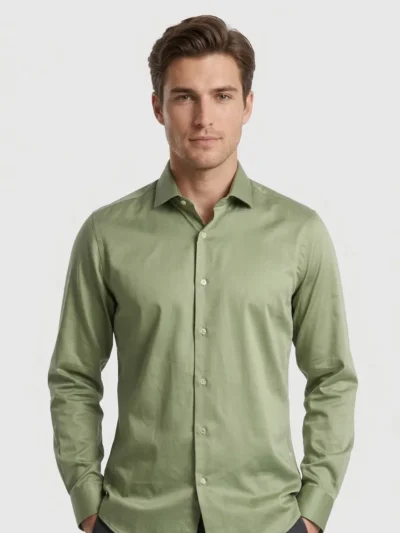
Giza-Silk | Forest Green Long-Staple Giza Cotton Shirt
Original price was: ₹1,499.₹1,199Current price is: ₹1,199. -

Oxy-Linen™ | Cream Linen – 60 Lea European Linen Shirt
Original price was: ₹4,999.₹3,399Current price is: ₹3,399.
The key difference lies in how these fabrics interact with light. True white maintains its color consistency under various lighting conditions, while optical white can appear more vibrant in natural daylight due to the presence of these brightening agents.
Daylight Test: How Natural Light Reveals the Differences
Natural daylight is the ultimate test for distinguishing between true white and optical white fabrics. Under bright sunlight, optical white fabrics tend to appear brighter and slightly bluish. This effect is due to the optical brighteners reflecting more light, making the fabric look whiter than it actually is. In contrast, true white fabrics maintain a consistent, pure white appearance without any color shift.
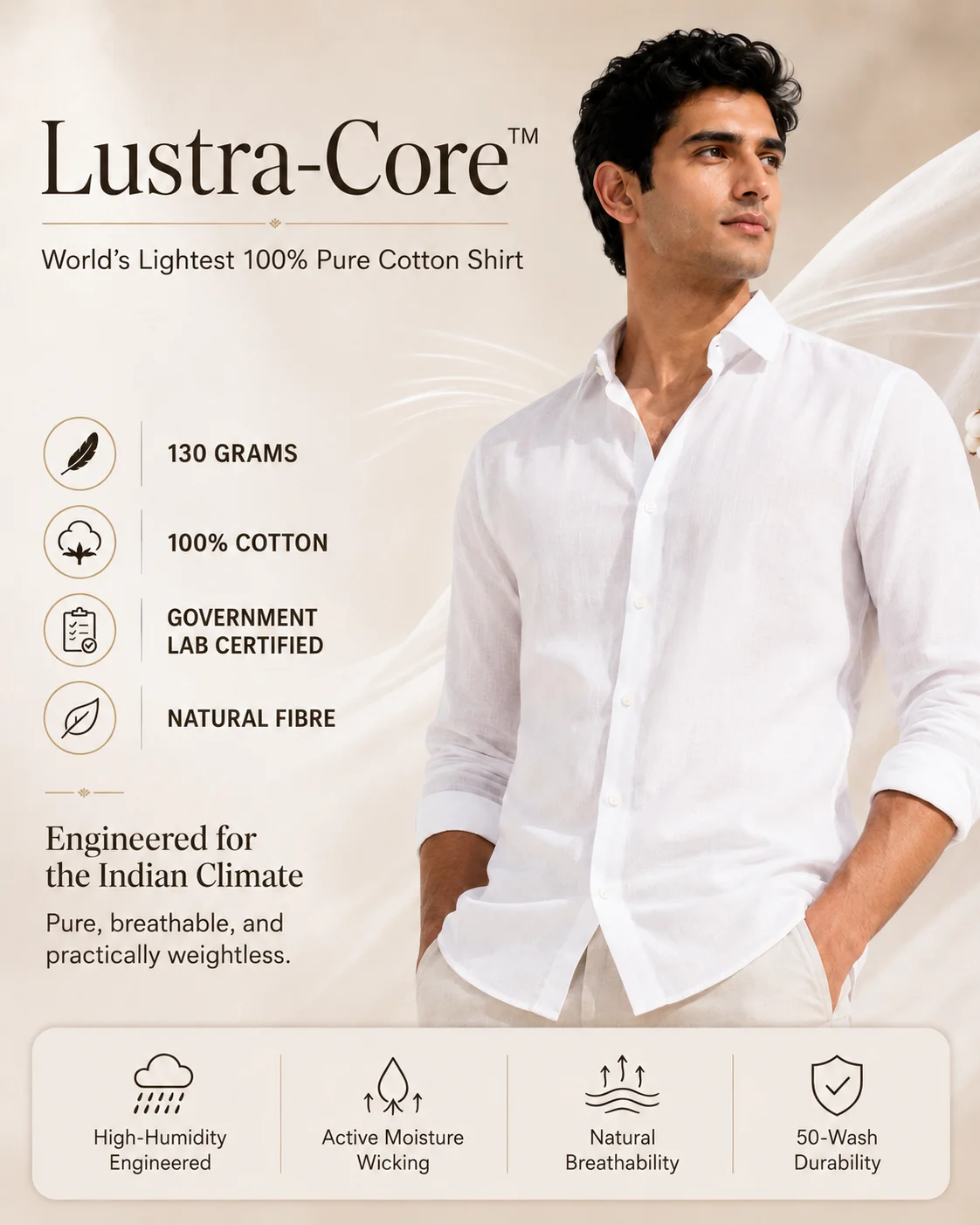
Lustra-Core™ Absolute White
Ultra-light pure cotton shirt engineered for Indian summers.
For men who spend a lot of time outdoors or in well-lit environments, understanding how these fabrics behave in natural light can help in making informed wardrobe choices. Optical white shirts might be more suitable for casual outings where a brighter appearance is desired, while true white shirts are ideal for formal settings where a classic look is preferred.
True White vs Optical White: Impact on Skin Tone and Appearance
The choice between true white and optical white can significantly impact how your skin tone appears. Optical white, with its slight blue tint, can make darker skin tones look more vibrant and healthy. This is because the blue undertones complement warmer skin tones, creating a balanced and flattering look.
For men with fair skin, true white might be a better option as it provides a neutral backdrop that doesn’t wash out the complexion. It’s essential to consider your skin tone when selecting between these two options to ensure your outfit enhances your natural features.
Preventing Yellowing: Maintenance Tips for Both Fabric Types
Both true white and optical white fabrics are susceptible to yellowing over time, but the causes and prevention methods differ. True white fabrics can yellow due to exposure to sweat, oils, and environmental pollutants. To prevent this, regular washing with a gentle detergent and avoiding harsh chemicals is recommended.
Optical white fabrics, while initially resistant to yellowing due to the presence of brighteners, can lose their brightness over time as these agents break down. To maintain their appearance, it’s crucial to follow care instructions carefully and avoid excessive exposure to sunlight, which can degrade the optical brighteners.
Choosing the Right White: A Comprehensive Shirt Guide
When selecting a white shirt, consider the occasion, fabric type, and your personal style. True white shirts are perfect for formal events and professional settings, offering a timeless and elegant look. They pair well with suits and ties, making them a staple in any man’s wardrobe.
Optical white shirts, with their modern and slightly edgy appearance, are ideal for casual outings and contemporary fashion statements. They can be paired with jeans or chinos for a relaxed yet stylish look. When choosing between the two, consider the fabric’s care instructions to ensure longevity and maintain the shirt’s brightness.
Styling with white shirts can elevate any outfit, but understanding the nuances between true white and optical white can make a significant difference. True white offers a classic, timeless look that pairs well with both casual and formal attire. Optical white, with its slight blue tint, can add a modern edge to your ensemble. Consider your skin tone and the occasion when selecting between the two to ensure your outfit complements your overall appearance.
Indian Context: Cultural Preferences and Climate Considerations
In the Indian context, where vibrant colors and diverse fabrics are prevalent, choosing between true white and optical white can be influenced by cultural preferences and climate. True white shirts are often favored for their versatility and ability to pair with traditional Indian attire. They are a popular choice for weddings and religious ceremonies, where a clean and classic look is desired.
Optical white, with its subtle sheen, can add a contemporary touch to fusion outfits, blending traditional and modern styles. The local climate also plays a role in fabric selection. In hotter regions, breathable fabrics like cotton in true white are preferred for their comfort and ability to reflect heat.
When purchasing white shirts, consider the fabric type and its intended use. True white shirts are ideal for formal settings and professional environments, offering a clean and traditional appearance. Optical white shirts, on the other hand, are perfect for casual outings and modern fashion statements. Pay attention to the fabric’s care instructions to prevent yellowing and maintain the shirt’s brightness over time.
FAQs
What is the main difference between true white and optical white fabrics?
True white fabrics reflect all wavelengths of visible light equally, resulting in a pure, clean appearance. Optical white fabrics are treated with brighteners that absorb ultraviolet light and emit blue light, giving them a brighter, slightly bluish appearance.
How does natural daylight affect the appearance of true white vs optical white?
Under natural daylight, optical white fabrics appear brighter and slightly bluish due to the presence of optical brighteners. True white fabrics maintain a consistent, pure white appearance without any color shift.
Which white fabric is better for preventing yellowing over time?
Both fabric types are susceptible to yellowing, but for different reasons. True white fabrics can yellow due to exposure to sweat and oils, while optical white fabrics can lose their brightness as the brighteners degrade. Regular washing and proper care can help prevent yellowing in both types.
How can I choose the right white shirt based on my skin tone?
Optical white, with its blue undertones, can complement darker skin tones, making them look more vibrant. True white provides a neutral backdrop that works well with fair skin tones. Consider your skin tone and the occasion when selecting a white shirt to ensure it enhances your appearance.