



The ancient practice of sun-drying linen—once a staple in households across rural India and beyond—is making a bold comeback in modern wardrobes. Revered for its breathability, softness, and sustainability, linen takes on new life when kissed by sunlight, transforming both the aesthetic and tactile experience of the fabric. For Indian readers familiar with the tradition of line-drying clothes under the sun, this resurgence isn’t just nostalgic; it’s a climate-conscious choice that aligns with the country’s collective shift toward mindful consumption. Let’s unpack why sun-drying is trending and how you can leverage it to elevate your wardrobe, while honoring age-old wisdom.
Sun-Drying Linen: The Science Behind Natural Bleaching
Linen, derived from the flax plant, contains natural pigments like chlorophyll that break down under UV exposure. When hung outdoors, sunlight acts as a gentle bleaching agent, gradually lightening the fabric’s color. This process is far gentler than chemical bleaching, preserving the integrity of linen’s fibers while creating a softer, more diffused aesthetic. Over time, repeated sun-drying can enhance linen’s natural sheen and reduce its tendency to wrinkle, as the fibers relax without the harshness of synthetic treatments. Unlike laundry detergents that leave residues, sunlight cleanses organically, making it a favorite among eco-conscious consumers.
Recommended for You
-

Essentials | HUNTER GREEN Enriched Cotton Shirt
Original price was: ₹1,499.₹999Current price is: ₹999. -

Oxy-Linen™ | Sunlight Yellow – 60 Lea European Linen Shirt
Original price was: ₹4,999.₹3,399Current price is: ₹3,399. -

Oxy-Linen™ | Natural Beige – 60 Lea European Linen Shirt
Original price was: ₹4,999.₹3,399Current price is: ₹3,399.
How UV Protection in Fabrics Enhances Linen’s Longevity
Linen is inherently UV-resistant due to its tight weave and lignin content, a natural polymer that adds durability. However, pre-washing flax fibers before spinning also contributes to this resilience. Sun-drying further strengthens linen by removing moisture trapped in the weave, which can weaken fibers if left untreated. In India’s arid regions like Rajasthan or Gujarat, where sunlight is abundant, this method has been used for generations to ensure fabrics remain crisp and long-lasting. Unlike synthetic materials that degrade under prolonged UV exposure, linen’s natural structure resists fading and maintains its structure even after multiple cycles of drying in the sun.
Linen Care Tips: Maximizing the Benefits of Sunlight
To reap the full benefits of sun-drying, start by washing your linen garments in cold water with a mild detergent. Avoid bleach or fabric softeners, as they coat fibers and hinder sunlight absorption. After washing, gently shake the garments to remove excess water—never wring, as this can distort linen’s delicate weave. Hang them in a breezy area, ideally on a clothesline or drying rack, where sunlight can work its magic over several hours. Early mornings or late afternoons are ideal in humid climates like Mumbai or Bengaluru to prevent over-heating. For a subtle crisp finish, you can lightly iron the fabric after drying on a low heat setting.
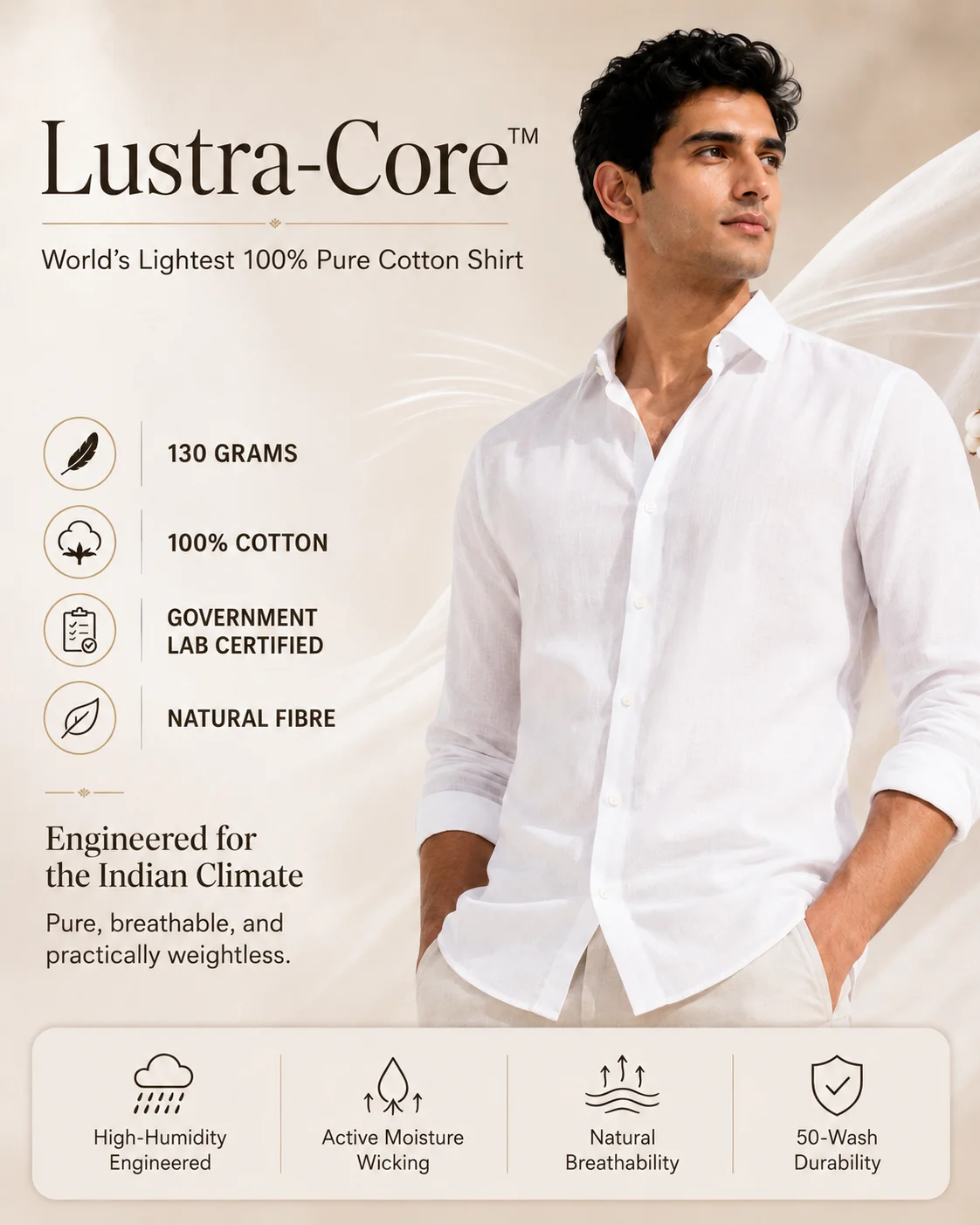
Lustra-Core™ Absolute White
Ultra-light pure cotton shirt engineered for Indian summers.
Sun-Dried Linen vs. Machine Drying: What’s Best for Your Wardrobe?
Machine drying linen is convenient but comes at a cost. The heat and agitation from tumble dryers can cause shrinkage, fraying, or brittleness, shortening the lifespan of the fabric. Sun-drying, conversely, locks moisture out gradually, preserving the fabric’s moisture-wicking properties. In India’s tropical climate, where humidity levels are high, natural airflow during sun-drying also acts as a deodorizer, eliminating bacteria without chemicals. For delicate items like Pehanoge linen shirts or breezy kurtas, air-drying post-wash ensures they retain their softness and drape. If urgency strikes, consider a hybrid approach: hang garments in sunlight for a few hours before finishing them off indoors.
FAQs
#### Does sun‑drying linen cause any damage to the fibers?
Not if done correctly. Prolonged exposure to direct sunlight can lead to minor fading, but the UV rays also strengthen linen’s natural fibers over time. Avoid leaving garments in waterlogged piles, as excess moisture combined with sunlight can hasten fiber degradation.
#### How long should I expose my linen to sunlight for optimal results?
1–2 hours of midday sun in dry weather is ideal for both bleaching and sanitizing. In monsoon humidity, extend the time to avoid dampness, ideally rotating garments to ensure even exposure.
#### Can sun‑drying replace chemical bleaching for natural linen?
Yes, for those seeking a chemical-free approach. While sun-drying won’t achieve stark whiteness, it softens and lightens linen naturally, aligning with sustainable practices. Pair this with mild saltwater soaks for a DIY fabric brightener.
#### Does sun‑drying improve the UV protective qualities of linen?
To a degree. Sun-drying enhances linen’s natural UV resistance by setting the fibers’ structure. However, its inherent UV protection remains stable even without this process, making it a superior choice for hot climates.
In India, where linen has long been woven into daily life—from dhoti to sarees—sun-drying is more than a laundry hack. It’s a nod to tradition, a sustainable ritual that harmonizes with the country’s climate. So the next time you air out a Pehanoge linen shirt or a simple kurta on a sunny terrace, remember: you’re not just caring for fabric. You’re embracing a centuries-old practice that breathes new life into every weave.