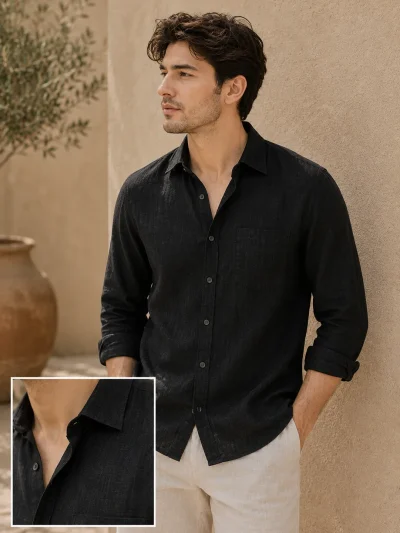
When Indian men plan their summer getaways, whether it’s a beach vacation in Goa or a hill station retreat in Manali, fabric choice becomes crucial for staying comfortable in the heat. Linen and viscose have emerged as two strong contenders for resort wear, but understanding their differences can make or break your vacation wardrobe. While both fabrics promise breathability and style, they cater to different needs and preferences, especially when you’re looking beyond the typical Pehanoge shirts and casual wear scenario back home.
Linen vs Viscose: The Ultimate Resort Wear Showdown
Linen, made from flax plant fibers, has been a summer staple for centuries. Its natural texture and relaxed drape make it perfect for vacation clothing. Viscose, on the other hand, is a semi-synthetic fiber made from wood pulp, offering a silk-like feel at a more accessible price point. When shopping for resort wear, you’ll notice linen pieces tend to have that characteristic textured appearance, while viscose offers a smoother finish. Both fabrics work beautifully for different vacation scenarios.
Recommended for You
-

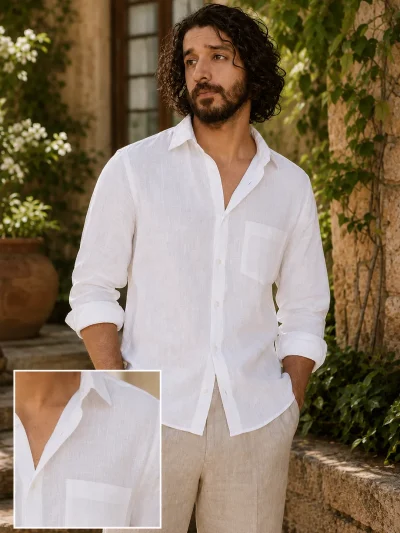
Oxy-Linen™ | Pure White – 60 Lea European Linen Shirt
Original price was: ₹4,999.₹3,399Current price is: ₹3,399. Select options -
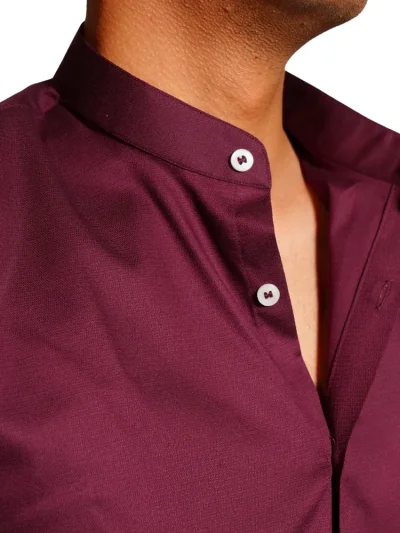
Essentials | WINE Enriched Cotton MANDARIN Coller Shirt
Original price was: ₹1,499.₹999Current price is: ₹999. Select options -
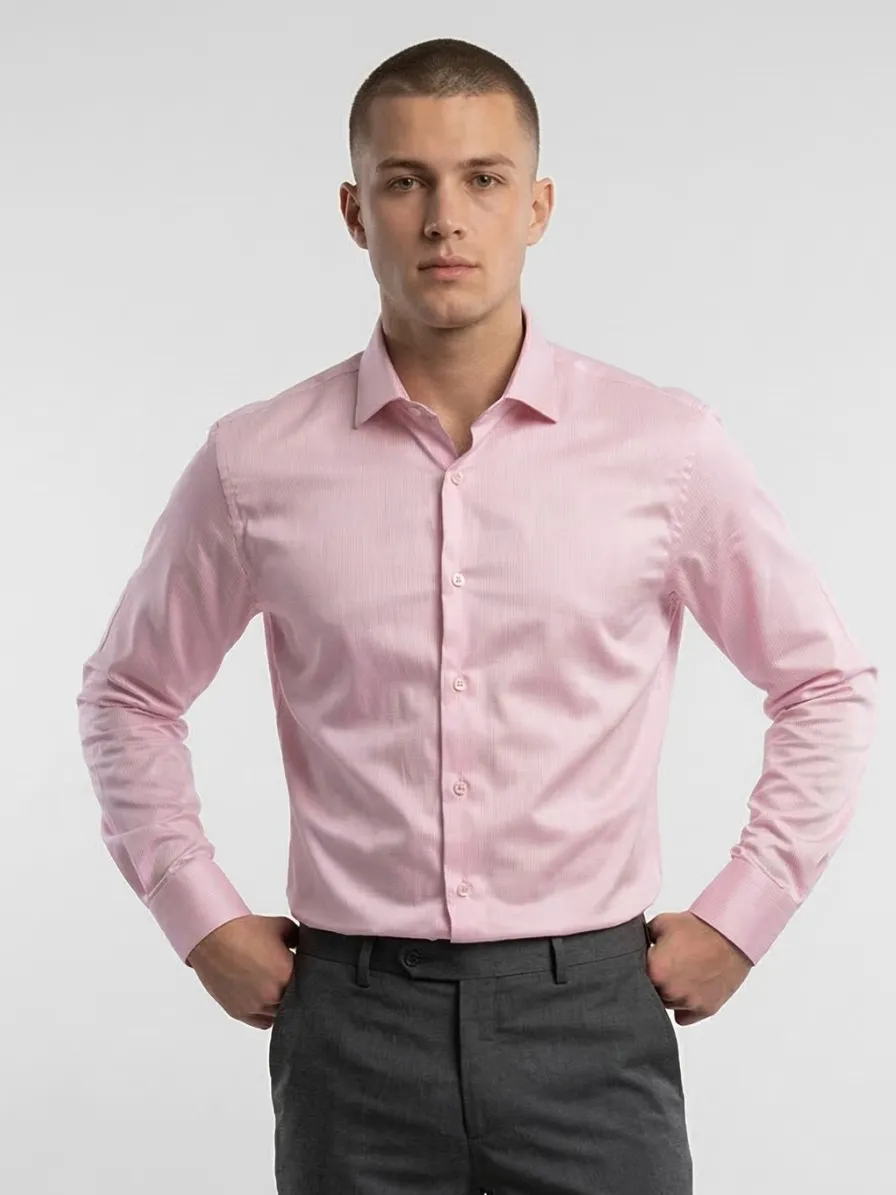
Giza-Silk | Blossom Pink Long-Staple Giza Cotton Shirt
Original price was: ₹1,499.₹1,199Current price is: ₹1,199. Select options



Breathability Test: Linen vs Viscose for Vacation Clothes
In terms of pure breathability, linen takes the crown. The natural fiber structure allows maximum air circulation, making it ideal for extremely hot climates like Rajasthan or coastal areas where humidity levels soar. Linen actually becomes stronger when wet, which means your beachside adventures won’t leave you worrying about fabric damage. Viscose, while breathable, doesn’t match linen’s superior moisture-wicking properties. However, viscose does offer better shape retention throughout the day, which many travelers prefer for longer excursions.
Natural Fiber vs Semi‑Synthetic: Style & Comfort
The natural versus semi-synthetic debate extends beyond just comfort. Linen’s organic origins align with the growing preference for sustainable fashion among Indian consumers. The fabric’s tendency to develop a beautiful lived-in look adds character to your resort wardrobe over time. Viscose, being machine-made, offers consistent quality and comes in a wider range of finishes and textures. For styling purposes, linen works excellently for relaxed beach covers and casual Pehanoge shirts, while viscose drapes beautifully in more structured resort wear pieces.

Lustra-Core™ Absolute White
Ultra-light pure cotton shirt engineered for Indian summers.
Resort Style Secrets: Choosing the Right Fabric
For Indian travelers, the choice often depends on the destination and planned activities. Linen excels for beach destinations where maximum breathability is essential. Think loose linen shirts paired with cotton shorts for those Goa beach walks. Viscose works better for resort evenings or when you need attire that maintains its appearance throughout formal dinner settings. Layering linen over viscose tank tops creates interesting textural contrast, while color pairing remains versatile with both fabrics accepting various dye types well.
Care & Longevity: Maintaining Linen and Viscose
Proper care significantly impacts the lifespan of your resort wear investments. Linen requires minimal maintenance but does wrinkle easily – something to consider when packing. Viscose needs gentler handling and should be washed in cold water to prevent shrinkage. Both fabrics benefit from proper storage during travel, ideally rolled rather than folded to minimize creases. Understanding these care requirements helps when making purchasing decisions based on your travel lifestyle and maintenance preferences.
FAQs
Is linen more breathable than viscose for hot climates?
Yes, linen’s natural fiber structure provides superior breathability compared to viscose. The hollow fibers in linen allow for better air circulation, making it the preferred choice for extremely hot and humid conditions typically experienced during Indian summers.
Can viscose be as durable as linen for everyday resort wear?
While viscose offers good durability for moderate use, linen generally outlasts viscose in everyday resort wear scenarios. Linen’s strength increases when wet and it’s less prone to pilling, making it more suitable for frequent vacation use involving beach activities and sun exposure.
What are the environmental impacts of choosing linen versus viscose?
Linen has a lower environmental impact overall. Flax plants require minimal water and pesticides, and the production process uses less energy compared to viscose manufacturing, which involves chemical processing and bleaching agents that can be harmful to the environment.
How do I prevent wrinkling in linen and viscose vacation garments?
For linen, embrace the natural wrinkles as part of its charm, or hang garments in the bathroom during hot showers to steam out creases. Viscose requires immediate hanging after washing and should be stored properly during travel. Both benefit from travel steamers or wrinkle-release sprays when hotel ironing isn’t available.