



Linen’s secret lies in its hidden hollow fibres, a natural architecture that turns a simple shirt into a breathable oasis. These microscopic channels allow air to circulate freely, wicking moisture away from the skin and creating a cooling whisper even on the hottest days. For the modern man, this means everyday comfort without sacrificing style—a fabric that works as hard as you do, keeping you fresh from morning meetings to evening strolls.
How Hollow Fibres Shape Linen’s Ventilation Mechanics
The magic begins at the fibre level. Linen is made from the flax plant, and each strand is naturally tubular, forming a series of tiny hollow cores. This structure acts like a miniature ventilation system: as your body heat rises, warm air escapes through the fibres, drawing in cooler air from outside. The result is a continuous airflow that prevents the clammy buildup common in synthetic materials. Moreover, these hollows absorb and release moisture rapidly, ensuring that sweat evaporates quickly rather than clinging to your skin. It’s a passive, energy‑free cooling mechanism that has evolved over millennia, making linen one of the most breathable textiles known to man.
Recommended for You
-

Noble Stitch | The Classic Cycle Giza Cotton Shirt
Original price was: ₹1,999.₹1,599Current price is: ₹1,599. -
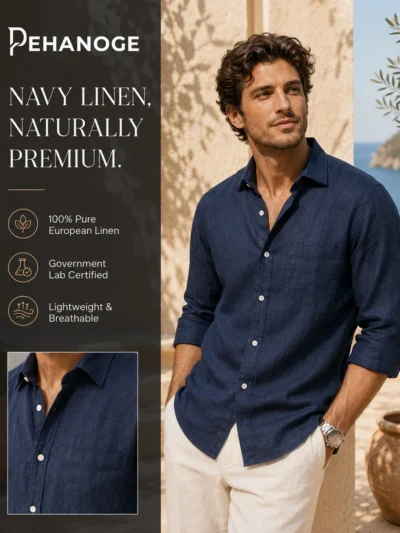
Oxy-Linen™ | Navy Blue – 60 Lea European Linen Shirt
Original price was: ₹4,999.₹3,399Current price is: ₹3,399. -

Oxy-Linen™ | Wine Red – 60 Lea European Linen Shirt
Original price was: ₹4,999.₹3,399Current price is: ₹3,399.
Thermal Equilibrium: The Science of Linen Thermoregulation in Motion
Linen’s ability to maintain thermal equilibrium is not just about static airflow; it’s a dynamic process that responds to your activity level. When you’re on the move, your muscles generate heat, and your body sweats to cool down. Linen’s hollow fibres excel at moisture management, pulling sweat away from the skin and dispersing it across the fabric’s surface where it can evaporate. This evaporative cooling effect lowers your skin temperature, creating a personal microclimate that feels several degrees cooler. Additionally, linen’s natural crimp and slight stiffness create micro‑gaps between the shirt and your body, enhancing breathability. Whether you’re navigating a bustling Indian market or hiking a rugged trail, linen adapts, keeping you comfortable without the need for constant adjustment.
From Fabric to Fashion: Comfort-Centric Linen Shirt Designs
Understanding the science is one thing; translating it into fashion is another. Modern designers are harnessing linen’s inherent properties to create shirts that are as stylish as they are functional. The key is to work with the fabric’s natural texture rather than against it. Loose, unstructured cuts allow the fibres to move freely, maximising airflow. Features like vented backs, roll‑up sleeves, and breathable collars further enhance ventilation. At the same time, tailoring details such as reinforced seams and quality stitching ensure durability. Brands like Pehanoge have embraced this philosophy, offering casual linen shirts that combine relaxed silhouettes with refined finishing touches—perfect for the man who values both comfort and appearance.
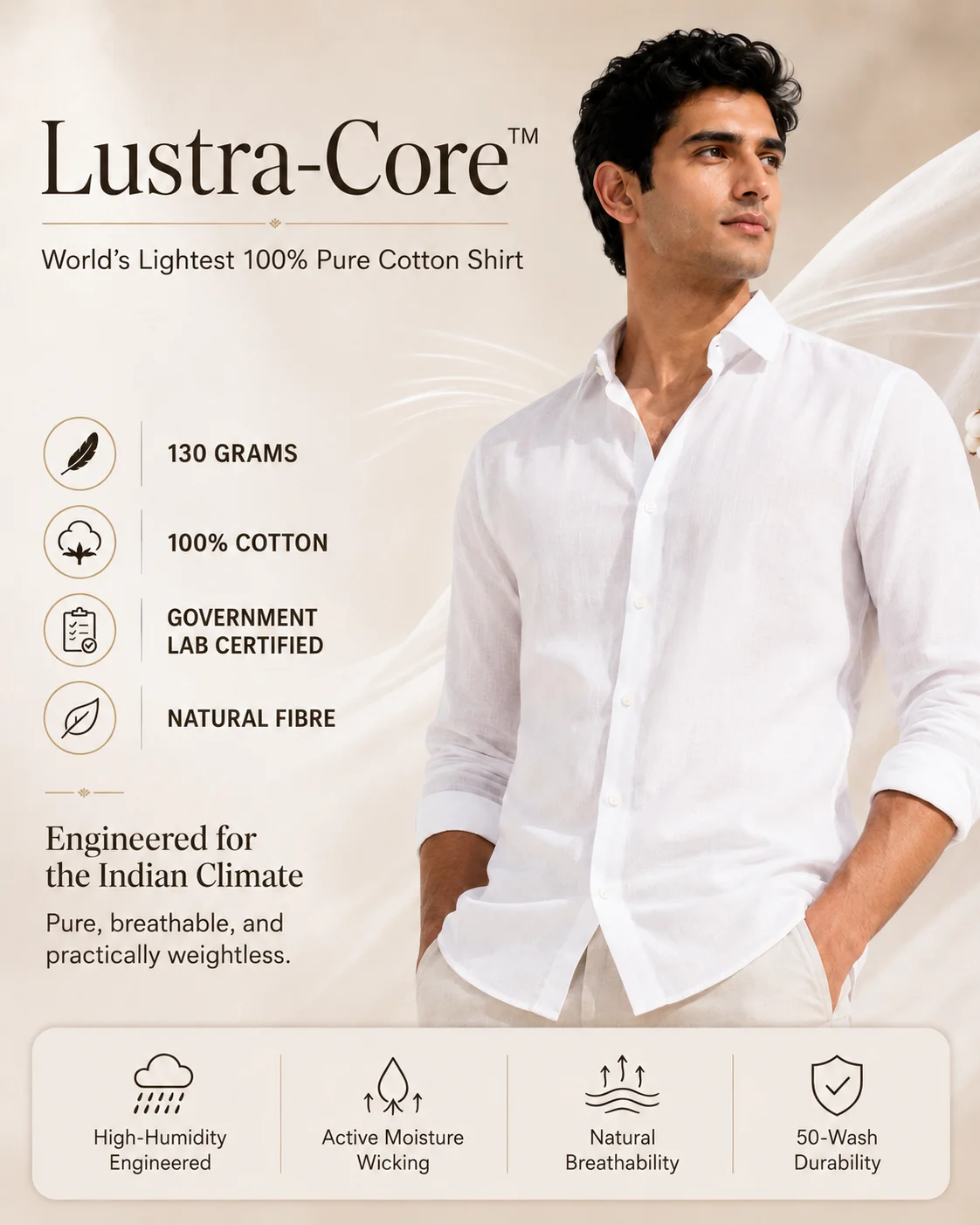
Lustra-Core™ Absolute White
Ultra-light pure cotton shirt engineered for Indian summers.
Sweat, Wind, and Style: Mastering Heat-Regulating Textiles for Outdoor Adventures
For the outdoor enthusiast, linen is a trusted companion. Its heat‑regulating properties shine in diverse environments, from dry, scorching plains to humid coastal breezes. The fabric’s ability to wick moisture and dry quickly makes it ideal for activities like trekking, cycling, or beach outings. Moreover, linen provides a natural UV barrier, protecting your skin from harsh sun rays. When the wind picks up, the airy weave prevents the chill that often accompanies sweaty skin, maintaining a pleasant body temperature. To make the most of linen outdoors, opt for lighter colours that reflect sunlight and consider layering with a breathable jacket for added versatility. With the right design, a linen shirt becomes an essential piece of gear for any adventure.
Styling Your Linen Shirt: Effortless Looks for the Modern Man
Linen’s versatility extends far beyond the trail. For a beach‑ready vibe, pair your linen shirt with lightweight chinos and a classic boat‑hat; the relaxed fit and natural texture exude effortless cool. In summer business settings, layer the shirt under an unlined blazer—choose neutral hues for a subtle contrast or muted earth tones to highlight the fabric’s organic feel. Keep the collar relaxed, cuff the sleeves just right, and roll them up for a laid‑back yet sharp silhouette that showcases linen’s airy qualities. Whether you’re dressing up or down, the key is to let the fabric breathe, both literally and stylistically. Pehanoge’s collection offers a range of colours and fits, making it easy to find the perfect linen shirt for any occasion.
Buying Guide: What to Look for in a Quality Linen Shirt
Not all linen shirts are created equal. To ensure you’re getting the best in breathability and durability, pay attention to weave tightness, fibre count, and the freshness of the hollow core. Look for labels that specify a triple‑sized, Flemish weave or hand‑loomed origins—these techniques produce a more open yet strong fabric that maximises airflow. Check the moisture‑wicking rating; a higher rating indicates better sweat management. Also, consider the degree of natural shrinkage—pre‑shrunk linen will maintain its shape after washing. Finally, prioritise certifications such as Oeko‑Tex® and GOTS, which guarantee that the dyeing process preserves the fibres’ cooling effect and ensures environmental responsibility. Investing in a well‑crafted linen shirt means enjoying its benefits for years to come.
Linen in India: A Climate-Friendly Classic
India’s diverse climate, from the arid heat of Rajasthan to the muggy coasts of Kerala, makes linen an invaluable wardrobe staple. Indian artisans have long recognised the fabric’s potential, reviving colonial‑era serge techniques and infusing them with contemporary flair. Today, you’ll find linen shirts featuring local hand‑block prints, intricate embroidery, and region‑specific tailoring that enhance airflow while celebrating cultural heritage. In monsoon‑prone areas, linen’s quick‑dry nature is a blessing, while in dry summers its cooling effect is unmatched. By choosing linen, Indian men not only stay comfortable but also support sustainable practices and traditional crafts. Brands like Pehanoge are at the forefront, blending modern design with age‑old techniques to create pieces that resonate with the Indian sensibility.
FAQs
What makes hollow fibres in linen so effective at heat regulation?
The hollow core of linen fibres creates tiny air channels that facilitate continuous airflow. This structure allows heat to escape and cooler air to enter, while also wicking moisture away from the skin. The result is a natural cooling effect that keeps the body comfortable without any external energy source.
How does linen compare to other breathable fabrics like bamboo or cotton when it comes to cooling?
Linen outperforms both bamboo and cotton in terms of breathability and moisture management. While bamboo is soft and has some wicking ability, linen’s hollow fibres provide superior airflow and faster drying. Cotton, though comfortable, tends to retain moisture, making it feel heavier and less cooling in hot, humid conditions. Linen’s unique structure gives it an edge in maintaining a consistently cool feel.
Can I wash a linen shirt frequently without losing its natural AC properties?
Yes, frequent washing does not strip linen of its cooling abilities. In fact, linen becomes softer and more comfortable with each wash. However, to preserve the integrity of the hollow fibres, use a gentle cycle, mild detergent, and avoid high heat when drying. Air‑drying is ideal to maintain the fabric’s structure and longevity.
What are the best care practices to keep the hollow structure of linen intact?
To protect the hollow fibres, wash linen in cold or lukewarm water with a mild, eco‑friendly detergent. Avoid bleach and fabric softeners, as they can coat the fibres and reduce breathability. When drying, opt for a low‑heat tumble dry or, better yet, line‑dry in the shade. Iron while the fabric is slightly damp to smooth out wrinkles without damaging the fibres. Proper storage—hanging rather than folding—also helps maintain the shirt’s shape and airflow.