


The Indian summer can feelrelentless, and the temptation to reach for the cheapest linen top on the rack is understandable. Yet the conversation around summer staples has shifted dramatically. Where once a lightweight shirt was judged solely by its price tag, now discerning men are asking how a garment feels against the skin, how it ages with repeated washes, and what story it tells about the craft behind it. This shift isn’t about snobbery; it’s about recognizing that a well‑made linen piece can outlast a season of trends, offering comfort that deepens rather than fades.
The Hidden Cost of Speed: Fast Fashion vs Slow Fashion in Linen Production
Fast‑fashion brands chase volume, often sourcing linen that is heavily processed to cut costs. The result is a fabric that may look breezy on the mannequin but lacks the structural integrity of responsibly sourced fibre. In India, where traditional handloom weavers have long championed slow, intentional production, the contrast is stark. A slow‑crafted linen shirt carries the imprint of deliberate retting, careful dyeing, and artisanal finishing—steps that preserve the fibre’s natural breathability and strength.
Recommended for You
-

Noble Stitch | Royal Feather Giza Cotton Shirt
Original price was: ₹1,999.₹1,599Current price is: ₹1,599. -
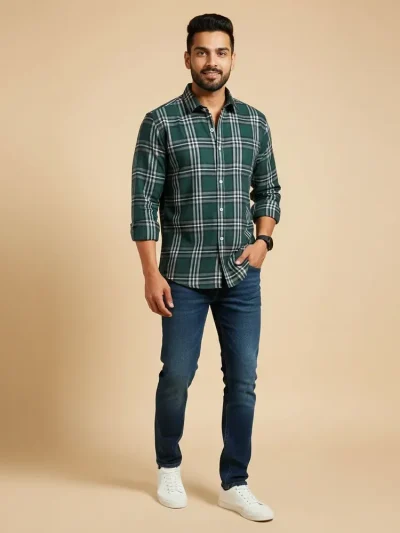
RUGGED-NAP | GREEN CHECKED SHIRT
Original price was: ₹1,499.₹1,299Current price is: ₹1,299. -
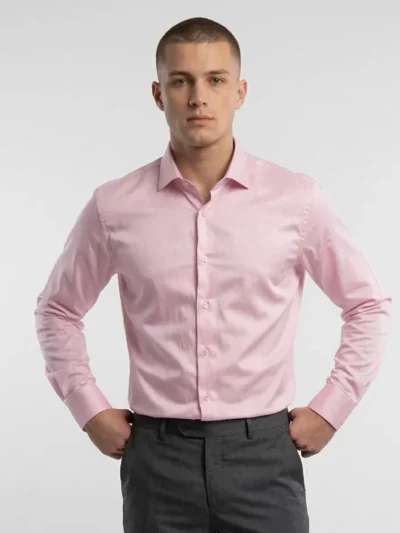
Giza-Silk | Blossom Pink Long-Staple Giza Cotton Shirt
Original price was: ₹1,499.₹1,199Current price is: ₹1,199.
Deconstructing the Itch: Why Mass‑Produced Linen Lacks Softness
If you’ve ever found a cheap linen shirt turning into an uncomfortable, itchy layer after a few hours, the culprit is usually the finishing process. Industrial mills often apply harsh chemical softeners that mask the fibre’s raw texture, only to have the effect wear off after a couple of washes. In contrast, garments made from hand‑spun, long‑staple linen retain a natural, gentle softness that improves with each wash. The difference is not merely tactile; it’s a reflection of the fibres’ origin and the care taken during manufacturing. – Mass‑produced linen: chemically softened, short‑staple fibres, synthetic blends.
- Slow‑crafted linen: natural retting, hand‑loomed or slow‑rotate looms, untreated finishes.
The Lifecycle Gap: How Sustainable Textiles Outlast Trend‑Driven Blends
A fast‑fashion “drop” is designed to be worn a handful of times before being discarded. Sustainable linen, however, is built for a longer narrative. Its dense weave and resilient fibre mean it can survive years of summer heat, monsoon humidity, and repeated laundering without losing shape or colour. When you invest in a piece that ages gracefully, you’re also reducing the environmental toll of constant churn—fewer garments, fewer resources, and a smaller waste footprint.
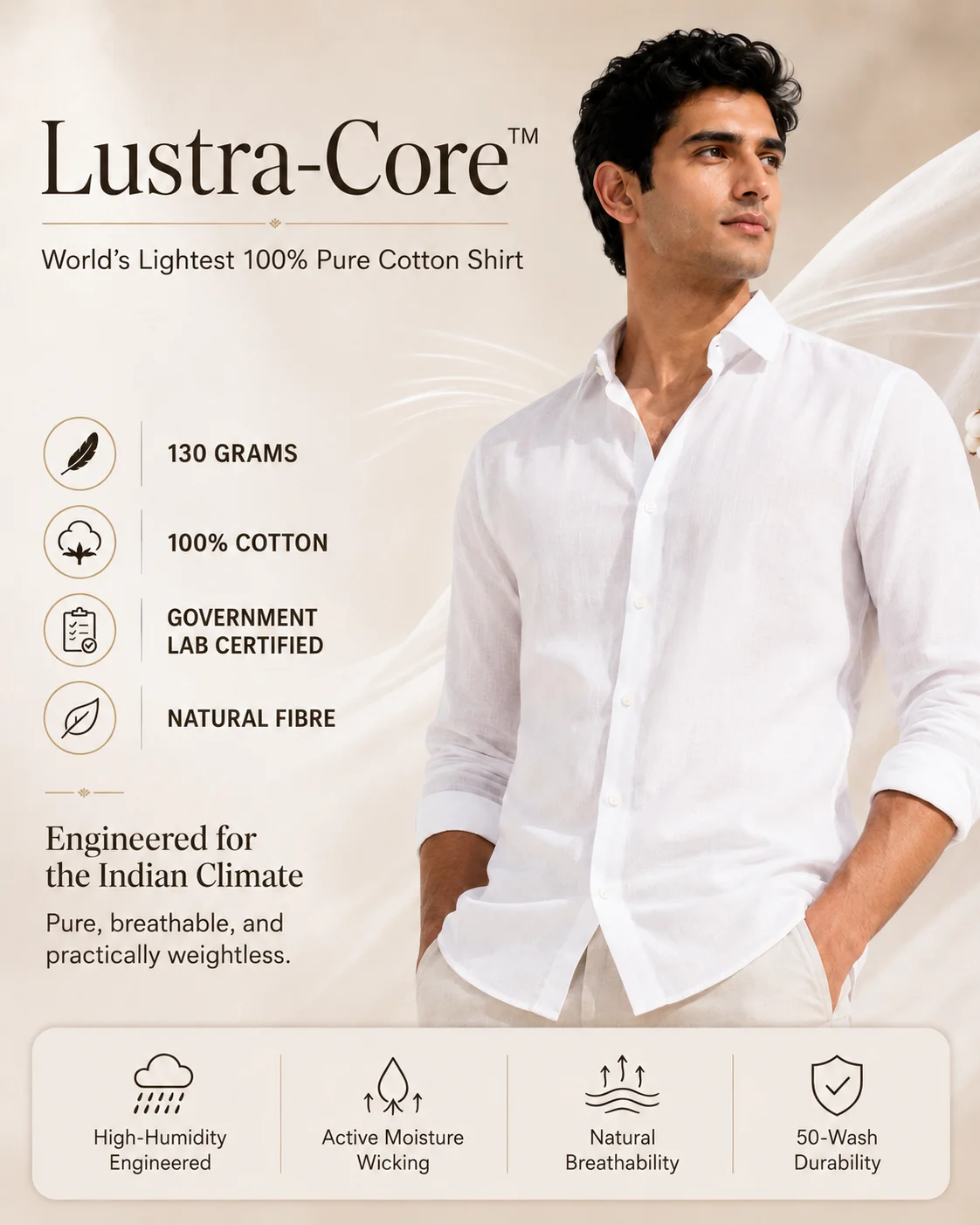
Lustra-Core™ Absolute White
Ultra-light pure cotton shirt engineered for Indian summers.
Chemical Processing vs. Traditional Retting: Impact on Fiber Strength
Traditional retting—soaking linen in water or dew to separate the fibre from the stalk—preserves the integrity of the cellulose strands. Modern shortcuts replace this gentle process with chemical treatments that break down the fibre more aggressively, yielding a weaker yarn that feels rougher over time. For those who value durability, the choice of processing is as critical as the choice of cut.
The Timeless Capsule: One Shirt, Four Seasons
Imagine a single high‑quality linen shirt that transitions effortlessly from a humid monsoon afternoon to a crisp winter evening. Its breathable weave keeps you cool when temperatures soar, while its natural fibre retains heat when layered under a lightweight jacket. Style it with chinos for a relaxed weekend brunch, pair it with tailored trousers for a casual office look, or throw on a denim jacket for an evening stroll. Because the fabric does not cling or wrinkle excessively, it adapts to countless contexts without losing its elegance. This versatility stands in sharp contrast to the disposable “drop” mentality, where a garment is retired as soon as the next trend arrives. Even a brand like Pehanoge, known for its relaxed yet refined aesthetic, can showcase how a single well‑crafted linen shirt can become a cornerstone of everyday casual wear.
Buying Guide: The Touch and Tension Test
When shopping for linen, a quick tactile assessment can save you from regret. Hold the fabric between thumb and forefinger; genuine long‑staple linen will feel crisp yet supple, with a subtle resistance that yields to gentle pressure. Look for a tight, even weave—if the material feels flimsy or overly smooth, it may be blended with synthetics. Additionally, examine the label for terms like “100 % linen” or “handloom,” and be wary of exaggerated claims about “anti‑wrinkle” or “quick‑dry” features that often hide polyester blends. ## Indian Context: Handloom Linen and Khadi Legacy
India’s textile heritage offers a natural antidote to the global flood of cheap imports. Handloom linen and Khadi, woven on traditional looms across villages in West Bengal, Gujarat, and Tamil Nadu, embody a sustainability ethos that aligns with local climate needs. These fabrics are breathable, absorbent, and resilient—qualities that make them ideal for the scorching Indian summer and the humid monsoon alike. By supporting local artisans, you not only obtain a garment of superior quality but also preserve centuries‑old techniques that prioritize craftsmanship over mass production.
FAQs
Does expensive linen stop being itchy after a few washes?
Yes. High‑quality linen softens naturally with each wash, especially when it is untreated with harsh chemicals. The fibre’s inherent smoothness reduces itchiness, and the fabric often becomes more comfortable over time.
How can I tell if a garment is pure linen or a polyester blend? Perform the touch‑and‑tension test: pure linen feels crisp, slightly textured, and resists easy stretching. Check the care label for “100 % linen” or “handloom,” and feel for a subtle natural sheen rather than a plastic‑like gloss.
Why is sustainable linen more expensive than high‑street alternatives?
The cost reflects slower, eco‑friendly production methods—such as traditional retting, hand‑looming, and natural dyeing—as well as smaller batch sizes and fair wages for artisans. These factors increase the price but also ensure durability and lower environmental impact.
What are the best ways to store quality linen to ensure it lasts decades?
Store linen in a cool, dry place away from direct sunlight. Fold or roll it loosely to avoid creasing, and use breathable cotton bags rather than plastic. Occasional gentle brushing removes dust and maintains the fibre’s natural luster.