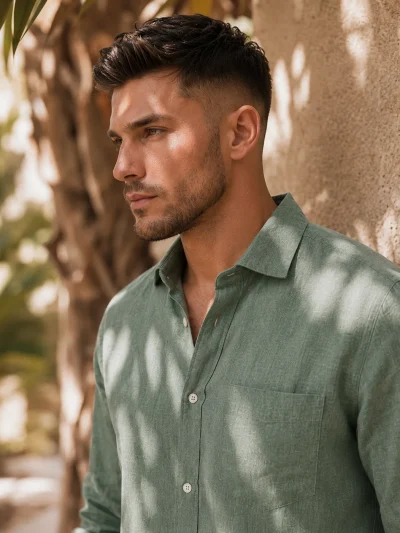
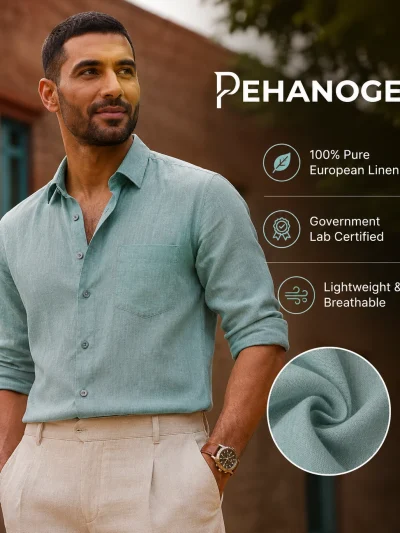
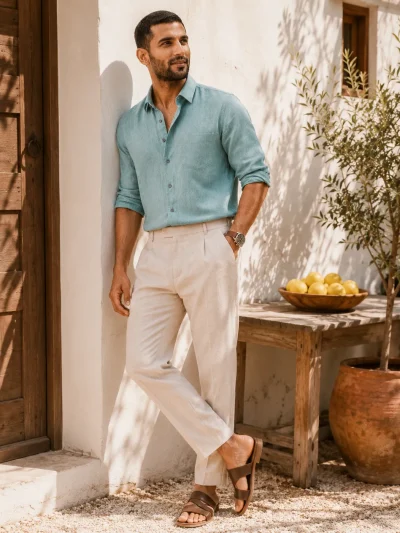
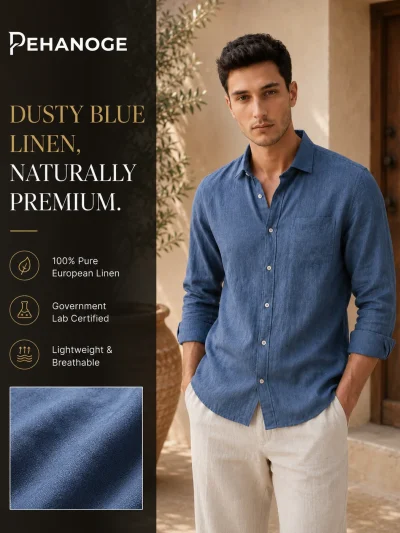
The story of linen begins far from the bustling streets of modern Mumbai, rooted in the sun‑baked fields of rural Europe where hardy peasants first spun the fibre from flax. Its natural strength, breathability and ability to wick moisture made it the go‑to material for workwear that had to endure long days in the fields, the workshop, or the modest homes of the time. Over centuries, this practical choice evolved into a cultural signature, shaping the simple silhouettes that still echo in today’s casual wardrobes, from the rugged Pehanoge shirts that hint at a heritage of durability to everyday linen‑blended tees that feel light on the skin.
Why Linen Dominated European Peasant Attire: A Historical Perspective
In the agrarian societies of France, Germany, and the British Isles, linen was the most abundant textile available. Flax grew readily in the temperate climate, and the fibre could be harvested, retted, and spun with relatively simple tools. Because linen could be dyed in muted earth tones or left natural, it blended seamlessly with the modest aesthetic of peasant life. Moreover, the fabric’s durability meant that garments could be washed and repaired repeatedly, a crucial factor when clothing was a significant portion of a family’s modest budget. The result was a uniform visual language of plain, loose‑fitting shirts, trousers, and aprons that communicated both practicality and cultural identity.
Recommended for You

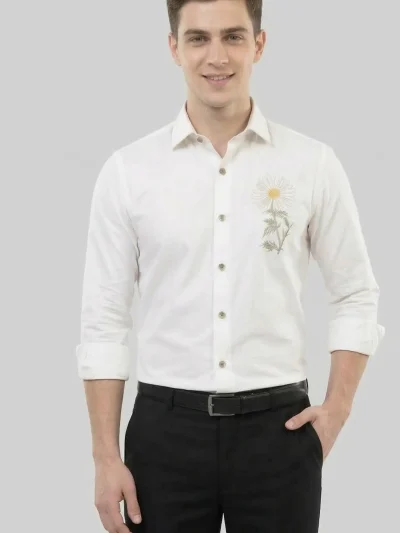
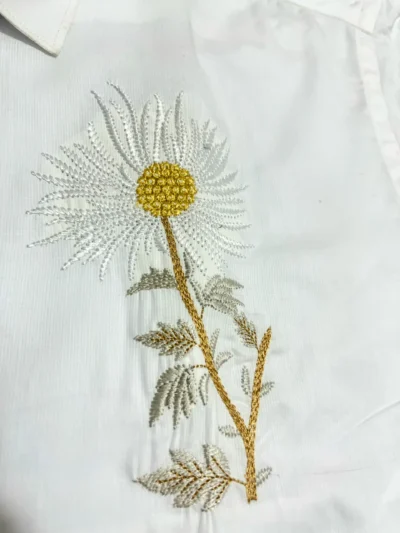
Noble Stitch | Golden Bloom Giza Cotton Shirt
Original price was: ₹1,999.₹1,599Current price is: ₹1,599. Select options-
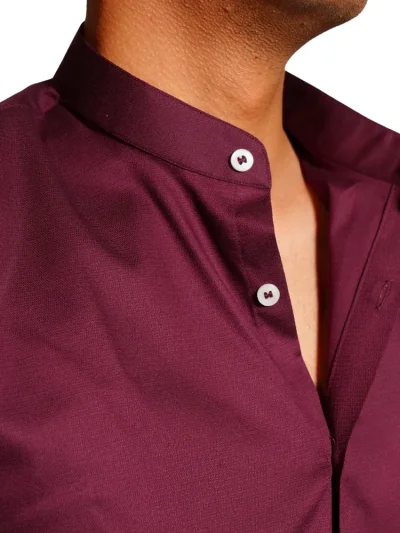
Essentials | WINE Enriched Cotton MANDARIN Coller Shirt
Original price was: ₹1,499.₹999Current price is: ₹999. Select options -
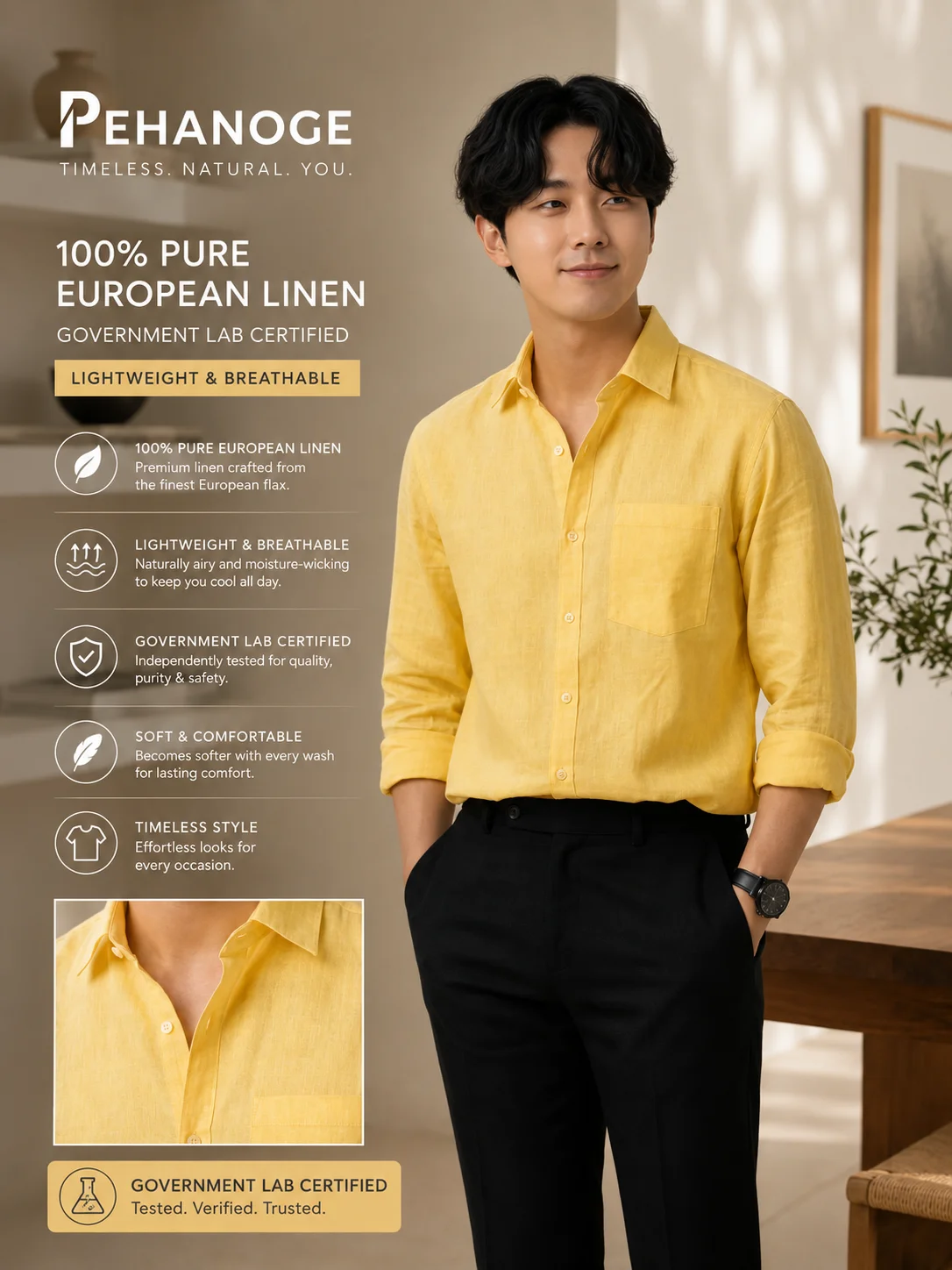
Oxy-Linen™ | Lemon Yellow – 60 Lea European Linen Shirt
Original price was: ₹4,999.₹3,399Current price is: ₹3,399. Select options


Linen Weaving Techniques: How Durable Linen Origins Fueled Utility Clothing
The durability of linen stems from its tight, longitudinal weave. Traditional hand‑loom techniques produced a plain weave with a high thread count, often reinforced by a selvedge edge that prevented fraying. Artisans would sometimes incorporate a twill or a subtle herringbone pattern to add strength without sacrificing flexibility. These weaving methods created a fabric that resisted wear, dried quickly after rain, and retained its shape even after repeated laundering. Such characteristics made linen ideal for work shirts, smocks, and the sturdy breeches that peasants wore while plowing fields or mending fences.
From Plow to Print: Linen’s Journey in Folk Fashion History
As European folk fashion evolved, linen migrated from pure utility to decorative expression. In the 18th and 19th centuries, embroidered linen cuffs, lace trims, and printed motifs began appearing on peasant shirts, turning functional garments into cultural artefacts. The same fibres that once protected a farmer’s skin now showcased regional motifs, signifying village affiliation and seasonal celebrations. This transition illustrates how the inherent qualities of linen—its texture, drape, and capacity for fine detailing—allowed it to bridge the gap between rugged workwear and the more ornamental aspects of folk attire.
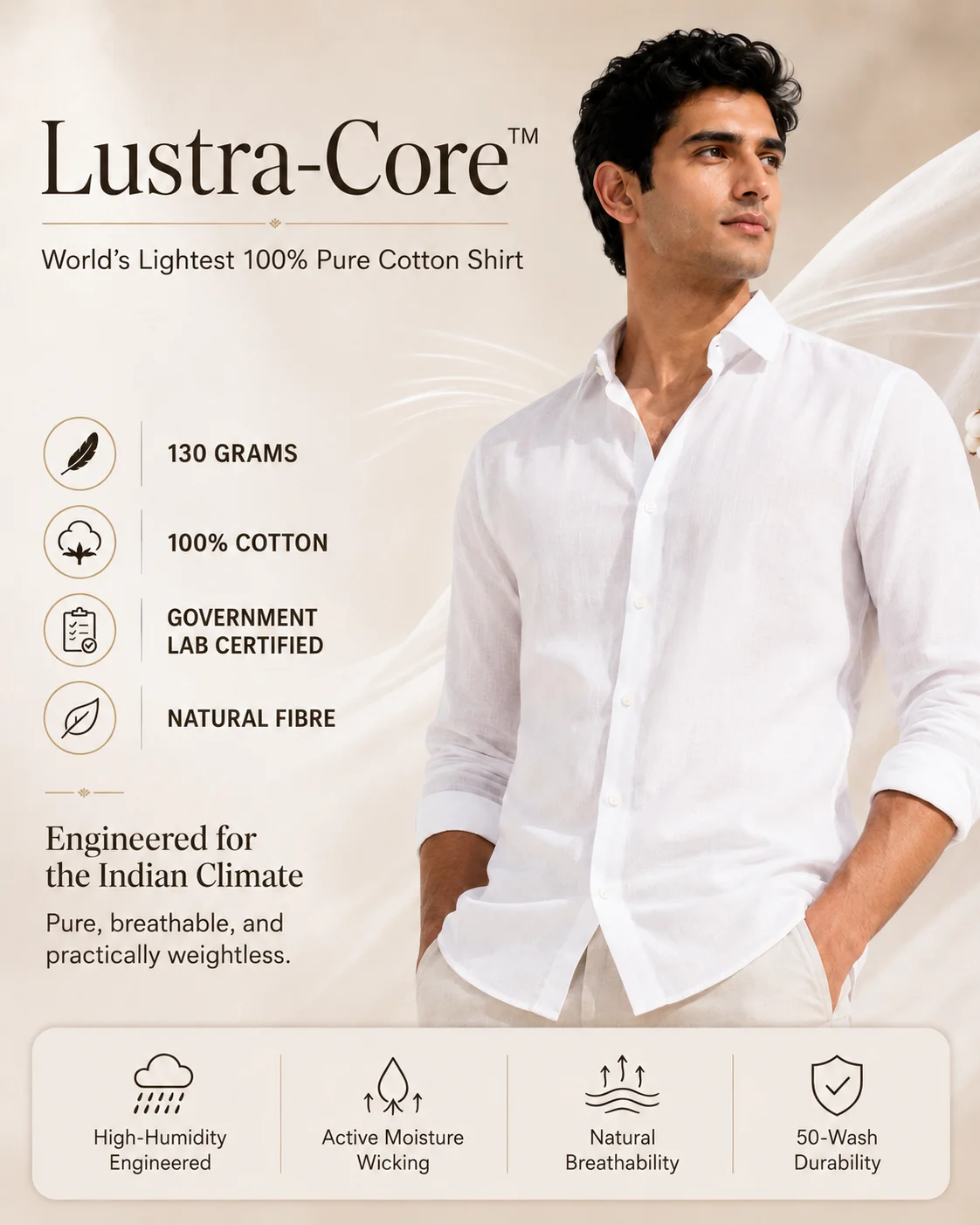
Lustra-Core™ Absolute White
Ultra-light pure cotton shirt engineered for Indian summers.
The Influence of Traditional Linen Sabbathes on Modern Workwear Design
The “linen sabbath” refers to the communal practice of washing and airing linen garments on Sundays, a ritual that preserved the fabric’s freshness and longevity. This tradition inspired contemporary designers to prioritize breathable, washable materials in modern workwear. Today, many brands resurrect the sabbath ethos by using unbleached, selvedge linen that can be laundered without losing its crispness, echoing the durability that made peasant clothing endure for generations. The resurgence is evident in the clean lines of current casual wear, where linen’s natural wrinkles are celebrated rather than concealed.
Embrace linen’s tactile authenticity by pairing raw‑edge garments with earthy accessories, mirroring preservation society archives.
- Choose shirts with unfinished hems that echo historic peasant stitching.
- Pair with leather belts, woven belts, or simple canvas shoes to reflect the utilitarian aesthetic.
- Opt for earth‑tone trousers or shorts that allow the fabric’s natural texture to shine.
- Layer with a lightweight linen jacket or a Pehanoge shirt for a look that feels both historic and contemporary.
When buying, prioritize selvedge weaves and unbleached fibers to honor rugged aesthetics, avoiding modern synthetic blends that dilute folk fashion history. Look for garments that feature a tight, even weave and a natural, slightly textured hand; these details signal the durability that once made linen the backbone of European peasant wardrobes.
Indian Context Angle
While European peasants relied on linen’s moisture‑wicking properties to stay comfortable across variable temperatures, Indian folk fashion history favoured khadi—a hand‑spun cotton that excelled in monsoon heat. Both fabrics share a commitment to breathability, yet linen’s cooler feel and rapid drying made it suited to the milder climates of Europe, whereas khadi’s looser weave better handled heavy rains. This contrast highlights how the same principle of natural fibre utility can manifest differently across regions, reinforcing linen’s versatile legacy in both European workwear and contemporary Indian casual wear.
FAQs
How did linen become synonymous with European peasant workwear?
Linen’s abundance, durability, and ability to wick moisture made it the most practical fibre for daily labour in rural Europe, where clothing needed to endure long hours of physical work and frequent washing.
What made durable linen distinct from other crowd fabrics?
Durable linen featured a tightly woven, often selvedge‑finished structure that resisted fraying and retained shape after repeated laundering, unlike coarser wool or loosely woven cotton that wore out more quickly.
Can I modernize folk fashion history using linen?
Yes; by selecting raw‑edge, selvedge linen pieces—such as Pehanoge shirts or minimalist casual trousers—you can reinterpret historic peasant silhouettes for today’s fashion while preserving the fabric’s authentic texture.
Are there ethical brands reviving traditional linen weaving?
Several artisanal cooperatives in Belgium, France, and India are reintroducing hand‑loom linen techniques, using sustainable flax cultivation and fair‑trade practices to keep the craft alive.