


Linen has long been celebratedfor its cool hand feel and breezy drape, making it a natural fit for India’s warm climate and vibrant wardrobe. Yet, as the fashion market swells, many pieces that claim to be linen are, in fact, clever imitations woven from synthetic fibers. When you reach for a shirt that looks crisp but feels oddly stiff, it may be a counterfeit masquerading as the real thing. Understanding the subtle differences helps you build a wardrobe that is both stylish and authentic, especially when you want to invest in pieces like Pehānoge shirts that blend tradition with contemporary cuts.
What Makes Linen-Look Fakes so Alluring?
The allure of linen‑look fakes lies in their visual similarity to genuine linen. The fabric often mimics the natural grain and subtle sheen that give linen its signature charm, and it can be priced lower, making it tempting for shoppers hunting deals. Additionally, modern dyeing techniques can reproduce the muted earth tones that Indian men love, from soft sand to muted indigo. However, these copies usually lack the breathability and natural texture that set real linen apart, which can lead to discomfort during long summer afternoons or outdoor gatherings.
Recommended for You
-

Giza-Silk | Ivory Cream Long-Staple Giza Cotton Shirt
Original price was: ₹1,499.₹1,199Current price is: ₹1,199. -
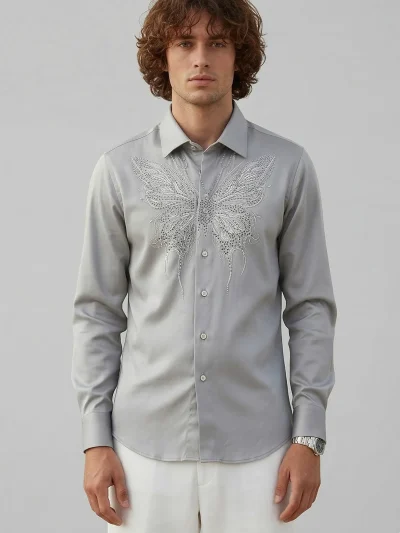
Noble Stitch | Silver Butterfly Giza Cotton Shirt
Original price was: ₹1,999.₹1,599Current price is: ₹1,599. -

Noble Stitch | Orbit Geometric Giza Cotton Shirt
Original price was: ₹1,999.₹1,599Current price is: ₹1,599.
The Science Behind Synthetic Stories: Polyester Blends
Many counterfeit linen pieces are crafted from polyester blends, sometimes mixed with cotton to soften the hand feel. Polyester fibers are engineered to retain shape and resist wrinkling, which can fool the untrained eye into believing the fabric is natural. Yet, polyester’s synthetic composition traps heat, making it less suitable for the Indian climate where airflow is essential. Spotting the difference often starts with a simple touch test; genuine linen feels slightly rough and textured, while polyester tends to glide smooth and uniform.
Beyond Appearance: How to Test Fabric Authenticity
Beyond look and feel, there are several practical ways to verify linen authenticity. Hold the fabric up to the light; real linen often shows subtle irregularities in the weave, whereas synthetic fabrics present a uniform pattern. A gentle stretch test can also reveal differences—linen will give a little and bounce back, while polyester may stretch more dramatically and retain the stretch. Smell is another clue; linen carries a faint, earthy scent when new, whereas synthetic blends may have a chemical odor. Finally, the burn test—if you have a small scrap—can differentiate: linen burns slowly with a paper‑like flame and leaves a fine, gray ash, while polyester melts and produces black smoke.
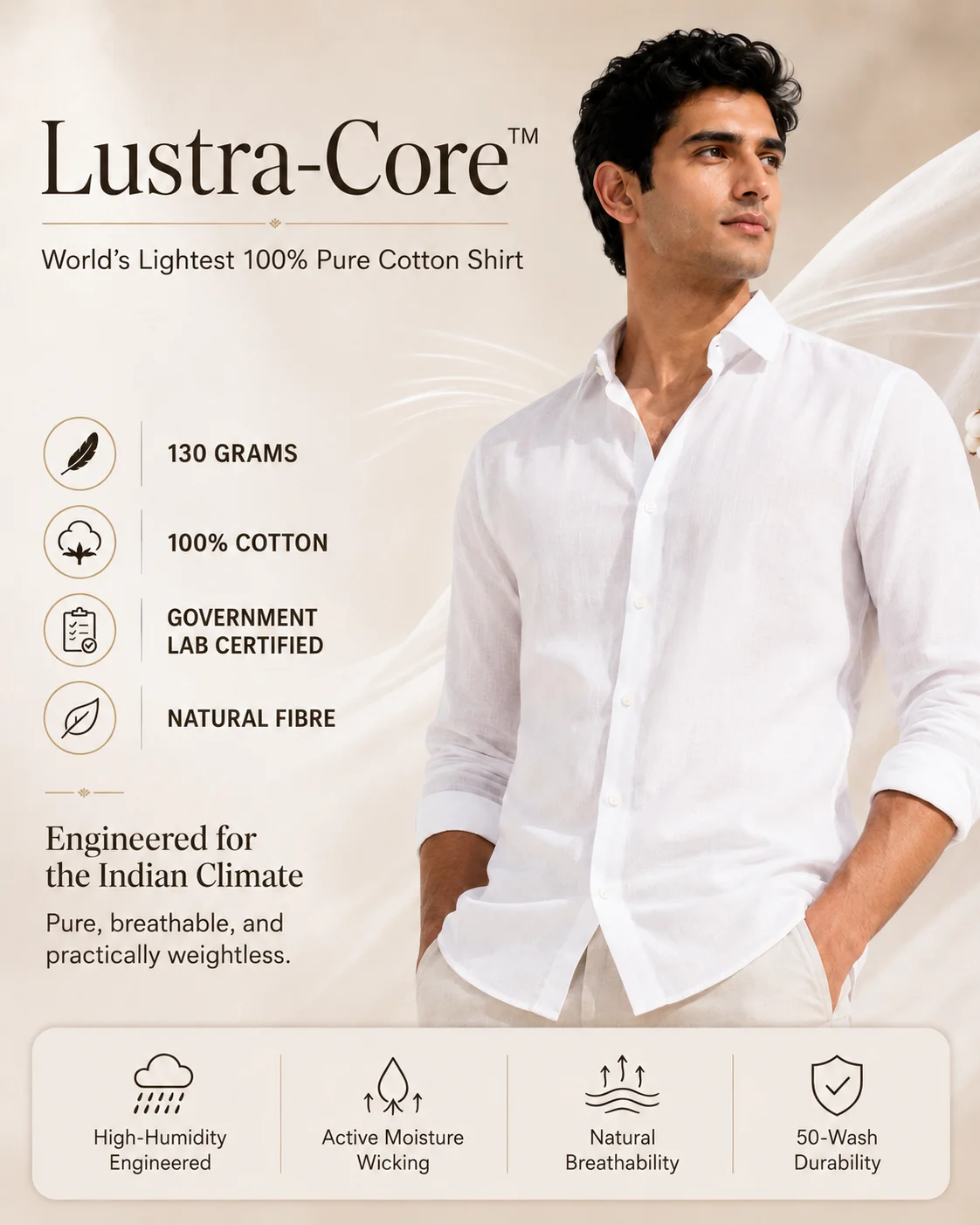
Lustra-Core™ Absolute White
Ultra-light pure cotton shirt engineered for Indian summers.
Styling tips for genuine linen wardrobes
Incorporating authentic linen into everyday Indian menswear doesn’t have to be complicated. Lightweight linen shirts pair effortlessly with slim-fit trousers for a smart‑casual look suitable for office meetings or weekend brunches. For a relaxed vibe, try a linen kurta with rolled‑up chinos; the blend of traditional and modern resonates well with younger audiences. Pehānoge shirts, known for their tailored silhouettes and subtle prints, shine when matched with breathable linen pants in muted hues. Layering a linen bomber jacket over a plain tee adds texture without overwhelming the outfit. Stick to pastel palettes and earth tones that reflect the Indian summer, and don’t shy away from mixing patterns—just keep the overall balance restrained.
What to look for when purchasing linen‑inspired clothes
When shopping, scrutinize the product details and price points. Genuine linen often commands a higher price due to the labor‑intensive weaving process, so be wary of unusually low discounts on items advertised as linen. Check the label for fiber content; terms like “100 % linen” or “linen‑cotton blend” are honest indicators, while vague descriptors such as “linen‑feel” usually signal a synthetic mix. Feel the fabric weight—real linen is typically medium‑light, draping fluidly without feeling flimsy. Finally, examine the stitching; authentic linen garments often feature clean, reinforced seams that withstand repeated washes.
Navigating linen trends in India: A guide to spotting quality fabric in local marketsIndia’s bustling markets—from the bustling lanes of Lajpat Nagar in Delhi to the textile hubs of Coimbatore—offer a treasure trove of linen garments. Vendors who specialize in traditional fabrics often display bolts of linen with visible weave patterns and natural color variations. Take the time to run your hand over the material; a genuine linen piece will feel slightly coarse at first, softening with each wash. Engage the seller in conversation about the origin of the fabric; knowledgeable merchants will gladly discuss the weaving technique and care instructions. In metropolitan malls, look for certified linen tags or certifications that guarantee authenticity. When buying online, read reviews that specifically mention fabric feel and durability.
FAQs#### What are the best ways to check if linen is real or synthetic?
Real linen feels slightly rough, shows uneven weave under light, and drapes naturally. Synthetic alternatives tend to be uniformly smooth, stretch more, and may lack the subtle texture variation that authentic linen displays.
How can fabric burn tests help in identifying linen blends?
When a small scrap is burned, linen produces a slow, paper‑like flame, leaves a fine gray ash, and emits a faint, earthy smell. Polyester melts, produces black smoke, and releases a chemical odor, making the burn test a reliable indicator of fiber composition.
Why should you pay attention to linen texture when buying?
Texture reveals the fabric’s origin; genuine linen’s natural grain and slight irregularities signal authentic weaving, while a uniformly smooth feel usually points to synthetic fibers. Texture also affects comfort, especially in India’s humid climate.
Are there reliable indicators in stores for authentic linen quality?
Yes. Look for clear fiber content labels stating “100 % linen,” examine the weave for subtle inconsistencies, and feel the weight—real linen is light yet substantial. Additionally, reputable sellers often provide care instructions that mention gentle washing, a hallmark of genuine linen care.