



The next time you slip on a breezy linen shirt or stride into a gathering in a crisp linen jacket, consider the quiet journey that thread took to reach your body. Linen, derived from the flax plant, is more than a fabric choice—it is a story woven through soil, sun, and skilled hands. For men’s fashion, especially in India’s varied climates, linen stands out not just for its breathability but for its roots in centuries-old agricultural traditions. From the fields of Gujarat to the looms of Tamil Nadu, the transformation of flax into linen is a blend of science and artistry.
The Soil and Climate that Cultivate Pure Flax: Why Origin Matters
Flax thrives in well-drained soils and temperate climates with moderate rainfall. In India, states like Gujarat, Rajasthan, and parts of Tamil Nadu have begun experimenting with flax cultivation, drawing from the plant’s natural resilience. The soil’s mineral content directly impacts the fiber’s strength and luster. Regions with alkaline soils, for instance, can produce flax with finer fibers, ideal for premium menswear. Understanding origin helps consumers trace quality and support ethical farming practices.
Recommended for You
-
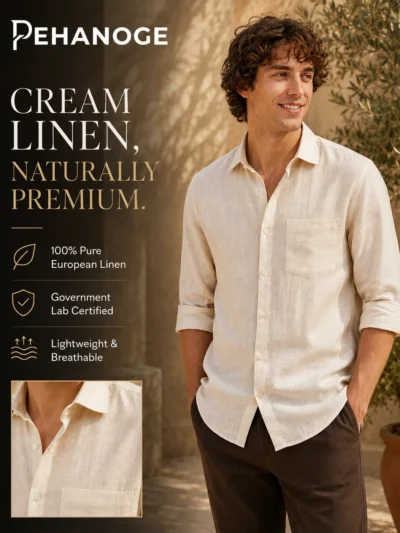
Oxy-Linen™ | Cream Linen – 60 Lea European Linen Shirt
Original price was: ₹4,999.₹3,399Current price is: ₹3,399. -

Essentials | RUST Enriched Cotton MANDARIN COLLER Shirt
Original price was: ₹1,499.₹999Current price is: ₹999. -

Noble Stitch | Royal Feather Giza Cotton Shirt
Original price was: ₹1,999.₹1,599Current price is: ₹1,599.
Linen Production Process—From Harvest to Fastening: Step‑by‑Step Mechanics
The process begins with harvesting mature flax plants, followed by retting—the natural breakdown of pectin in water or damp soil. This step separates the fiber from the stem. The dried stems are then broken, and the fibers are scoured and spun into yarn. Each stage demands precision; rushed retting weakens fibers, while over-scouring strips natural oils. Finally, the yarn is woven or knitted into fabric, ready for the next stage.
The Art of Bleaching and Finishing Natural Textiles: Quality Beats Quantity
Raw linen has a natural cream hue, but most commercial linen is bleached for a cleaner look. Traditional methods use sunlight or wood ash lye, while modern techniques may employ ozone or laser treatments. The finishing process adds texture—crinkled, smooth, or suiting-weight finishes. High-quality linen retains its breathability and drape post-finishing, whereas cheaper versions often feel stiff or synthetic.
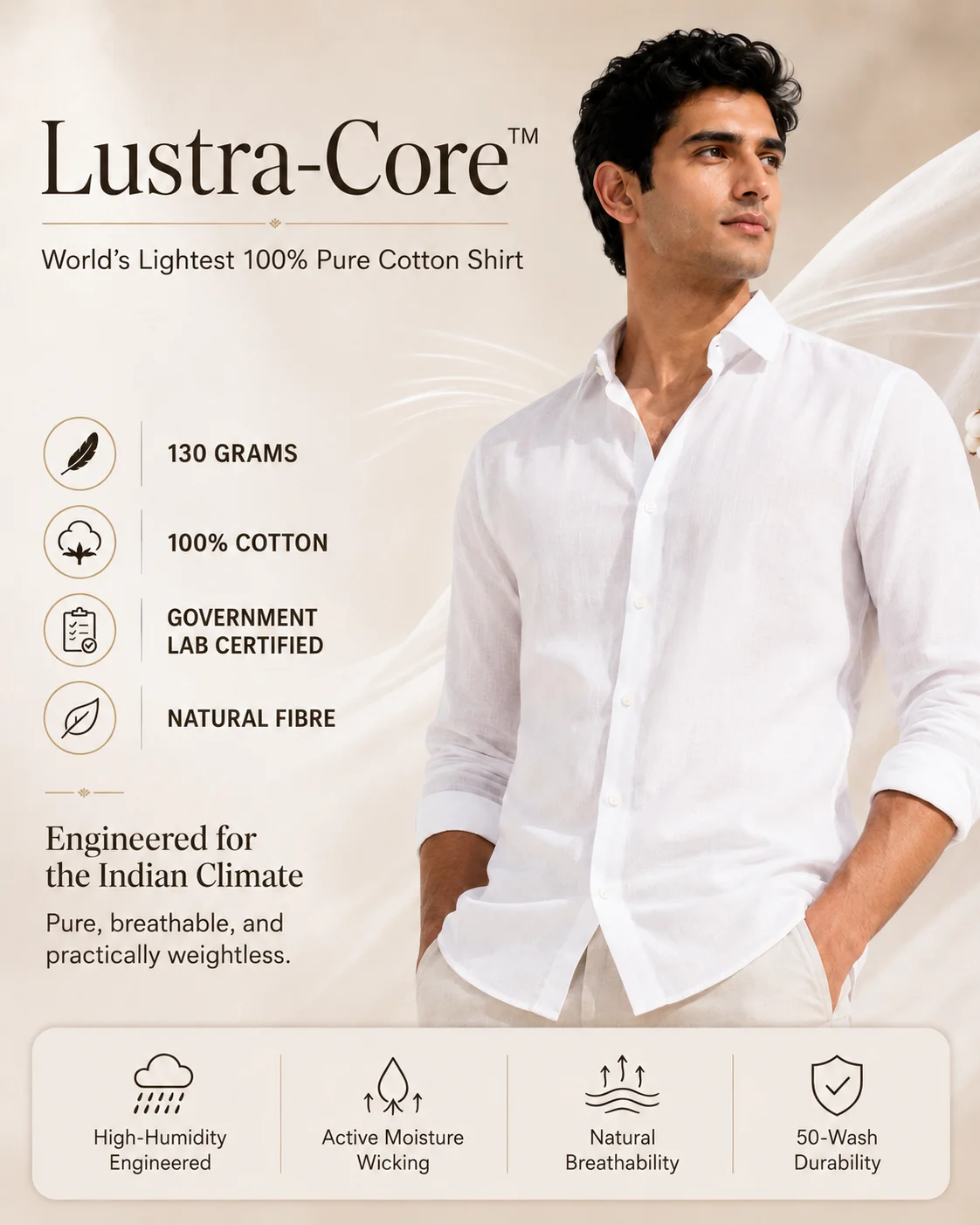
Lustra-Core™ Absolute White
Ultra-light pure cotton shirt engineered for Indian summers.
Sustainable Practices in Flax Farming: How the Modern Textile is Greening the Planet
Flax is inherently eco-friendly— it requires minimal water and pesticides. Crop rotation enriches soil, reducing fertilizer needs. Modern Indian initiatives partner with European linen boards to introduce sustainable practices like rain-fed cultivation and organic certification. Brands sourcing from these farms reduce carbon footprints and promote rural economies.
Styling linen well means balancing its relaxed vibe with structured silhouettes. A Pehanoge shirts number, with its relaxed fit and roll-up sleeves, pairs beautifully with slim-fit linen chinos or wide-leg trousers for a smart-casual look. Neutral tones like oatmeal, stone, and natural ivory form a versatile base; layer with bold accessories—a emerald-green pocket square or a burnt-orange stole—to add personality without overwhelming the look. Linen’s wrinkle-resistant modern finishes make it office-appropriate when paired with a tailored linen jacket.
When buying men’s linen, check for:
- Fiber purity: 100% linen labels or blend ratios clearly marked
- Weave density: Tighter weaves suggest durability
- Dye consistency: Even coloration signals professional treatment
- Care labels: Machine-washable options offer convenience without sacrificing quality
Avoid pieces labeled “linen look” or priced suspiciously low—these often use synthetic blends that lack breathability.
India’s relationship with flax predates colonial records. Historically, sisal (a harsher relative) was used for ropes, while finer linen finds mention in ancient texts. Today, artisanal brands like Dharavi Linens and Handloom Handcrafts revive traditional retting techniques in West Bengal and Gujarat, blending heritage with contemporary demand. While India may not yet be a major flax producer, these brands advocate for sustainable imports, proving that ethical fashion can honor the past while embracing the future.
FAQs
What is the difference between flax and linen, and why does it matter for men’s fashion?
Flax is the plant; linen is the fabric made from its fibers. The distinction matters because high-quality linen requires long, strong fibers typically sourced from Belgian or French flax. Knowing this helps men choose fabrics that drape well and age gracefully.
How does the farm to fabric journey of linen influence its price and ethical standing?
Longer, labor-intensive processes—especially hand-retted flax—raise costs but improve quality and fairness for farm workers. Ethically sourced linen often costs more upfront but offers longevity and supports sustainable agriculture.
Can I wear linen in formal settings, and what styles are best for a modern wardrobe?
Yes. Opt for tailored fits, minimal wrinkles, and neutral shades. A linen suit with a crisp white shirt strikes balance between comfort and professionalism. Pair with leather dress shoes and a slim tie for polished effect.
What specific care instructions keep linen fabrics resilient and breathable over time?
Machine wash cold, tumble dry low, or line dry. Iron while slightly damp to minimize creases. Avoid bleach; use mild detergents. Store loosely folded or hung to prevent stretching.