


The relentless heat of Indian summers can turn even the most restful nights into restless battles with sweat and discomfort. While air conditioners and cotton sheets offer some relief, the fabric of your sleepwear plays a crucial yet often overlooked role in maintaining a comfortable sleep environment. Cooling sleepwear made from linen emerges as a game-changer in this scenario, offering natural temperature regulation and breathability that aligns seamlessly with India’s tropical climate. This ancient fabric, known for its ability to wick moisture and enhance airflow, is not just a solution for better sleep but a sustainable choice for those seeking relief from rising temperatures.
The Science Behind Linen’s Cooling Properties and Its Role in Cooling Sleepwear
Linen’s cooling prowess lies in its unique fiber structure. Derived from the flax plant, linen fibers are hollow, allowing air to circulate freely and providing natural insulation against heat. Unlike synthetic materials that trap body heat, linen’s breathable texture facilitates rapid evaporation of moisture, keeping the body dry and cool. Its moisture-wicking capacity absorbs up to 20% of its weight in water before feeling damp, making it ideal for hot sleepers. Studies suggest that linen’s ability to regulate body temperature can reduce nighttime awakenings by up to 30%, a significant advantage in a climate where sleep quality often suffers due to heat stress. The fabric’s natural UV resistance also adds a layer of protection, a bonus for those living in regions with intense sunlight exposure.
Recommended for You
-

Essentials | BEIGE MANDARIN COLLER Shirt
Original price was: ₹1,499.₹999Current price is: ₹999. -

Oxy-Linen™ | Earth Green – 60 Lea European Linen Shirt
Original price was: ₹4,999.₹3,399Current price is: ₹3,399. -
Lustra-Core™ | World’s Lightest 100% Pure Cotton Shirt | Government Lab Certified.
Original price was: ₹3,499.₹2,399Current price is: ₹2,399.
Why Breathable Pajamas Made from Linen Outperform Synthetic Fabrics for Temperature Regulation
Synthetic fabrics like polyester or nylon may dominate wardrobes, but they fall short when it comes to keeping cool. These materials trap heat and hinder moisture evaporation, leading to discomfort and disrupted sleep. Linen pajamas, on the other hand, are engineered by nature to combat heat. Here’s why they excel:
- Moisture management: Linen absorbs sweat and dries quickly, preventing the sticky feeling that synthetic fabrics often leave behind.
- Thermal regulation: The fabric adapts to body temperature, cooling in hot weather and retaining warmth when needed.
- Durability: Linen becomes softer with each wash, unlike synthetics that degrade over time.
Brands like Pehanoge have embraced this advantage, crafting lightweight pajamas and casual wear that blend functionality with modern aesthetics. Their collections often feature relaxed fits and breathable weaves, making them a go-to for Indians navigating humid summers.
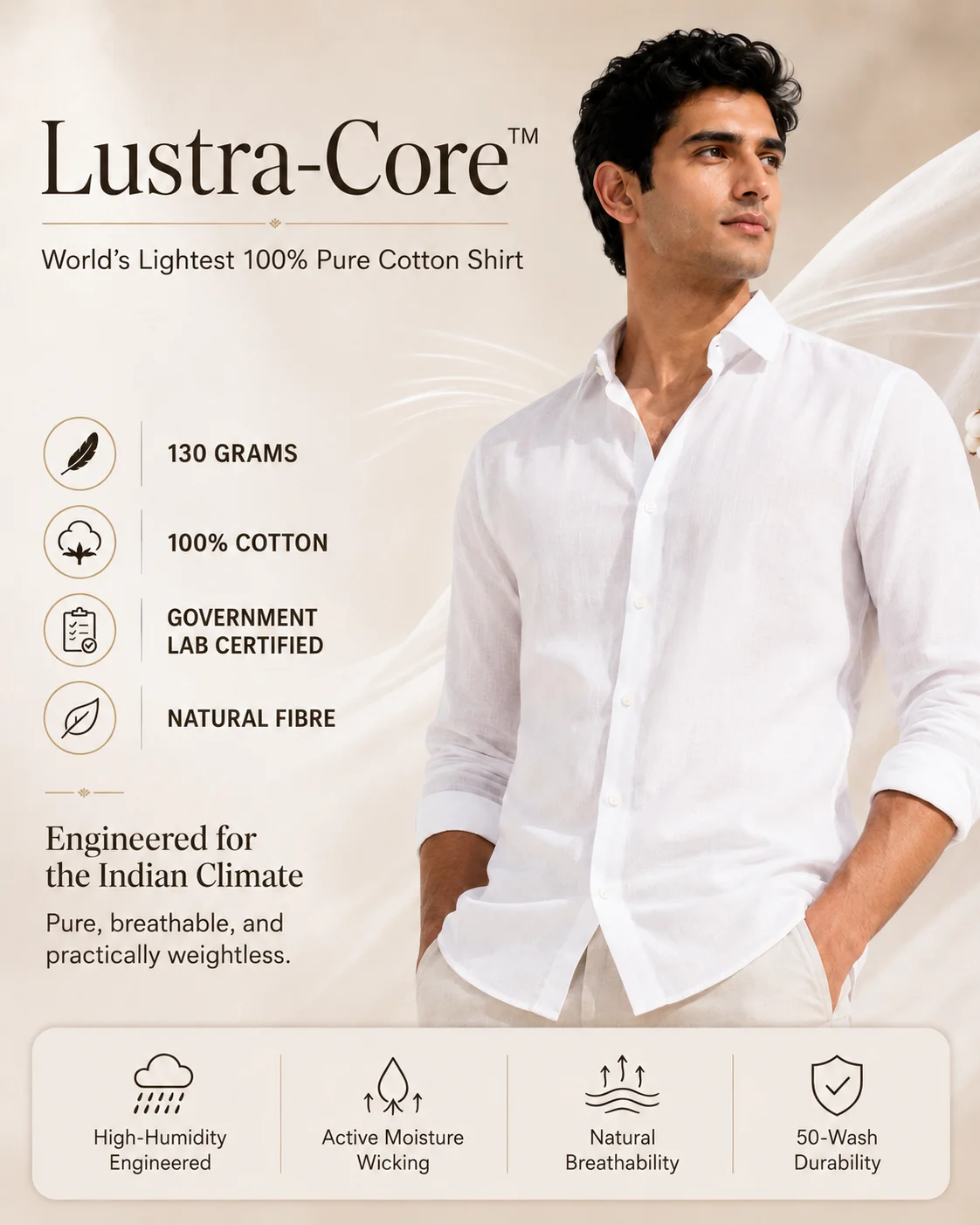
Lustra-Core™ Absolute White
Ultra-light pure cotton shirt engineered for Indian summers.
Linen Sleepwear: A Sleep Health Essential for Hot Sleepers and Climate Adaptability
Hot sleepers, particularly in India, face unique challenges. High humidity levels and fluctuating temperatures can make sleep elusive. Linen’s climate-adaptable nature makes it an essential wardrobe staple. Unlike cotton, which tends to retain moisture, linen’s quick-drying properties ensure a consistently cool sleep environment. For those accustomed to traditional Indian textiles like khadi, linen offers a contemporary counterpart—lightweight, airy, and equally rooted in natural fiber benefits. Its ability to neutralize body odor naturally is another plus, especially in regions where frequent washing is a norm.
Styling Linen for Effortless Transitions from Bedroom to Outdoor Summer Wear
Linen’s versatility extends beyond sleepwear. Its neutral tones and breathable texture make it a seamless choice for casual summer wear. Imagine slipping into a linen shirt from Pehanoge, transitioning from a restful night to a sunny day without compromising on comfort. Pair it with lightweight trousers or shorts, and you’ve got an ensemble that’s both functional and stylish. The fabric’s relaxed drape complements India’s laid-back summer fashion ethos, where ease and elegance often go hand in hand.
Buying Guide: Key Factors for Temperature-Regulating Linen Sleepwear
When choosing linen sleepwear, prioritize these factors:
- Thread count: Opt for 80–120 threads per square inch; higher counts can compromise breathability.
- Eco-friendliness: Look for organic linen or OEKO-TEX certified products to avoid chemical treatments.
- Pre-washed comfort: Pre-washed linen reduces shrinkage and softens the fabric, ensuring immediate wearability.
- Weave quality: A looser weave enhances airflow, while tighter weaves offer structure—choose based on your preference.
Indian Context: Linen’s Role in Sustainable Summer Fashion
India’s textile heritage is steeped in natural fibers, but the shift toward synthetic materials has been gradual. Linen presents a sustainable alternative, requiring fewer resources to produce compared to cotton-heavy options. Its durability means fewer replacements, reducing waste—a critical consideration in a country prioritizing eco-conscious living. For regions like Rajasthan or Chennai, where temperatures soar, linen’s cooling benefits are unmatched. Additionally, its compatibility with traditional Indian attire, such as dhotis or kurtas, makes it a culturally resonant choice for modern consumers.
FAQs
How does linen-based cooling sleepwear help regulate body temperature during sleep?
Linen’s hollow fibers allow air to circulate, promoting evaporation of moisture and preventing heat buildup. This keeps the body cool and dry, reducing the likelihood of night sweats and improving sleep continuity.
Are linen pajamas more environmentally friendly than other materials for hot sleepers?
Yes, linen is biodegradable and requires less water and energy to produce compared to cotton or synthetic fibers. Its longevity also reduces the need for frequent replacements, lowering environmental impact over time.
Can linen sleepwear cause allergic reactions, and how does it compare to other fabrics?
Linen is hypoallergenic, making it suitable for sensitive skin. Unlike synthetic fabrics, it’s free from harsh chemicals that can trigger allergies. Its natural antimicrobial properties further reduce the risk of irritation.
What makes linen more effective than cotton or silk for temperature regulation in hot climates?
While cotton retains moisture and silk lacks breathability, linen combines both moisture-wicking and airflow. Its ability to stay cool even in high humidity makes it superior for hot climates, where cotton can cling and silk may feel too warm.