


You love the way linen drapes and breathes on a hot Delhi afternoon, turning even a simple Pehanoge shirt into a statement of effortless style. Its natural fibers keep you cool, and the fabric’s timeless charm makes it a cornerstone of any Indian man’s casual wardrobe. Yet, a careless tug on a sleeve or a rough brush against a chair can create an unwanted snag, leaving you wondering how to restore the garment without ruining its texture. The good news is that with a few practical techniques, you can mend those pulls and keep your linen looking sharp for many seasons.
Understanding Linen Pulls: Why They Happen and How to Assess the Damage
Linen is a strong, loosely woven fabric, which makes it prone to snagging when it catches on sharp edges, zippers, or even coarse surfaces. The tighter the weave, the less likely a pull will occur, but even high‑quality linen can suffer from accidental friction. To assess the damage, examine the snag closely: a tiny pull may be fixed with a simple stitch, while a larger tear might need a backing piece or professional attention. Look for frayed threads, the depth of the pull, and whether the surrounding fabric is stretched. Knowing the extent helps you choose the right repair method and prevents further deterioration.
Recommended for You
-

Oxy-Linen™ | Sage Green – 60 Lea European Linen Shirt
Original price was: ₹4,999.₹3,399Current price is: ₹3,399. -
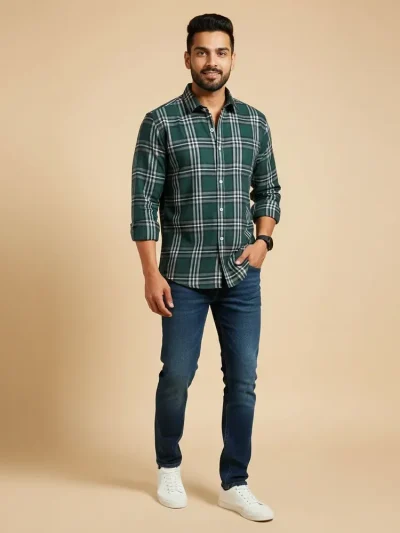
RUGGED-NAP | GREEN CHECKED SHIRT
Original price was: ₹1,499.₹1,299Current price is: ₹1,299. -

Noble Stitch | The Geometric Stag
Original price was: ₹1,999.₹1,599Current price is: ₹1,599.
Repairing Linen Clothing: Essential Tools for the Job
Before you start, gather a few basic tools that are easy to find at home or a local market: a small hand‑sewing needle, linen‑compatible thread (or a fine cotton thread that matches the shade), tiny scissors, a thimble for protection, and optionally a magnifying glass for precision work. A seam ripper can be handy for gently loosening surrounding stitches without harming the fabric. Having these tools at hand makes the repair process smoother and ensures you don’t cause additional damage while fixing the snag.
Step-by-Step Guide: Fixing Snags in Linen Garments at Home
- Inspect the snag – Identify the exact location and size of the pull. If the fabric is only slightly pulled, a simple stitch will suffice.
- Prepare the area – Lay the garment on a flat, well‑lit surface. If the snag is on a Pehanoge shirt, turn the shirt inside out to work on the interior seam for a cleaner finish.
- Thread the needle – Cut a length of thread about 18 inches, double it for strength, and knot the end.
- Secure the fabric – Place a small piece of matching linen or a clean cloth behind the snag to act as a backing, preventing the thread from pulling through.
- Stitch the snag – Using a tiny running stitch, bring the needle in and out of the fabric just above the pull, gently pulling the thread to draw the fibers back together. Keep the stitches short and even.
- Tie off – Once the snag is closed, make a few small knots on the inside of the fabric and trim any excess thread with scissors.
- Press lightly – If the area looks a bit puckered, press it with a warm (not hot) iron on a low setting, using a pressing cloth to protect the linen.
This method works well for most casual linen pieces, from everyday shirts to weekend trousers, and restores the garment’s look without compromising its natural feel.

Lustra-Core™ Absolute White
Ultra-light pure cotton shirt engineered for Indian summers.
Fabric Maintenance 101: Preventing Future Linen Snags
- Wash with care – Use cold water on a gentle cycle, and avoid harsh detergents that can weaken the fibers.
- Avoid wringing – Press out excess water with a towel instead of twisting, which can stretch the weave.
- Air dry – Hang linen in a shaded, well‑ventilated spot; this prevents shrinkage and reduces the chance of snags from heat‑set creases.
- Iron while damp – A slightly moist linen smooths out minor puckering and helps the fibers settle back into place.
- Store wisely – Keep linen garments on wide hangers or folded loosely in drawers; avoid cramming them with sharp accessories like belts or jewelry.
When buying new linen, look for tightly woven pieces with reinforced seams, as they resist pulls better. Pre‑shrinkage treatments and good colorfastness also add longevity. In India’s humid climate, air‑drying is especially important for traditional kurtas; it preserves embroidery and prevents the fabric from becoming brittle. Embrace the “lived‑in” aesthetic by pairing a repaired linen shirt with a structured blazer or a tasteful pocket square, letting the subtle imperfection become part of your rugged, masculine charm.
When to Seek Professional Help: Linen Garment Care Beyond DIY
While many snags can be mended at home, some situations call for a skilled tailor. Large tears, delicate embroidery on festive kurtas, or garments with intricate patterns deserve expert handling to avoid damaging cultural detailing. If you’re unsure about the repair or the fabric feels fragile, take the piece to a professional who understands linen’s nuances. Regular visits to a tailor for routine maintenance — such as reinforcing seams or refreshing stitching — can extend the life of your linen investments, especially when you wear them frequently during festivals and family gatherings.
FAQs
Can you fix a linen snag without a sewing kit?
Yes, you can use a simple safety pin or a small piece of tape to temporarily hold a snag in place until you obtain a needle and thread. However, a proper stitch provides a lasting solution and maintains the garment’s integrity.
What causes frequent pulls in men’s linen clothing?
Frequent pulls often result from friction with rough surfaces, tight fits that strain the weave, or contact with metal accessories like zippers and belts. Rough handling during washing or drying can also weaken the fibers over time.
Is it possible to prevent snags in linen garments permanently?
While you can’t guarantee a snag‑free lifespan, using a mesh laundry bag, avoiding sharp accessories, and storing linen properly dramatically reduce the risk. Choosing tightly woven, high‑quality linen blends also makes the fabric more resilient.
How often should you take linen clothes to a tailor for maintenance?
It’s advisable to have linen garments inspected and lightly repaired every six to twelve months, especially if you wear them regularly in humid conditions. Prompt attention to small snags prevents them from becoming larger issues.