



You are a seniorIndian menswear writer. Use this outline: { “introangle”: “For the modern Indian man, linen is a go-to fabric for comfort and style, but hard water areas can leave it stiff and dull. This guide offers targeted solutions to maintain linen’s softness and longevity, blending practical care with fashion-forward insights.”, “h2sections”: [ “The Science of Hard Water: Why Linen Suffers in Mineral-Rich Regions”, “Laundry Tips India: Proven Methods to Soften Linen Amid Hard Water”, “Protecting Fabric from Minerals: Essential Pre-Wash and Post-Wash Hacks”, “Soft Linen Hacks: Natural, Budget-Friendly Remedies for Indian Homes”, “Garment Care Schedule: A Seasonal Routine for Hard Water Climates” ], “stylingsection”: “Styling Linen with Care: How to Pair Outfits While Preserving Fabric Softness and Shape”, “buyingguideangle”: “Smart Buying Guide: Selecting Linen Fabrics and Treatments for Hard Water Resilience”, “indiancontextangle”: “Indian Water Challenges: Adapting Linen Care to Borewell, Municipal, and Monsoon Conditions”, “faqquestions”: [ “How does hard water specifically affect linen fibers and texture over time?”, “What are the most effective laundry tips for linen in typical Indian households?”, “Can natural ingredients like vinegar or alum protect linen from mineral damage?”, “How frequently should linen be washed to prevent mineral buildup in hard water zones?” ] } Write a 600–900 word blog. Rules: – Natural human tone – No HTML – No CTA – No emojis – Use Indian context – Mention Pehanoge shirts and casual wear naturally – Include FAQ answers – dont include any headers at the top Formatting rules (MANDATORY): – Use markdown headings: – Every main section heading MUST start with ## – FAQ section must start with ### FAQs – Each FAQ question must start with #### – Introduction must be plain paragraphs (no heading) – Use bullet points with “-” where helpful – Do NOT write section titles as plain text If any heading does not start with ##, rewrite it. Return ONLY markdown.
You are a senior Indian menswear writer. For the modern Indian man, linen feels like a breath of fresh air – light, breathable, and effortlessly stylish. It drapes nicely over a casual tee or a crisp shirt, making it a favorite for everything from office wear to weekend outings. Yet, in regions where the water is rich in minerals, that same linen can turn rigid, lose its soft handfeel, and look dull after a few washes. The good news is that with a few mindful steps, you can keep your linen looking as fresh as the day you bought it, whether you’re wearing a Pehanoge shirt or a simple kurta.
Recommended for You
-

Oxy-Linen™ | Coffee Brown – 60 Lea European Linen Shirt
Original price was: ₹4,999.₹3,399Current price is: ₹3,399. -

Essentials | BEIGE MANDARIN COLLER Shirt
Original price was: ₹1,499.₹999Current price is: ₹999. -
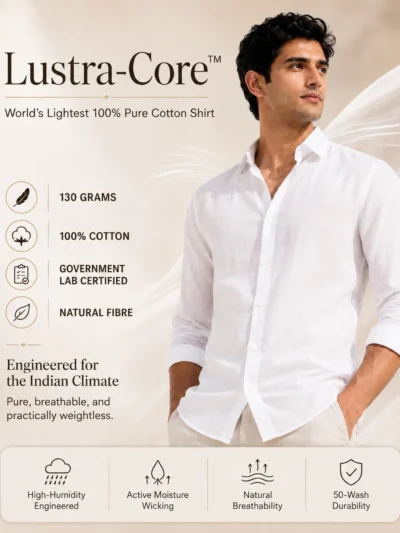
Lustra-Core™ | World’s Lightest 100% Pure Cotton Shirt | Government Lab Certified.
Original price was: ₹3,499.₹2,399Current price is: ₹2,399.
Linen thrives on natural fibers, but hard water introduces calcium and magnesium ions that cling to the fabric. Over time, these minerals deposit on the fibers, making the cloth feel stiff, reducing its drape, and causing a grayish hue. The buildup also interferes with the fabric’s ability to absorb moisture, which is one of linen’s biggest strengths. In Indian households, where borewell water is common, the effect is even more pronounced, especially during the hot months when sweat mixes with mineral deposits on the cloth.
- Use lukewarm water instead of hot; it helps the detergent work without setting mineral deposits.
- Add a cup of white vinegar to the rinse cycle; the acidity breaks down calcium bonds.
- Choose a mild, low‑suds detergent and avoid bleach, which can aggravate mineral adhesion.
- Pre‑soak the garment for 15‑20 minutes in a solution of water and a tablespoon of baking soda before washing.
- If you have a water‑softening tablet, dissolve it in the wash water for extra protection.
Before you even load the machine, give your linen a quick dip in a bucket of distilled or filtered water mixed with a pinch of baking soda. This pre‑wash step reduces the immediate impact of hard water. After washing, run an extra rinse cycle to flush out any lingering minerals. Adding a few drops of liquid fabric conditioner in the final rinse can restore softness without compromising the fabric’s natural texture. Store the cleaned pieces in a breathable cotton bag rather than plastic, which can trap moisture and encourage mineral re‑deposition.
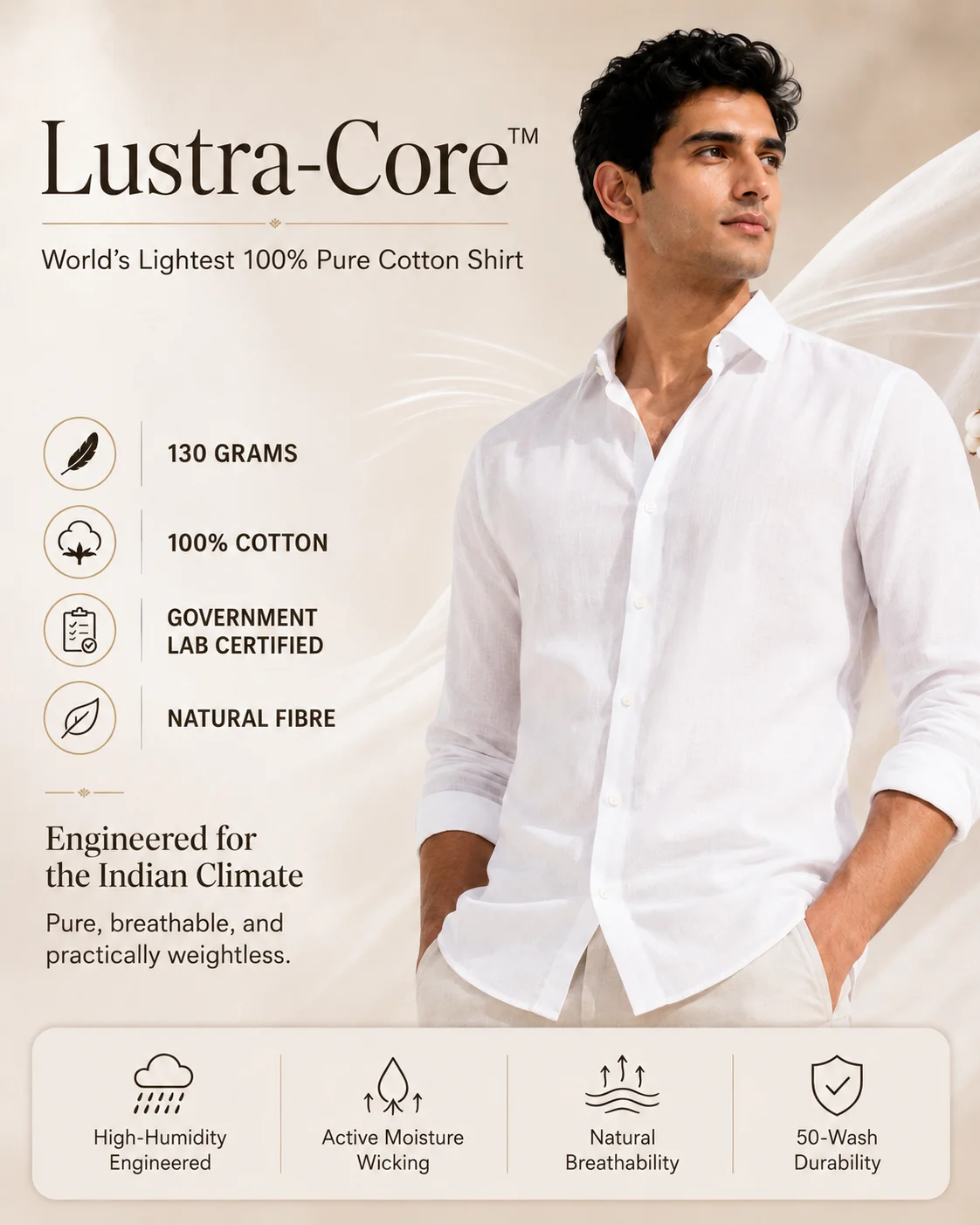
Lustra-Core™ Absolute White
Ultra-light pure cotton shirt engineered for Indian summers.
- Soak linen in cool water with a splash of lemon juice for 30 minutes before washing.
- Use a handful of rice water (the starchy water left after cooking rice) as a gentle rinse; it leaves fibers feeling smoother.
- Add a teaspoon of alum dissolved in water to the final rinse; alum acts as a natural softener.
- Sun‑dry the garments inside‑out; the gentle heat helps release mineral particles without harsh agitation.
- Keep a small bottle of diluted vinegar (1:4) handy for spot‑treating any stiff patches after drying.
A practical care calendar helps you stay ahead of mineral buildup. Wash linen garments once a week during peak hard‑water months, and extend the interval to every ten days in cooler seasons. Once a month, perform a deep‑clean soak: fill a basin with warm water, add a tablespoon of baking soda and a cup of white vinegar, submerge the linen for an hour, then launder as usual. During monsoon, add an extra rinse to counter the higher humidity that can trap minerals. In winter, avoid high‑heat drying; a low‑heat tumble or flat drying preserves the soft handfeel.
When styling, treat linen with the same care you give the fabric itself. Iron on a low setting while the cloth is still slightly damp to avoid scorching, and use a steaming cloth to revive any stiffness. Pair a crisp Pehanoge shirt with relaxed trousers for a smart‑casual look that stays comfortable all day. For everyday casual wear, combine a linen kurta with cotton joggers; the breathability of linen keeps you cool, while the softness of the other fabric balances the overall feel. Avoid over‑loading the washing machine, as crowding reduces water circulation and leaves minerals trapped in the folds.
Choose linen that is tightly woven and pre‑washed, as these fabrics have fewer loose fibers to which minerals can cling. Look for labels indicating “water‑repellent finish” or “pre‑softened,” which often mean the fabric has been treated to resist mineral buildup. Higher thread counts generally indicate a denser weave, offering better resistance to stiffness. Avoid heavily dyed linen, since the dyeing process can lock minerals into the fibers, making them harder to remove.
Hard water varies across India. Borewell water in many states is extremely hard, so installing a simple inline filter or using a washing machine’s built‑in softener can make a big difference. Municipal supplies in metros often have moderate hardness; a monthly rinse with vinegar keeps the buildup in check. During monsoon, the humidity can cause minerals to adhere more readily, so an extra rinse and thorough drying are essential. In arid regions, the dry air helps minerals evaporate, but the lack of moisture means you should be extra vigilant about drying temperatures to avoid setting any remaining deposits.
FAQs
How does hard water specifically affect linen fibers and texture over time?
Hard water deposits calcium and magnesium on linen fibers, causing them to become stiff, less pliable, and prone to a dull appearance. The mineral buildup reduces the fabric’s natural breathability and can lead to premature wear if not addressed.
What are the most effective laundry tips for linen in typical Indian households?
Use lukewarm water, add white vinegar or baking soda to the wash, choose a mild detergent, pre‑soak with a baking‑soda solution, run an extra rinse, and consider a water‑softening tablet for heavily mineralized supply.
Can natural ingredients like vinegar or alum protect linen from mineral damage?
Yes. Vinegar’s acidity helps dissolve mineral deposits, while alum acts as a natural softener that binds minerals, preventing them from adhering to the fibers during washing and rinsing.
How frequently should linen be washed to prevent mineral buildup in hard water zones?
In hard water areas, wash linen weekly during hot months and every ten days in cooler periods. Perform a deep soak with baking soda and vinegar once a month to flush out any accumulated minerals.