


Summer in India demands more than just lightweight clothing—it requires smart fabric choices. Linen, with its inherent breathability and natural fiber structure, isn’t just a passively comfortable option; it actively shields the skin from harmful UV rays. For the modern Indian man balancing urban heat and outdoor exposure, linen offers a dual advantage: staying cool while reducing sun damage risks. This makes it a vital addition to your warm-weather wardrobe, especially when crafted into well-designed shirts, shorts, and blazers from brands like Pehanoge that prioritize both style and functionality.
How Linen’s Fiber Structure Acts as a Natural UV Protector
Linen’s power lies in its long, smooth fibers, which interweave to create a dense, open yet protective fabric matrix. The yarn’s natural luster and tight weaving patterns naturally deflect UV radiation, particularly UVA rays responsible for long-term skin aging and damage. Unlike synthetic materials that may melt or cling when overheated, linen’s moisture-wicking properties keep the skin cool, reducing sweat-induced stickiness and discomfort during India’s scorching summers.
Recommended for You

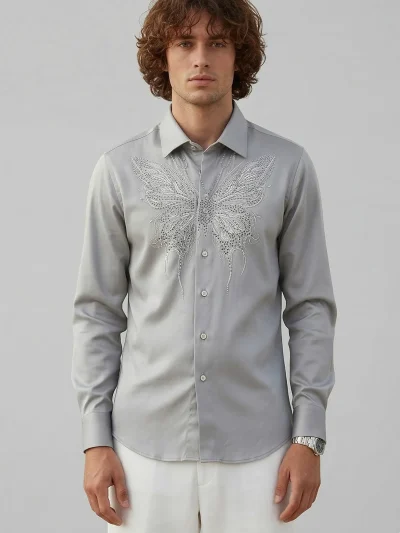
Noble Stitch | Silver Butterfly Giza Cotton Shirt
Original price was: ₹1999.00.₹1599.00Current price is: ₹1599.00.-
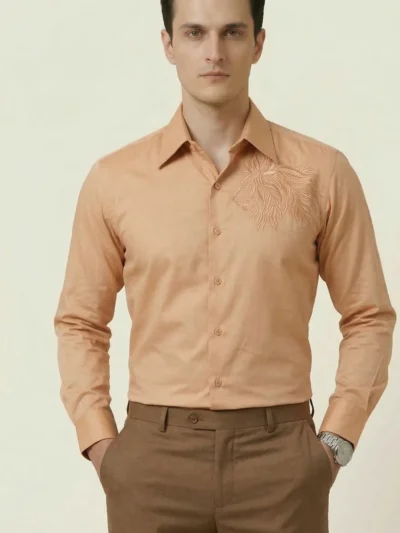
Noble Stitch | Copper Lion Giza Cotton Shirt
Original price was: ₹1999.00.₹1599.00Current price is: ₹1599.00. -
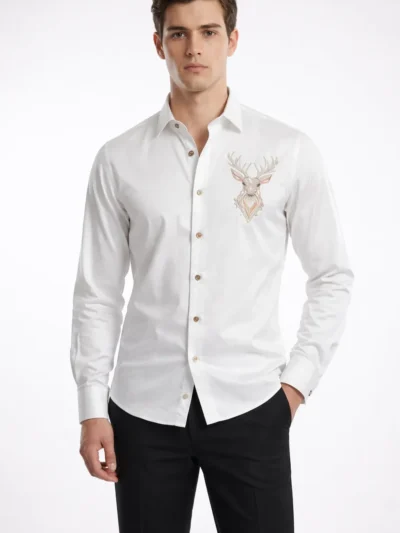
Noble Stitch | The Geometric Stag
Original price was: ₹1999.00.₹1599.00Current price is: ₹1599.00.
Comparing Linen UV Protection to Other Sun-Safe Fabrics
While UPF-rated synthetics like polyester or nylon offer high sun protection, they often lack breathability. Cotton, though popular, offers minimal UV defense unless tightly woven or treated. Linen strikes a balance—offering moderate to high UV protection (UPF 30–50, depending on weave) while maintaining airflow. Compared to hemp or bamboo fibers, linen is more accessible and widely available in Indian markets, making it a practical choice for everyday wear.
Integrating Linen into Everyday Wardrobe
Linen’s versatility shines across three core ensembles:
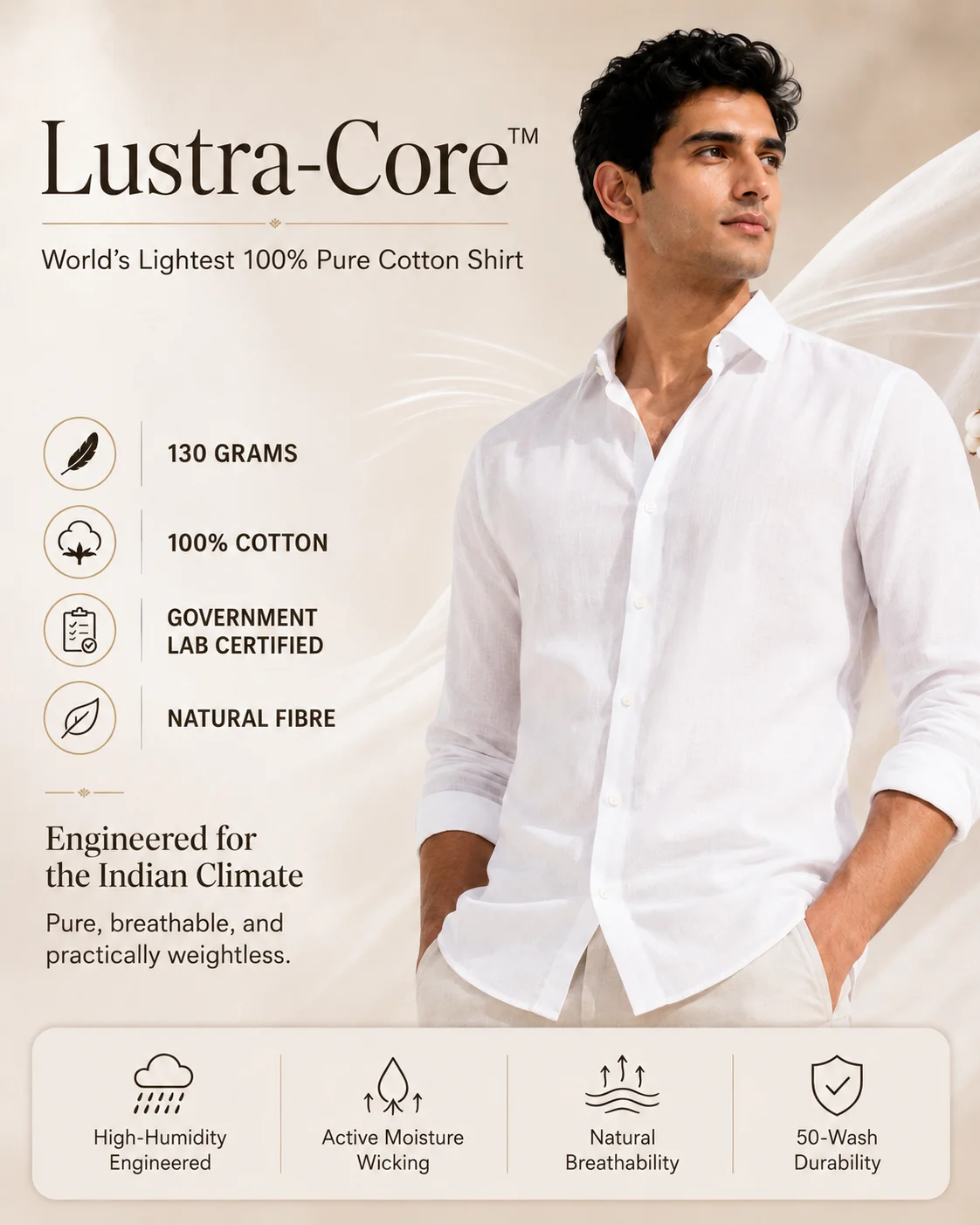
Lustra-Core™ Absolute White
Ultra-light pure cotton shirt engineered for Indian summers.
- Casual Weekend: Loose-fit linen shirts paired with tailored shorts and leather sandals. Neutral tones like beige, stone, or muted olive resist fading under harsh sun.
- Business-Casual: A structured linen-blend blazer over cotton-linen trousers. Opt for darker weaves for office settings, ensuring modest UV coverage without compromising professionalism.
- Resort Wear: Linen Kurta-pants or Bermuda-length shorts with relaxed fits. Bright colors and subtle checks add vibrancy while maintaining sun-safe coverage.
Layering is key. A lightweight linen shirt over a neutral-toned tank or tee boosts coverage without overheating. Accessories like cotton dhoti wraps or linen caps enhance protection.
Science Behind Linen UV Protection: SPF Rating Explained
While SPF measures skin protection, fabrics use UPF ratings. Linen typically ranges from UPF 30 to 50, meaning it blocks 97–98% of UV rays. Tighter weaves and lower fabric weight increase protection. Blends with synthetic fibers can boost ratings further, though natural linen remains impressive solo.
Styling Capsules with Linen’s UV Defense
- Casual Weekend: Pehanoge’s slim-fit linen shirts in earthy tones paired with chino-linen hybrid shorts. Complete with canvas shoes and polarized sunglasses.
- Business-Casual: A navy linen blazer with a white linen shirt and stone chinos. Add a linen pocket square for subtle elegance.
- Resort Wear: A linen Nehru jacket with matching pyjama or tailored Bermuda shorts. Roll up sleeves for breezy functionality.
Color choices matter: darker hues absorb more UV, while light colors reflect heat. Avoid overly sheer linen unless lined.
Buying Guide: Choosing Quality Linen with High UV Blocking
Look for:
- Tightly woven, mid-weight linen (120–160 gsm)
- Natural, undyed, or low-dye options for maximum protection
- Certifications like OEKO-TEX or GOTS ensure quality and ethical production
- Blends with elastane for shape retention (but avoid high synthetics)
Caring for linen:
- Wash in cold water, line dry to maintain fiber integrity
- Avoid bleach; use mild detergents to preserve weave density
- Iron lightly while damp to prevent wrinkles that may reduce UV blockage
Budget smartly: invest in fewer, higher-quality pieces from Indian brands like Pehanoge or global labels available online. Fast fashion often compromises both durability and UV efficacy.
Indian Context: Why Linen Matters in Our Summers
India’s UV index frequently hits extreme levels (8–11+) from March to June. Urban professionals enduring sunlit commutes and outdoor workers benefit immensely from linen’s protection. Regions like Delhi and Mumbai face intense exposure, while hill stations offer relief but still demand UV-aware clothing.
Locally, brands like Pehanoge, Fabindia, and e-commerce giants like Flipkart and Amazon India stock ethical linen lines. Handloom versions from Tamil Nadu or Rajasthan offer authentic options, supporting artisans while ensuring comfort.
FAQs
Does all linen offer the same level of UV protection?
No. Lighter, loosely woven linen offers less protection (UPF 15–30), while tightly woven, mid-weight linen reaches UPF 30–50. Color and construction also play roles—darker, densely woven linen blocks more UV.
Can I boost linen’s sun protection with treatments or blends?
Yes. UV-reflective dyes or coatings can enhance protection, though they may affect breathability. Blends with merino wool or TENCEL improve durability and SPF ratings. However, natural linen alone remains highly effective.
How do I care for linen garments to retain their UV-blocking properties?
Cold wash, air dry, and avoid harsh chemicals. Ironing maintains smooth weaves, which help retain UV blockage. Don’t overload the washing machine; gentle cycles preserve fiber integrity.
Is linen suitable for high-intensity outdoor activities like trekking or sports?
Not ideal solo. Linen’s comfort excels in moderate activity, but it wrinkles easily and may chafe. For trekking, choose linen-cotton blends. For sports, opt for moisture-wicking synthetics. Linen works best for relaxed, sun-exposed days.