


The intersection of fashion and architecture has long been a fertile ground for creative exploration, especially when considering materials that embody both form and function. In India, where the architectural landscape is rapidly evolving with sustainable practices and sleek modern designs, linen emerges as a fabric that mirrors these principles seamlessly. Its natural texture, breathability, and understated elegance echo the ethos of contemporary structures that prioritize longevity and harmony with the environment. From the handloom weavers of Gujarat to the sustainable housing projects in Mumbai, linen’s journey from fiber to fabric reflects a shared narrative of craftsmanship and conscious design. This connection becomes particularly evident in menswear, where linen’s inherent simplicity allows it to adapt to both traditional and avant-garde aesthetics, much like how modern architecture in India balances heritage with innovation.
Linen as a Structural Fabric: Bridging Fashion and Architectural Textiles
Linen’s durability and ability to hold shape make it an unexpected parallel to structural materials in architecture. Just as architects seek materials that are both functional and visually cohesive, designers turn to linen for its capacity to drape elegantly while maintaining a crisp structure. In India, this duality is celebrated in traditional handloom linen from regions like Assam and West Bengal, where artisans craft fabrics that are both robust and refined. These qualities align with the principles of modern architecture, which often emphasizes raw yet sophisticated materials. Consider the work of architects like Brinda Somaya, who incorporate local materials into urban projects—linen’s natural origins and adaptability mirror this approach, making it a textile that feels at home in both a bustling Mumbai metropolis and a tranquil heritage bungalow.
Recommended for You
-

Noble Stitch | Blossom Finch Giza Cotton Shirt
Original price was: ₹1,999.₹1,599Current price is: ₹1,599. -
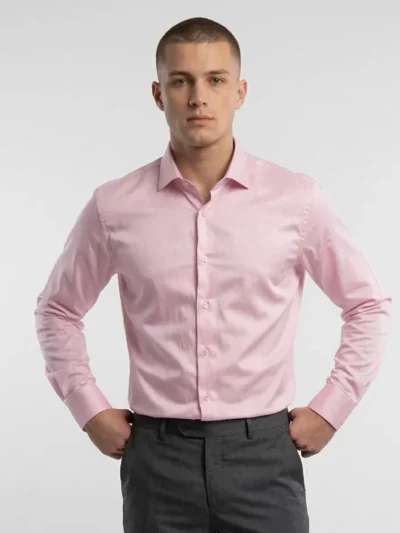
Giza-Silk | Blossom Pink Long-Staple Giza Cotton Shirt
Original price was: ₹1,499.₹1,199Current price is: ₹1,199. -

Essentials | OXFORD BLUE Enriched Cotton Shirt
Original price was: ₹1,499.₹999Current price is: ₹999.
Minimalist Design in Men’s Linen Wear: From Blueprint to Wardrobe
Minimalism in men’s fashion, particularly with linen, thrives on the philosophy of “less is more.” Clean silhouettes in linen shirts and trousers echo the uncluttered spaces of modern architecture. Brands like Pehanoge have embraced this ethos, creating casual wear that strips away unnecessary embellishments while retaining character through precise tailoring and texture. A well-fitted linen shirt from Pehanoge, for instance, mirrors the intentional simplicity of a Bauhaus-inspired building—every seam and fold serves a purpose. This approach resonates with the Indian market, where urban professionals seek wardrobe staples that transition effortlessly from office to weekend leisure, much like how modern architecture adapts to diverse urban needs.
Clean Lines in Style: How Architectural Geometry Influences Linen Tailoring
The geometry of architecture often finds its way into the seams and cuts of linen garments. Sharp lines in blazers and trousers can echo the angular facades of buildings like the Infosys campus in Mysore, designed by architect Charles Correa. When paired with linen’s fluidity, structured blazers create a dynamic contrast, much like how architectural elements like glass and concrete coexist. Accessories such as geometric-patterned pocket squares or watches with clean dials further reinforce this dialogue. In Indian menswear, this blend is particularly effective, as it allows for versatility—linen’s relaxed nature balances formal tailoring, offering a look that’s both grounded and aspirational.
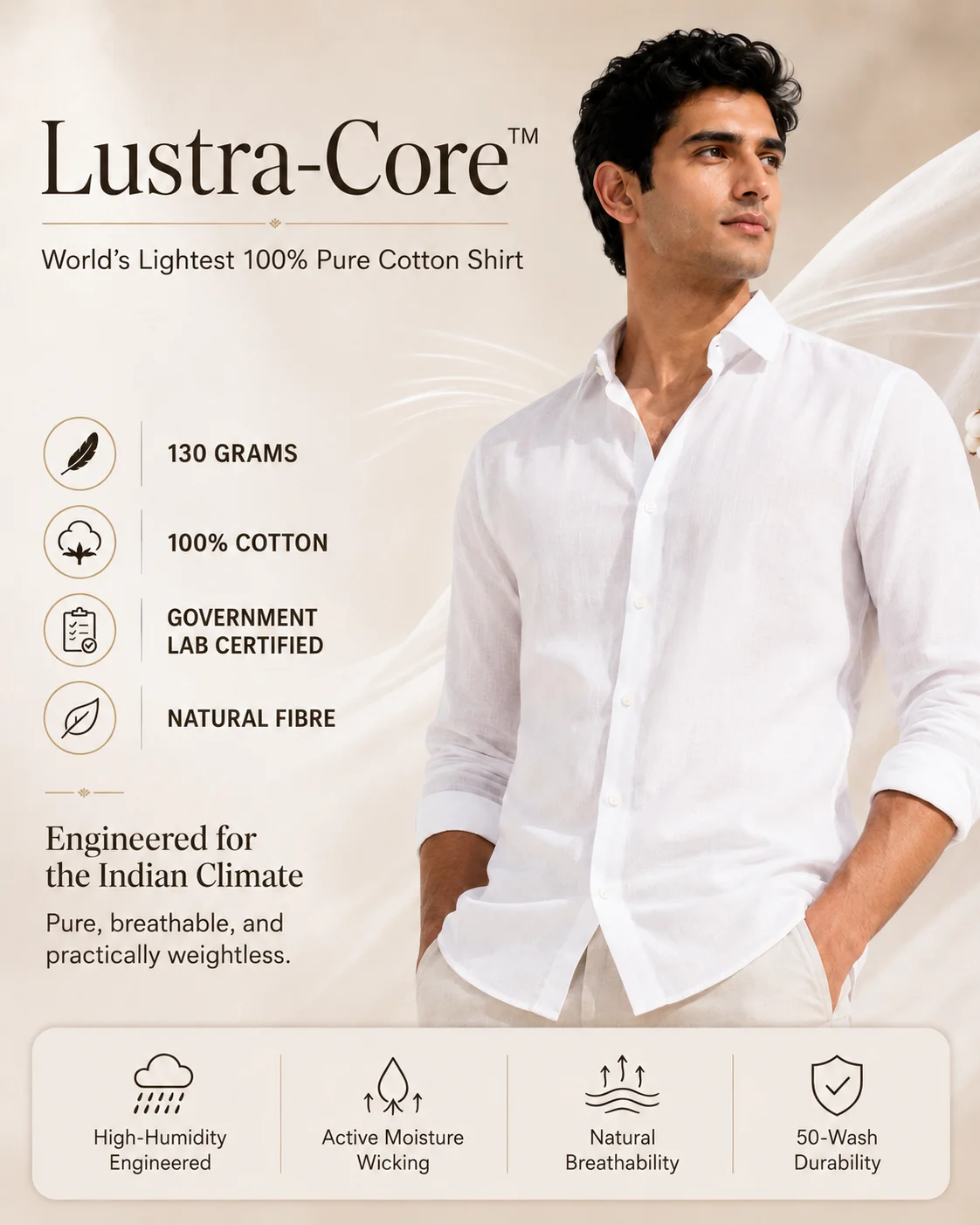
Lustra-Core™ Absolute White
Ultra-light pure cotton shirt engineered for Indian summers.
Neutral Foundations: The Shared Palette of Modern Architecture and Linen Fashion
Modern architecture often leans on neutral tones to evoke timelessness, and linen’s natural hues—ivory, beige, and muted grays—mirror this palette. These colors are not just trend-resistant but also harmonize with India’s diverse architectural environments, from the whitewashed walls of Jodhpur’s buildings to the concrete structures of Delhi’s urban sprawl. A linen shirt in stone white or sand beige pairs effortlessly with geometric accessories, creating an outfit that feels like an extension of its surroundings. This neutral approach is a staple in brands like Pehanoge, where casual wear is designed to blend seamlessly into both traditional and contemporary Indian settings.
Sustainable Threads: Eco-Conscious Practices in Fashion and Building Design
Sustainability is a cornerstone of both modern architecture and linen production. India’s Green Building Council promotes eco-friendly construction, and this ethos is reflected in the growing preference for organic linen. Brands that prioritize ethically sourced materials, such as those using handloom linen, resonate with consumers who value longevity over fast fashion. In Mumbai, initiatives like the “Green Rating for Integrated Habitat” inspire fashion choices that mirror construction values—choosing pieces that last, age gracefully, and reduce environmental impact. Linen’s biodegradability and low water requirement make it a natural fit for this narrative, reinforcing its place in a conscious wardrobe.
FAQs
How does linen’s versatility adapt to both hot and temperate climates in architectural design and fashion?
Linen’s breathability makes it ideal for India’s tropical summers, much like how courtyards and open-plan designs in architecture combat heat. Its ability to wick moisture and allow air circulation mirrors sustainable building strategies that focus on passive cooling. In fashion, this translates to linen shirts and trousers that remain comfortable in both Delhi’s sweltering summers and Pune’s milder winters. Architects designing for varied climates often use adaptive materials, and linen serves a similar role, offering comfort without compromising on style across seasons.
What architectural principles influence the tailoring of modern linen garments?
Principles like modularity and proportion heavily influence linen tailoring. The clean lines of modern buildings, such as the Lotus Temple in Delhi, inspire the precision in crafting linen blazers or shirts. Modular design in architecture—where spaces are optimized for flexibility—parallels the way linen garments are cut to offer ease of movement. The emphasis on symmetry and negative space in buildings like the Indian Institute of Management in Ahmedabad also finds resonance in the minimalist cuts of linen wear, where every fold and seam is intentional.
Are there fashion brands that explicitly collaborate with architects for linen collections?
While direct collaborations between architects and fashion brands are rare, several labels draw inspiration from architectural movements. For instance, brands like Pehanoge often reference urban landscapes in their designs, creating casual wear that mirrors the geometric and sustainable ethos of modern Indian architecture. Additionally, international labels like Issey Miyake have worked with architects on textile innovations, and this cross-disciplinary approach is slowly gaining traction in India as designers seek to blend functionality with aesthetic appeal.
Can linen ensembles transition from casual streetwear to formal architectural-inspired attire?
Absolutely. A linen shirt from Pehanoge, paired with tailored trousers, can shift from a weekend market visit to a formal dinner. By layering structured blazers or adding geometric accessories, the look gains architectural gravitas. The key lies in balancing linen’s relaxed texture with elements that introduce formality—much like how architects blend raw materials with polished finishes to create spaces that are both inviting and sophisticated.