


The idea that linen is a “set‑and‑forget” fabric is a pleasant myth that quickly unravels when you pull a white shirt from the back of your wardrobe only to find a faint, stubborn yellow hue creeping across the collar. In reality, linen’s natural fibers are highly reactive to airborne pollutants, light, and the moisture that lingers after a wash. When these elements meet the cellulose in the fabric, oxidation sets in, and the once‑crisp white turns a shade that no amount of ironing can rescue. Think of this guide as a luxury insurance policy for your wardrobe: a few mindful steps now will keep your Pehanoge shirts and casual linen pieces looking as fresh as the day you bought them, season after season.
The Chemistry of Yellowing: Why Your White Linen Discolors Over Time
Linen is made from flax fibers, which contain lignin and pectin—substances that break down when exposed to ozone, nitrogen oxides, and even the tiny particles of cooking smoke that drift through Indian kitchens. UV light accelerates this breakdown, turning the fibers yellow. Humidity compounds the problem by allowing these pollutants to dissolve in a thin film of water on the fabric surface, speeding up oxidation. The result is a gradual, irreversible discoloration that is especially noticeable on white garments because there is no dye to mask the change.
Recommended for You
-
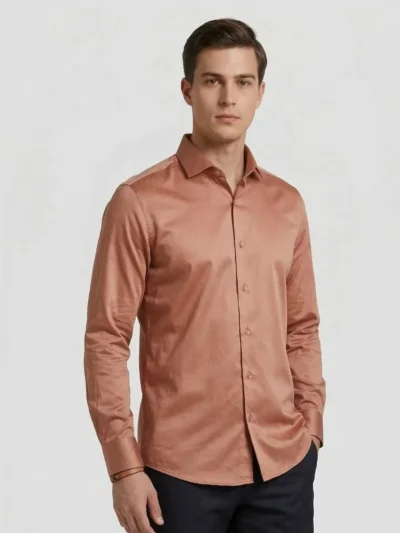
Giza-Silk | Copper Rust Long-Staple Giza Cotton Shirt
Original price was: ₹1,499.₹1,199Current price is: ₹1,199. -

Oxy-Linen™ | Rust Brown – 60 Lea European Linen Shirt
Original price was: ₹4,999.₹3,399Current price is: ₹3,399. -

Oxy-Linen™ | Mint Green – 60 Lea European Linen Shirt
Original price was: ₹4,999.₹3,399Current price is: ₹3,399.
Step-by-Step Guide for Long Term Linen Storage to Prevent Oxidation
- Inspect and repair – Look for loose threads, minor stains, or tiny tears. Mend them now; storage will only exacerbate any damage.
- Wash with care – Use a mild, pH‑neutral detergent and cold water. Avoid bleach or optical brighteners; they can weaken the fibers and leave residues that attract pollutants.
- Rinse thoroughly – Any detergent left behind can act as a catalyst for yellowing. Rinse until the water runs clear.
- Air dry flat – Lay the garment on a clean, dry towel in a shaded, well‑ventilated area. Direct sunlight may seem like a quick dry option, but it initiates the very oxidation we’re trying to avoid.
- Fold, don’t hang – Hanging can stretch the shoulders and create permanent creases that become hard to smooth out later. Fold along the natural seams, using acid‑free tissue paper to cushion the folds.
- Layer with protection – Place a sheet of acid‑free tissue between each folded layer to prevent direct fabric‑to‑fabric contact, which can transfer oils and moisture.
- Store in a breathable container – Choose a cotton garment bag or a linen‑lined storage box; avoid airtight plastic unless you add silica packets to control moisture.
- Cool, dark, dry spot – A wardrobe shelf away from windows, radiators, or the kitchen works best. Aim for a temperature below 25 °C and relative humidity under 50 %.
Breathability vs. Protection: Choosing the Right Containers for Fabric Preservation
- Acid‑free tissue paper – Neutral pH, prevents fiber degradation, ideal for interleaving.
- Breathable cotton garment bags – Allows air circulation while shielding from dust and light; perfect for hanging longer pieces like linen trousers.
- Silica packets – Small, reusable moisture absorbers; place one or two inside each container to keep humidity in check without making the environment too dry.
- Airtight plastic bins – Only advisable if you pair them with silica packets and open them every few weeks to let fresh air in; otherwise, trapped moisture can accelerate yellowing.
- Wooden cedar chests – Naturally repel moths and impart a subtle fragrance; ensure the cedar is untreated to avoid staining.
The ‘Clean‑Dry‑Cool’ Rule: Pre-Storage Rituals for White Clothing
Before any linen piece goes into storage, run through this quick checklist:
- Clean – No visible stains, no residual detergent, no body oils. Spot‑treat any marks with a gentle soap solution and rinse.
- Dry – Completely moisture‑free; even a hint of dampness can foster mildew in India’s humid climate.
- Cool – Store in a location where temperature stays steady; avoid attics or basements that swing between hot and cold.
Following this rule cuts down the risk of oxidation by removing the three main culprits: dirt, water, and heat.
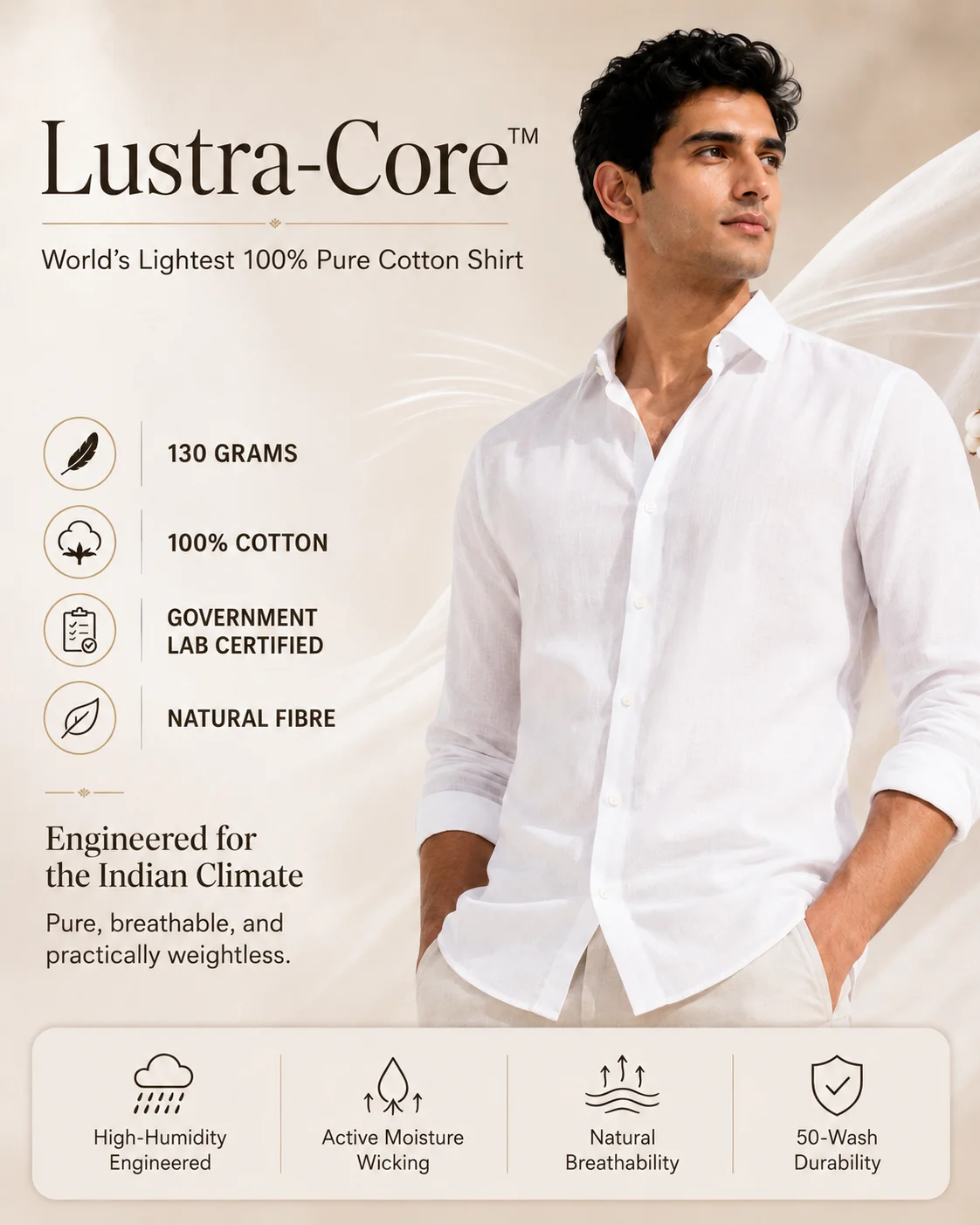
Lustra-Core™ Absolute White
Ultra-light pure cotton shirt engineered for Indian summers.
How to transition stored linen pieces from early spring to high summer, focusing on pairing crisp white linen shirts with breathable chinos or navy tailoring
As the weather warms, pull your stored linen shirts out a day before you plan to wear them. Give them a light steam or a quick press on a low‑heat setting—just enough to release any gentle folds without scorching the fibers. Pair a crisp white Pehanoge shirt with slim‑fit cotton chinos in beige or olive for a relaxed weekend look. For office‑ready attire, tuck the same shirt into navy tailored trousers; the contrast highlights the shirt’s texture while keeping you cool. Add a leather belt in tan and loafers or brogues to complete the ensemble. The key is to let the linen breathe; avoid heavy layers that trap heat and cause sweat to settle on the fabric, which can invite staining over time.
A curated checklist for storage essentials, comparing acid-free tissue paper, breathable cotton garment bags, and moisture-absorbing silica packets versus airtight plastic bins
- Acid‑free tissue paper – Best for interleaving folds; inexpensive and reusable.
- Cotton garment bags – Ideal for shirts and jackets; protects from dust while allowing airflow.
- Silica packets – Rechargeable by sunlight; essential in monsoon months to keep humidity low.
- Airtight plastic bins – Use only if you commit to regular airing and silica supplementation; otherwise, risk of trapped moisture outweighs the benefit.
Combine the first three for optimal protection; reserve plastic bins for short‑term travel storage where you need a rigid barrier against crushing.
Addressing the challenges of high humidity and monsoon moisture in India, with specific advice on using neem leaves or cedar blocks to repel pests without staining delicate fibers
India’s monsoon season brings relentless dampness that can turn a storage closet into a breeding ground for silverfish and moths. Chemical mothballs, while effective, often leave a lingering odor and can discolor delicate linen over time. A natural alternative works just as well:
- Neem leaves – Dry a handful of neem leaves and place them in a small muslin bag. Tuck the bag into each storage container; neem’s bitter compounds deter insects without leaving residue on fabric.
- Cedar blocks – Choose untreated cedar slices or blocks. Their aromatic oils repel moths and absorb minor moisture. Replace them every three months or when the scent fades.
- Additional tip – After a particularly wet week, open your storage containers for a few hours in a shaded, breezy spot to let any trapped humidity escape before resealing.
These methods keep pests at bay while preserving the pristine white of your Pehanoge shirts and casual linen pieces, ensuring they stay ready for the next sunny day.
FAQs
Can I store linen in vacuum-sealed bags for long periods?
Vacuum-sealing removes air, which sounds protective, but it also compresses the fibers and can set in creases that become permanent. Moreover, any residual moisture inside the bag has nowhere to escape, encouraging mildew. If you must use vacuum bags for short trips, ensure the linen is bone‑dry, add a silica packet, and limit the storage time to a few weeks. For seasonal storage, breathable options are far safer.
How do I remove existing yellow stains before seasonal storage?
Start with a gentle soak in lukewarm water mixed with a tablespoon of white vinegar for 30 minutes. Vinegar helps neutralize alkaline residues that cause yellowing. Rinse thoroughly, then launder as usual with a mild detergent. For stubborn spots, apply a paste of baking soda and water, let it sit for 15 minutes, then rinse. Avoid bleach; it weakens linen and can worsen discoloration over time.
Should I hang or fold my linen shirts to avoid permanent creases?
Folding is the preferred method for long‑term storage. Hanging can stretch the shoulder seam and create a visible line at the collar where the fabric bears the weight of the garment. When folding, use acid‑free tissue along the seams and store flat in a breathable container. If you prefer hanging for short‑term use, choose wide‑shaped, padded hangers and keep the shirts in a well‑ventilated closet away from direct sunlight.
Is it safe to use scented mothballs with high-grade white linen?
Scented mothballs often contain naphthalene or paradichlorobenzene, which can volatilize and settle on fabrics, causing discoloration and a lingering odor that is difficult to remove. For high‑grade white linen, it’s better to rely on natural repellents like neem leaves or cedar blocks, which protect without risking staining or odor transfer.
By treating your linen as the investment it is—rather than an afterthought—you’ll enjoy the timeless elegance of white shirts and casual wear throughout India’s shifting seasons. A little preventive care today saves you from the disappointment of yellowed collars tomorrow, letting your Pehanoge pieces stay as crisp and confident as the wearer themselves.