


Modern architects are relentlessly drawn to linen for more than just its breathability; they see the fabric as a living embodiment of the very principles that guide their designs. Discover how this natural fiber mirrors the architect’s quest for simplicity, durability, and timeless elegance.
How Architectural Principles Shape the Choice of Linen in Designer Wardrobes
Architects are drawn to linen because it embodies the core tenets of their profession. The fabric’s natural texture and relaxed drape reflect the modernist philosophy of form following function. Unlike synthetic alternatives, linen ages gracefully, developing a lived-in character that mirrors the patina of a well-crafted building. In India’s sweltering climate, this organic material offers a breathable alternative to heavier cottons, making it a practical choice for professionals who spend their days sketching, consulting, or supervising construction sites.
Recommended for You
-

Oxy-Linen™ | Silver Ash – 60 Lea European Linen Shirt
Original price was: ₹4,999.₹3,399Current price is: ₹3,399. -

RUGGED-NAP | OFF BLACK CHECKED SHIRT
Original price was: ₹1,499.₹1,299Current price is: ₹1,299. -

Noble Stitch | Golden Quill Giza Cotton Shirt
Original price was: ₹1,999.₹1,599Current price is: ₹1,599.
Structural Minimalism: Linen’s Role in Modern Architect Fashion Style
The concept of structural minimalism finds its echo in linen’s unembellished appeal. Architects favor clean lines in both their designs and wardrobes, and linen delivers exactly that. A tailored linen suit, with its soft shoulders and fluid silhouette, mimics the gentle curves of a modernist façade. In Indian cities like Delhi and Mumbai, where monsoons bring humidity, linen’s moisture-wicking properties help maintain composure during long commutes between office and project sites.
Clean Design in Clothing: The Unfolding Silk‑Linen Fusion for Urban Professionals
For urban architects, the silk-linen blend offers the perfect balance of sophistication and comfort. This fusion fabric combines silk’s sheen with linen’s durability, creating garments that transition seamlessly from boardroom presentations to casual studio days. Pehanoge shirts, known for their relaxed fit and earthy tones, exemplify this trend. Their loose structure and natural fibres align with the architect’s preference for functional aesthetics, making them a staple in contemporary wardrobes.
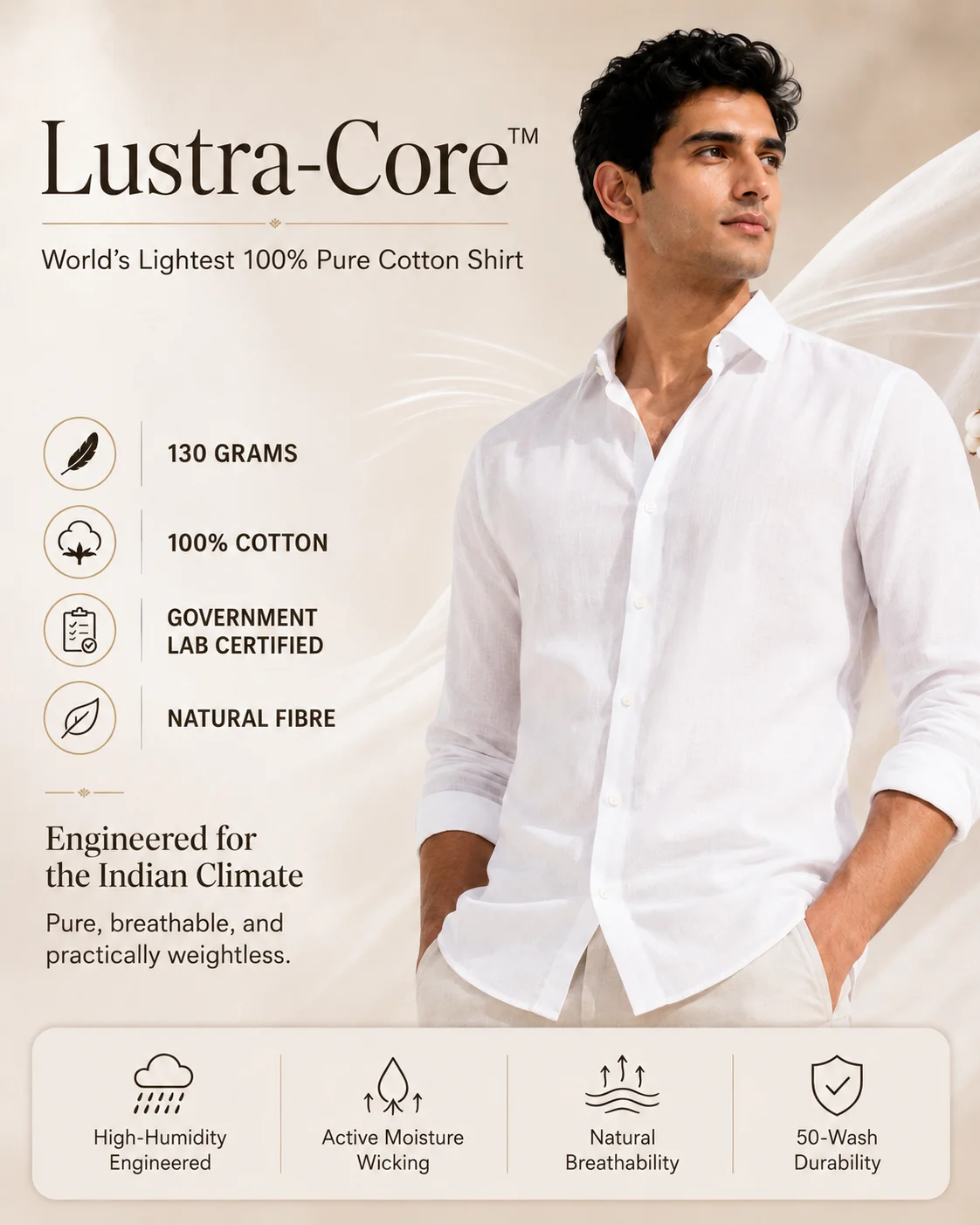
Lustra-Core™ Absolute White
Ultra-light pure cotton shirt engineered for Indian summers.
From Sketch to Stitch: Designer Style Ideas Inspired by Architectural Lines
Designers are increasingly translating architectural concepts into wearable art. The sharp angles of a skyscraper inspire the structured cut of a linen blazer, while the flowing lines of a bridge inform the drape of a kurta. In Indian metros, brands like Pehanoge are reimagining traditional silhouettes with linen, creating pieces that honor cultural heritage while embracing minimalist design. These garments often feature asymmetrical hems, geometric pockets, and neutral palettes that mirror urban landscapes.
Styling Tips for the Architect’s Wardrobe
- Layer linen pieces with sharp tailoring to echo the clean lines of a modernist building.
- A crisp linen blazer paired with tapered trousers creates a silhouette that feels both structured and relaxed.
- For a low-key office look, combine a lightweight linen button-down shirt with dark denim or wool trousers.
- Accessorize with minimalist leather belts and clean-cut shoes to maintain that structural minimalism that architects adore.
- Opt for neutral colors like beige, stone, and charcoal to reflect the muted tones of urban architecture.
Buying Guide: Where to Find Quality Linen in India
When hunting linen in India, prioritize weaver-certified brands that emphasize durability and authentic textures. Look for offerings from heritage labels like Arun Jain, Khadi and Klima, and the emerging indie label Saachi, which blend traditional handloom techniques with contemporary cuts. Check for a 400-thread count or higher, and opt for pre-washed, low-maintenance varieties that resist wrinkles—perfect for the fast-paced life of an architect on the move.
- Arun Jain: Known for premium handloom linens.
- Khadi and Klima: Focuses on sustainable, handcrafted textiles.
- Saachi: Blends traditional methods with modern designs.
- Pehanoge: Offers casual wear with architectural inspiration.
The Indian Context: Linen Meets Tradition
In the Indian climate, linen’s natural cooling properties make it a practical choice for architects who work long hours in both studios and outdoor sites. The fabric’s ability to absorb moisture and resist heat aligns perfectly with the regional lifestyle, while Indian designers are increasingly reinterpretating classic kurta-pajama and kurti silhouettes using linen, marrying structural minimalism with cultural aesthetics. This surge is reflected in premium malls and online platforms, where architect-inspired linen collections are gaining traction among urban professionals seeking designer style that respects tradition.
FAQs
Why do modern architects prefer linen over other fabrics for their professional and personal wardrobes?
Architects value linen for its breathability, durability, and aesthetic simplicity. The fabric’s natural texture complements the clean lines they admire in architecture, while its ability to regulate temperature makes it practical for India’s climate. Additionally, linen ages well, developing a personalized look that reflects the wearer’s experiences, much like a building gains character over time.
How does the concept of structural minimalism in architecture translate into linen clothing choices?
Structural minimalism emphasizes function and form without unnecessary embellishment. Linen’s unlined, relaxed fit mirrors this philosophy. Architects often choose unstructured blazers, straight-leg trousers, and simple shirts that allow ease of movement while maintaining a polished appearance. The fabric’s natural wrinkles are embraced rather than avoided, celebrating imperfection as part of the design.
What are the key care tips to keep linen garments looking sharp for long periods?
- Wash linen in cold water to prevent shrinkage.
- Avoid using bleach, which can weaken the fibers.
- Hang dry or lay flat to maintain shape.
- Iron on a medium setting while the fabric is slightly damp.
- Store in a cool, dry place to prevent mildew.
Which Indian designers or brands are leading the linen trend for architect-inspired fashion?
Several Indian brands are at the forefront of this movement. Pehanoge stands out with its casual wear that blends architectural inspiration with comfort. Arun Jain offers premium handloom linens, while Khadi and Klima focus on sustainability. Saachi is another emerging name, known for contemporary cuts that cater to the modern professional. These brands cater to architects and designers who seek both style and functionality in their wardrobes.