


As temperatures soar, every man’s wardrobe needs a hero fabric that balances comfort with style. While linen has long reigned supreme in summer dressing, seersucker’s puckered charm is quietly stealing the spotlight. The battle between linen vs seersucker isn’t just about texture—it’s about finding your perfect summer soundtrack.
The Pucker Power: Understanding Seersucker Fabric Construction
Seersucker gets its name from the Persian words “shir” meaning milk and “akhbar” meaning juice, describing how the fabric appears to have been squeezed. This puckered effect isn’t just aesthetic—it’s functional engineering at work. The weaving process creates alternating tight and loose threads, forming those distinctive diamond-shaped quilts that define the fabric’s character.
Recommended for You

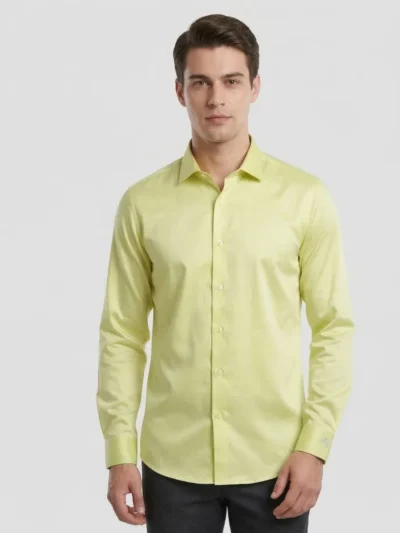
Giza-Silk | Lemon Yellow Long-Staple Giza Cotton Shirt
Original price was: ₹1499.00.₹1199.00Current price is: ₹1199.00.-
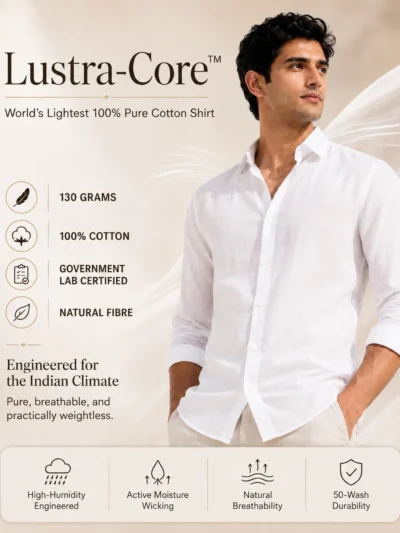
Lustra-Core™ | World’s Lightest 100% Pure Cotton Shirt | Government Lab Certified.
Original price was: ₹3499.00.₹2399.00Current price is: ₹2399.00. -
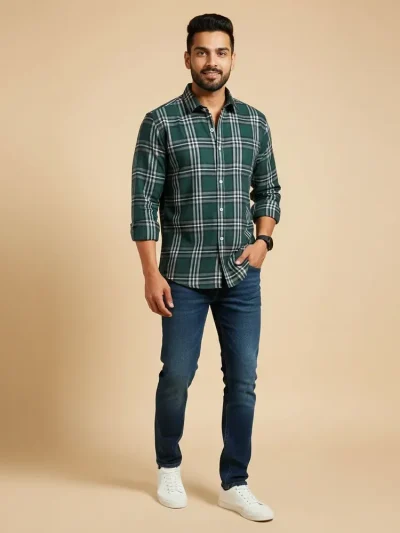
RUGGED-NAP | GREEN CHECKED SHIRT
Original price was: ₹1499.00.₹1299.00Current price is: ₹1299.00.
The construction method means air circulates freely through the raised sections, making seersucker inherently cooler than flat-weave alternatives. In India’s diverse climate, this translates to fabric that actively works to keep you comfortable rather than simply sitting still. Traditional seersucker weaving, particularly strong in West Bengal and Tamil Nadu, uses time-honored techniques that create more consistent puckering than machine-made alternatives.
Linen vs Seersucker: Breathability and Comfort Face-Off
Both fabrics excel in heat, but through different mechanisms. Linen’s open weave allows air to pass directly through the fibers themselves, while seersucker’s quilted surface creates channels for air movement. In high humidity, seersucker often performs better because its texture doesn’t hold moisture the way linen’s smooth surface can.
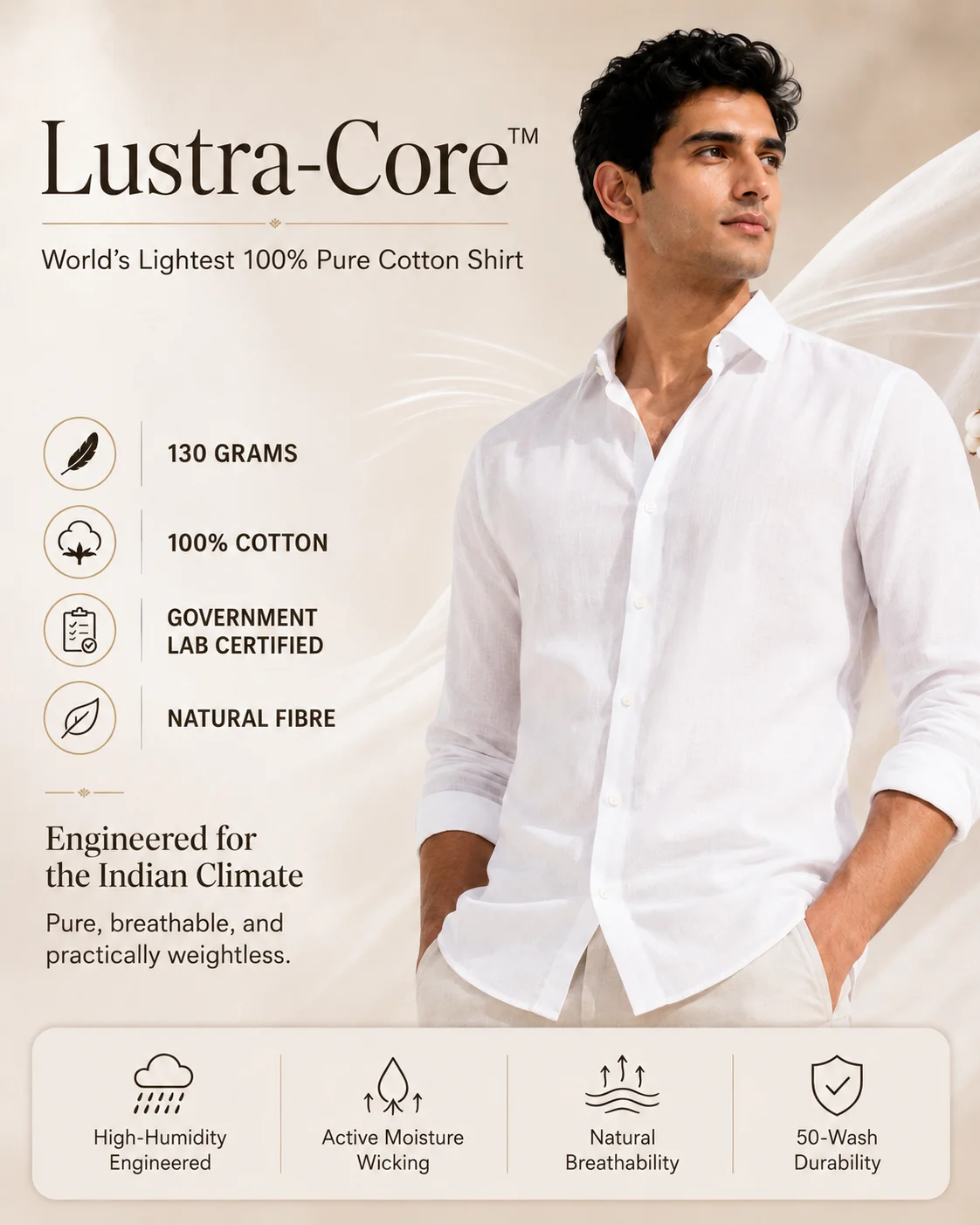
Lustra-Core™ Absolute White
Ultra-light pure cotton shirt engineered for Indian summers.
For the Indian climate, this distinction matters enormously. Coastal regions like Mumbai benefit from seersucker’s moisture-wicking properties, while hill stations and cooler northern areas might favor linen’s extra breathability. The key is understanding how each fabric interacts with your specific environment.
Summer Suit Showdown: When to Choose Crisp Linen Over Textured Seersucker
Linen suits command effortless sophistication—the rumpled look is intentional, suggesting relaxed confidence. They work beautifully for casual summer weddings or weekend parties where you want to look polished without trying too hard. Pehanoge shirts in linen blends offer the perfect middle ground, providing comfort with a slightly smarter appearance for those unpredictable summer meetings.
Seersucker suits, with their structured texture, project different energy entirely. They’re ideal for corporate environments or formal weddings where you need to maintain a pressed appearance throughout long days. The texture hides minor wear and creates visual interest without requiring constant attention.
Durability Duel: How These Fabrics Hold Up Through Hot Weather
Linen’s natural antimicrobial properties mean it resists odor buildup better than many fabrics, but it’s prone to tearing when wet and can become brittle over time. Seersucker, with its reinforced quilted structure, tends to be more resilient in everyday wear, especially important for India’s rigorous washing cycles.
In practical terms, seersucker’s wrinkle resistance means fewer trips to the iron—a consideration when domestic help might not be available or electricity costs are a concern. Linen requires more maintenance but rewards careful owners with superior drape and comfort.
The Visual Impact: Texture, Drape, and Style Versatility Compared
Linen falls in soft, flowing lines that create relaxed silhouettes. It’s the fabric equivalent of a sigh of contentment. Seersucker holds its shape more definitively, creating architectural interest even in simple cuts. This makes it particularly effective for structured pieces like shorts or jackets where you want clean lines.
For Indian wardrobes, this visual difference translates to different use cases. Linen excels in transitional pieces—think kaftans or loose tunics that work for both indoor and outdoor settings. Seersucker shines in pieces meant to look intentionally put-together, like cricket whites or tailored shorts that signal purpose.
Mastering the art of summer dressing means understanding each fabric’s personality: linen commands effortless cool in relaxed cuts like Belgian waistcoats or boyfriend fits, while seersucker excels in structured pieces like cricket whites or tailored shorts. For the Indian climate, layer seersucker shirts under linen jackets for breathable depth, or go monochrome with seersucker suits for weddings where texture matters more than volume.
When shopping for linen vs seersucker, quality hinges on weave consistency and fabric weight. Look for 100% natural fibers with tight weaves for linen (avoid synthetic blends), and check seersucker’s pucker spacing—evenly distributed quilting indicates better construction. In India, brands like Raymond and Arvind offer authentic options, while premium imported linen justifies its cost through reduced wrinkling and superior breathability.
India’s varied climate demands versatile summer solutions: light cotton-linen blends work for humid Mumbai summers, while drier regions can handle pure linen’s extra breathability. Seersucker finds its audience in formal settings like weddings and corporate environments where its wrinkle-resistant nature prevents the “just-out-of-airport” look that linen often delivers. Local artisans in Tamil Nadu and West Bengal are reviving traditional seersucker weaving, offering authentic alternatives to mass-produced options.
FAQs
Does seersucker really stay cooler than linen in high humidity?
Yes, particularly in conditions above 70% humidity. Seersucker’s quilted structure creates air pockets that linen’s flat surface cannot match. While linen breathes well, it also retains moisture longer. Seersucker’s texture allows moisture to evaporate more quickly, making it the better choice for monsoon-affected areas or coastal regions.
How do I remove stubborn wrinkles from linen without looking like I just stepped out of a wind tunnel?
Embrace the wrinkles—they’re part of linen’s charm. For workplaces or formal settings, hang the garment immediately after washing and spritz with water before wearing. A handheld steamer works better than an iron for maintaining linen’s natural drape. Avoid over-pressing; slight texture reads as intentional rather than careless.
Can I wear seersucker to formal Indian weddings, or is it too casual?
Modern seersucker, especially in navy, charcoal, or natural fibers, works beautifully for formal weddings. The key is choosing finer weaves and avoiding overly textured patterns. A seersucker blazer over cotton trousers creates smart-casual appeal that fits contemporary Indian wedding dress codes. For traditional ceremonies, pair with a linen pocket square for added sophistication.
Which fabric is more economical in the long run given India’s washing and care requirements?
Seersucker wins on maintenance costs due to its wrinkle resistance and durability. However, high-quality linen’s longevity can offset initial investment. For budget-conscious buyers, cotton-linen blends offer compromise—reduced wrinkling with maintained breathability. Consider your washing frequency and whether you have reliable pressing services when making the choice.