


The interplay between tradition and innovation shapes modern menswear, where old practices coexist with new advancements. In India’s diverse cultural landscape, understanding material properties becomes a subtle yet vital art form. Pehanoge shirts, with their distinctive styles, reflect local craftsmanship and offer practicality, while casual wear demands versatility that respects both form and function. As climates shift, especially in hotter regions, the choice of fabric transcends merely preference; it influences comfort and sustainability. Such considerations underscore a deeper appreciation for regional identity embedded within material choices. Efforts to blend heritage with contemporary needs highlight a society navigating progress thoughtfully, ensuring traditions remain relevant without losing their essence. Here lies a space where technical knowledge meets cultural sensibility.
Molecular Breakdown: How Wicking Fabrics Combat Sweat
Understanding why wicking fabrics excel involves delving into molecular interactions. Water absorption, release, and evapotranspiration are governed by fiber structure. Linen’s porous nature allows moisture to migrate into its dense fibers, where it draws away sweat effectively. This process is accelerated by temperature changes, making linen ideal for climates where drying quickly is paramount. Such properties also align with sustainable practices, minimizing reliance on synthetic chemicals. Modern textiles often hybridize performance aspects with aesthetics, yielding fabrics that serve multiple functions. The science behind these attributes remains a cornerstone for designers aiming to innovate within traditional frameworks.
Recommended for You
-
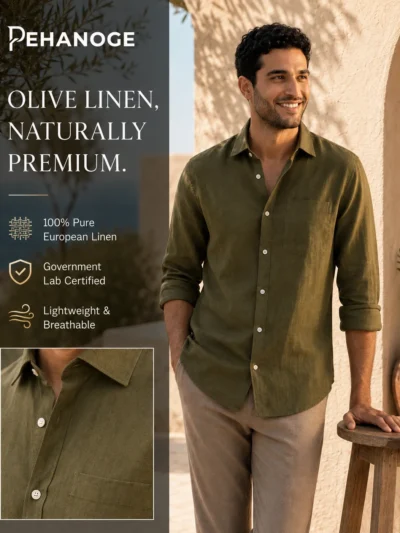
Oxy-Linen™ | Olive Green – 60 Lea European Linen Shirt
Original price was: ₹4,999.₹3,399Current price is: ₹3,399. -
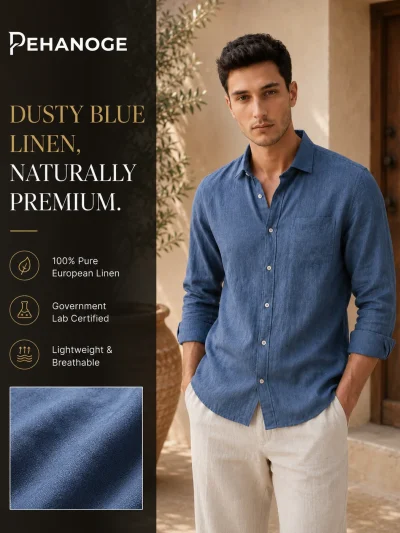
Oxy-Linen™ | Office Blue – 60 Lea European Linen Shirt
Original price was: ₹4,999.₹3,399Current price is: ₹3,399. -
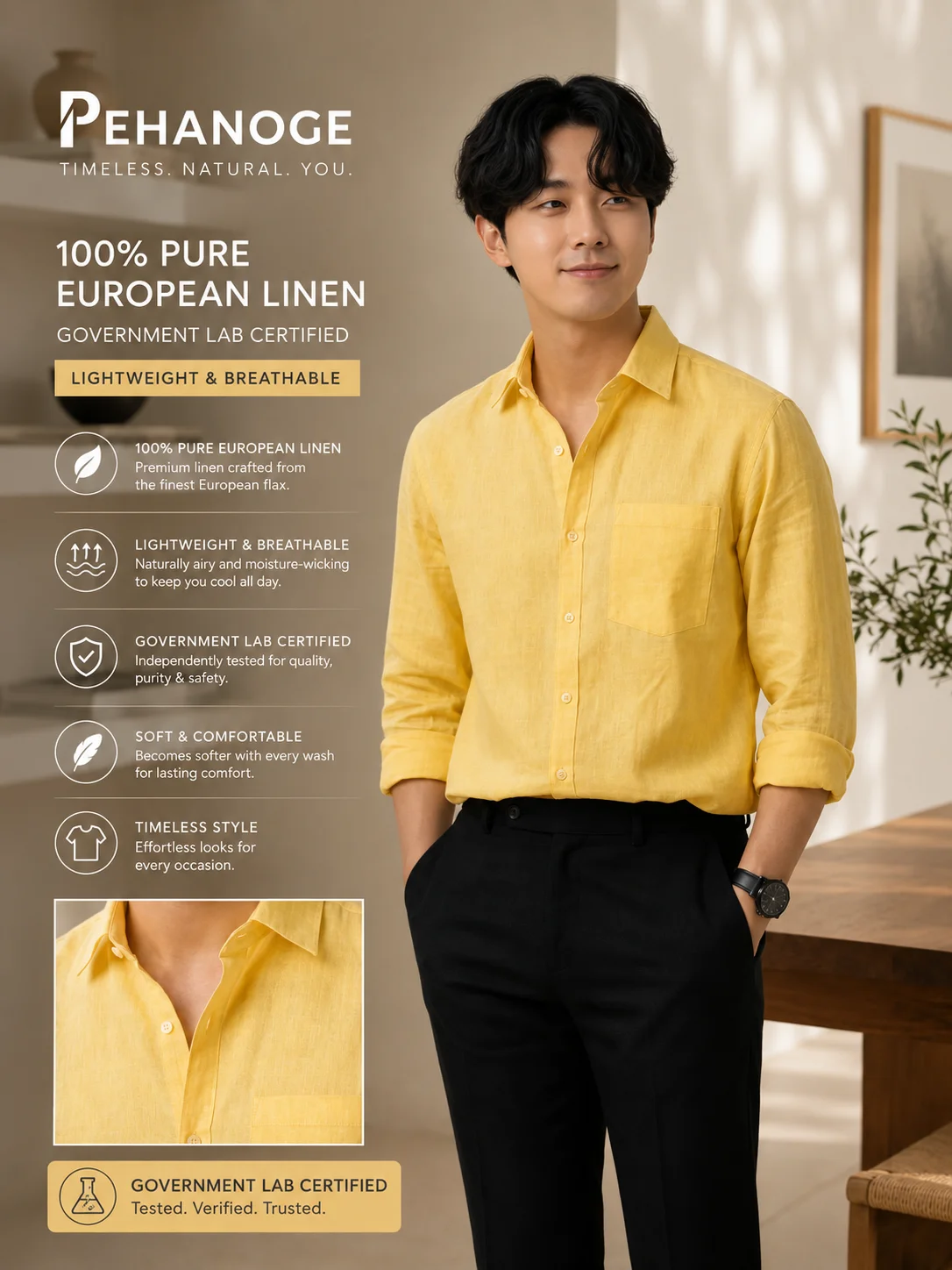
Oxy-Linen™ | Lemon Yellow – 60 Lea European Linen Shirt
Original price was: ₹4,999.₹3,399Current price is: ₹3,399.
Linen’s Natural Advantage: Harnessing Plant Science for Moisture Management
Linen’s superiority stems from its plant-based origins and biological properties. The plant fibers break down readily, enhancing its ability to absorb and release solutes efficiently. Studies confirm its capacity to wick up moisture within minutes, facilitating rapid cooling without compromising breathability. This trait is deeply rooted in agriculture and fiber science, making linen a sustainable choice. When paired with proper care, it avoids common issues like creasing or discoloration, offering a durable solution that aligns with eco-conscious values. The synergy between nature’s design and human needs continues to define its significance.
Fast Drying Fabrics: A Deep Dive into Linen Absorbency and Speed
While linen is renowned for its inherent quick drying, modern interpretations build upon this with advanced blends. Resistance to wetting limits and enhanced moisture-wicking capabilities modern production techniques integrate. This synergy ensures applicability in diverse environments, from sports to daily wear. Fabric weights and textures play crucial roles here, with lighter weaves accelerating water movement. Thus, linen’s evolution reflects a balance between primal properties and contemporary demands, ensuring relevance across seasons. Such advancements address past limitations, expanding its utility further.
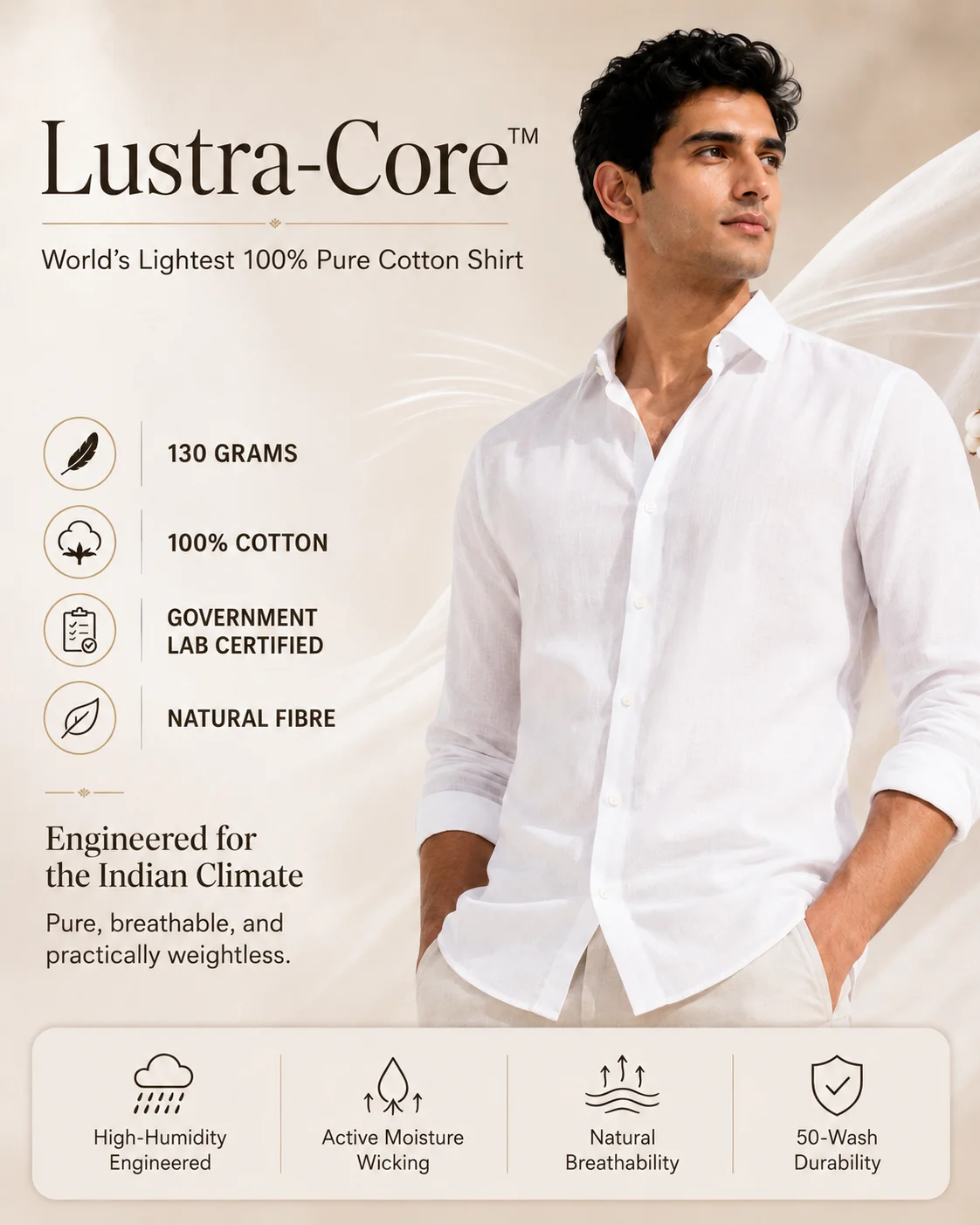
Lustra-Core™ Absolute White
Ultra-light pure cotton shirt engineered for Indian summers.
FAQs
1. What makes linen a fast-drying fabric compared to alternatives like cotton?
Linen excels due to its natural fiber structure and high absorbency. Its fine weave allows efficient moisture transfer, while its natural consistency enhances speed. Cotton’s slower absorption and tendency to retain moisture limit performance. Blends often modify properties, but linen’s inherent traits remain foundational.
2. How does the weave of linen influence moisture management?
The fine interlocking fibers in linen create pathways for water flow. This structure minimizes interference with air or sweat escape. By allowing moisture pathways to dominate, linen ensures faster drying without compromising strength or flexibility, making it ideal for practical use over longer periods.
3. Can synthetic blends enhance the fast-draining properties of linen?
Admitting blends can sometimes compromise linen’s eco-friendly credentials and unique textures. However, strategic combinations might boost performance area-wise, offering a tailored solution. The key lies in balancing additions to preserve linen’s core benefits rather than substituting it.
4. Are there sustainable brands offering technical linen for active lifestyles?
Yes. Brands prioritizing both function and sustainability now offer certified technical linens blended with eco-conscious materials. These products emphasize durability, non-toxic dyes, and environmental responsibility, aligning practical needs with ethical considerations. Substituting carefully ensures alignment with broader goals without sacrificing quality.
The interplay between traditional materials like linen and modern advancements reveals a landscape where heritage finds new relevance. Whether maintaining cultural touches like casual wear or adapting to climate shifts, understanding fabric nuances remains indispensable. Through mindful selection and application, linen continues to serve as a versatile cornerstone in contemporary menswear, bridging past and present effectively. Such adaptability ensures its enduring appeal in a world fluctuating constantly.