


Struggling with night sweats and restless sleep? Discover how linen’s natural breathability and moisture-wicking properties make it the ultimate fabric for hot sleepers seeking uninterrupted rest. In India’s sweltering summers, where humidity clings to skin and traditional cotton bedding often feels heavy, linen emerges as a game-changer. This ancient fabric, once reserved for elite sleepwear, now offers a practical solution for those who toss and turn through sleepless nights. Its ability to regulate temperature while allowing airflow makes it particularly suited to India’s tropical climate, where the line between day and night blurs under relentless heat.
The Science Behind Linen’s Temperature Regulation for Hot Sleepers
Linen’s cooling prowess stems from its unique fiber structure. Made from flax plant fibers, linen is inherently hollow, creating air pockets that enhance breathability. These fibers absorb up to 14 percent of their weight in moisture without feeling damp, unlike cotton which can hold more liquid but takes longer to dry. For Indians accustomed to monsoon-soaked clothes and sticky summers, this difference is crucial. When you sweat, linen wicks moisture away swiftly, allowing evaporation to occur rapidly. This process actively cools the body, reducing the uncomfortable clammy feeling that disrupts sleep. Additionally, linen’s natural antimicrobial properties prevent bacterial growth that thrives in damp conditions, making it ideal for India’s warm, humid environment where odor-causing microbes flourish.
Recommended for You
-
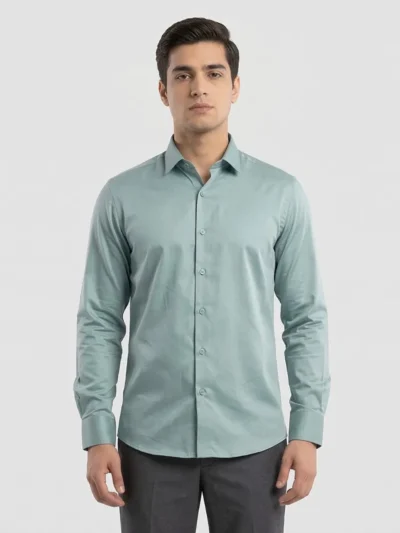
Giza-Silk | Aqua Mint Long-Staple Giza Cotton Shirt
Original price was: ₹1,499.₹1,199Current price is: ₹1,199. -

Essentials | BEIGE MANDARIN COLLER Shirt
Original price was: ₹1,499.₹999Current price is: ₹999. -

RUGGED-NAP | Gray CHECKED SHIRT
Original price was: ₹1,499.₹1,299Current price is: ₹1,299.
Why Linen Outperforms Cotton in Breathable Sleepwear
While cotton remains popular, linen’s superior airflow sets it apart. Cotton fibers are shorter and rounder, creating tighter weaves that trap heat. Linen’s longer, smoother fibers allow for looser, more open weaves without sacrificing structure. In practical terms, this means linen pajamas feel lighter even when wet, whereas cotton becomes increasingly weighted and warm. For Indians who spend evenings on balconies or terraces, linen’s ability to maintain comfort during sudden temperature drops—common during Mumbai rains or Delhi winters—is invaluable. The fabric’s thermal neutrality ensures you won’t overheat during the day or freeze at night, making it truly versatile for our diverse climate zones.
How Moisture Management in Linen Pajamas Enhances Sleep Health
Proper moisture management directly impacts sleep quality. When linen keeps skin dry, it reduces nighttime awakenings caused by discomfort. For shift workers or students preparing for exams during scorching April days, uninterrupted sleep becomes academic gold. Linen’s moisture-wicking action also prevents the skin irritation that occurs when sweat pools in fabric creases. This is particularly relevant for Indians wearing traditional garments like kurta-pajamas, where linen versions can be worn for both formal occasions and lounging at home. The fabric’s ability to maintain a stable microclimate around the body supports deeper, more restorative sleep cycles, which are essential for immune function during flu season or pollution spikes in northern cities.
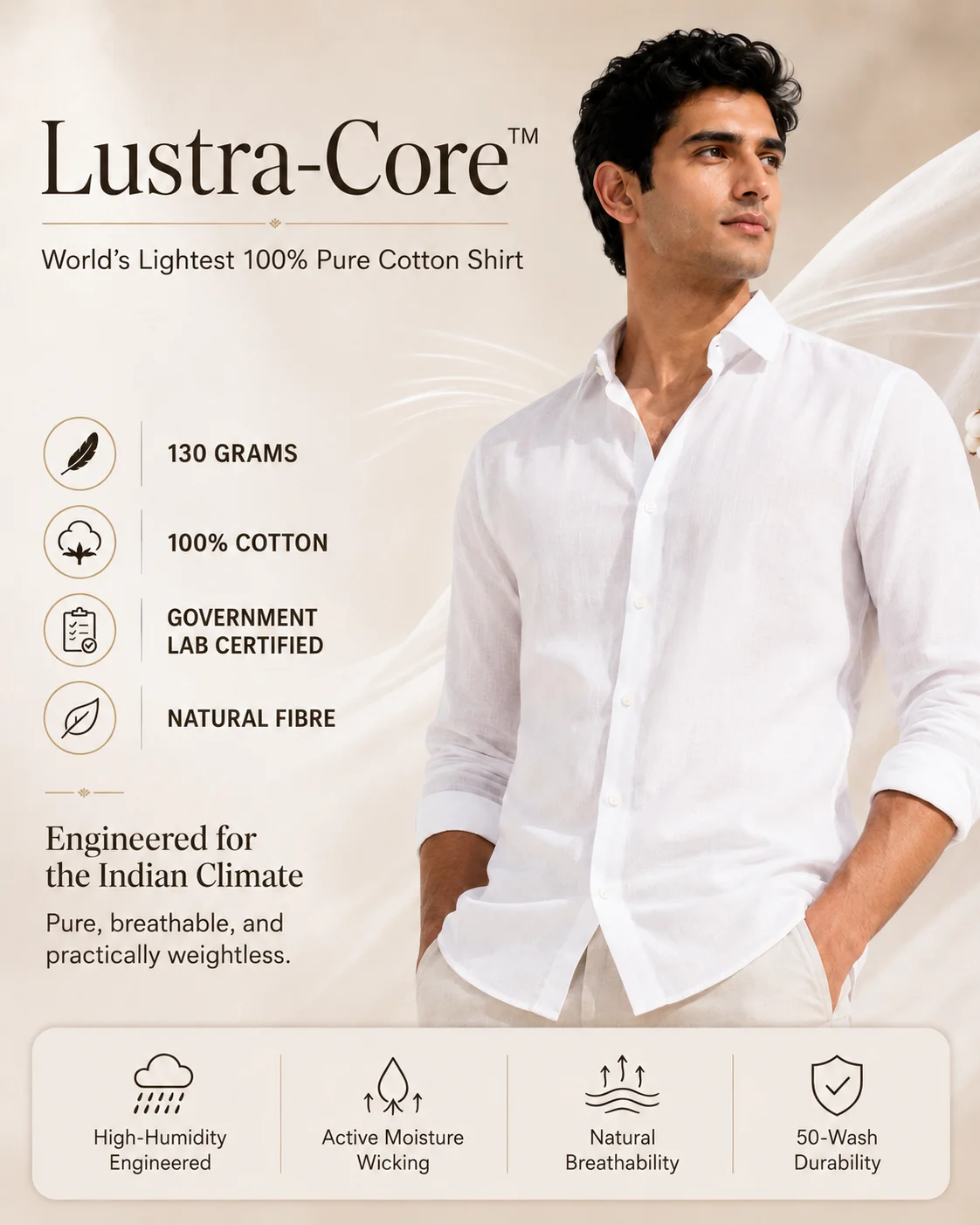
Lustra-Core™ Absolute White
Ultra-light pure cotton shirt engineered for Indian summers.
Styling Linen Sleepwear for Both Comfort and Casual Elegance
Linen’s relaxed aesthetic translates beautifully into Indian homes and lifestyles. Pair loose-fitting linen pajama sets with simple cotton tunics or even repurposed bandhani scarves as capes for effortless morning wear. The fabric’s natural wrinkles add character rather than appearing sloppy, aligning with the lived-in elegance many Indians prefer. For those transitioning from sleep to casual daytime activities, linen works exceptionally well in shirt form too. Pehanoge shirts in linen blends offer the perfect compromise between office-appropriate structure and weekend comfort. Layer with lightweight cardigans during cooler months, or wear solo during summer evenings when the fabric’s cooling effect is most needed.
Care Tips to Maintain Linen’s Cooling Properties Over Time
To preserve linen’s benefits, wash garments in cold water using mild detergents free from optical brighteners that can degrade fibers. Iron while slightly damp for crisp results, or embrace the casual look by hanging dry and smoothing with your hands. Unlike synthetic alternatives that pill and lose shape, linen ages gracefully, developing a soft texture that many find appealing. Store linen items folded rather than hung to prevent stretching, especially around elastic waistbands common in modern pajama designs adapted for Indian sizing.
Buying Guide for Linen Sleepwear in the Indian Market
When shopping for linen sleepwear, prioritize mid-weight weaves suitable for year-round use. Ultra-light linen may become sheer in Indian sunlight, while heavy linen feels oppressive during peak summer. Look for OEKO-TEX certification ensuring the fabric meets international safety standards for skin contact—a consideration increasingly important for Indian consumers concerned about chemical exposure. Brands offering tailored fits provide better longevity than loose weaves that stretch out quickly. Many Indian labels now offer linen collections inspired by traditional dhoti and sari silhouettes, blending cultural aesthetics with modern functionality.
Embracing Linen in India’s Climate-Conscious Fashion Future
In India’s context, where textile traditions run deep, linen represents a sustainable evolution of ancient wisdom. Traditional khadi movement emphasized homegrown fabrics, and today’s linen revival echoes that philosophy while addressing contemporary climate challenges. Whether worn as pajamas, shirts, or casual trousers, linen bridges generational gaps between traditional comfort and modern necessity.
FAQs
Why is linen considered the best fabric for cooling sleepwear compared to synthetic alternatives?
Synthetic fabrics like polyester trap heat and don’t breathe, creating a greenhouse effect against the skin. Linen’s natural fibers allow air circulation and moisture evaporation, actively cooling the body. Unlike synthetics that hold odors, linen resists bacterial growth naturally, making it hygienic for extended wear.
How does the breathability of linen pajamas help regulate body temperature during sleep?
Linen’s open weave structure permits continuous air flow around the body, preventing heat buildup. As moisture from sweat evaporates, it draws heat away from the skin. This constant regulation prevents the temperature spikes that wake hot sleepers, ensuring consistent comfort throughout the night.
Can linen sleepwear be worn in both summer and winter, or is it seasonal?
Linen’s temperature-neutral properties make it suitable year-round. During Indian summers, it provides cooling relief, while in milder winters, layering linen pieces under blankets maintains comfort without overheating. The fabric’s adaptability suits India’s varied climate zones, from Kerala’s humidity to hill station coolness.
What are the key care instructions to preserve linen’s moisture-wicking and breathable qualities?
Machine wash linen in cold water with gentle detergents, avoiding bleach or harsh chemicals that damage fibers. Line dry when possible, and iron lightly while damp. Avoid fabric softeners which coat fibers and reduce breathability. Proper care maintains linen’s natural texture and performance for years of comfortable sleep.