


Choosing clothing that is gentle on the skin is more than a fashion statement; it is a small but powerful act of self‑care. For many men who battle eczema or other forms of sensitive skin, the daily ritual of dressing can become a source of irritation rather than confidence. The textile you pick – its breathability, texture and the way it interacts with sweat – can either exacerbate flare‑ups or help calm them. Understanding the benefits of lymphoma‑friendly (i.e., skin‑friendly) clothing allows you to build a wardrobe that supports dermatological health without compromising on style.
The Case for Linen as an Eczema Friendly Fabric
Linen, derived from the flax plant, has been a staple of Indian attire for centuries, especially in the hot, humid months. Its natural structure makes it inherently suitable for eczema‑prone skin:
Recommended for You
-

Oxy-Linen™ | Rusty Red – 60 Lea European Linen Shirt
Original price was: ₹4,999.₹3,399Current price is: ₹3,399. -
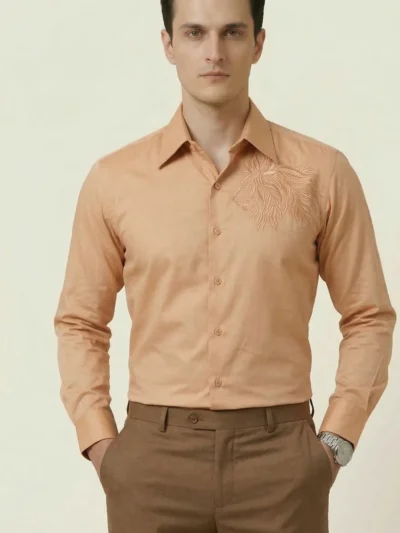
Noble Stitch | Copper Lion Giza Cotton Shirt
Original price was: ₹1,999.₹1,599Current price is: ₹1,599. -
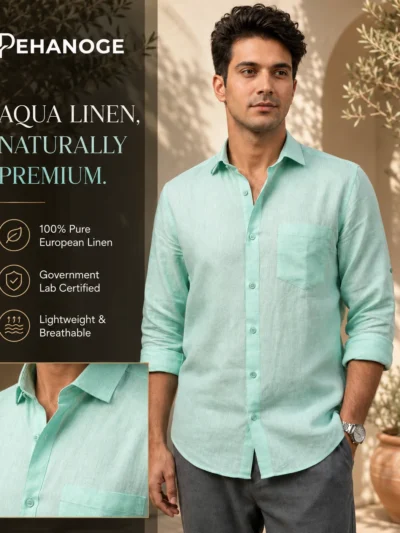
Oxy-Linen™ | Seafoam Green – 60 Lea European Linen Shirt
Original price was: ₹4,999.₹3,399Current price is: ₹3,399.
- Excellent moisture wicking – Linen fibers pull sweat away from the body and release it into the air, keeping the skin dry and less prone to itching.
- High breathability – The loose weave creates tiny air channels, allowing heat to escape and preventing the skin from overheating, a common trigger for eczema flare‑ups.
- Low allergenicity – Unlike synthetic fabrics that often contain chemical finishes, pure linen is virtually free of irritants.
- Softening with wear – While linen may feel slightly crisp at first, repeated washes and use cause the fibers to soften, creating a gentle touch that seldom scratches or rubs.
Brands that focus on premium linen, such as Pehanoge, have taken these qualities a step further by offering shirts and casual wear that are pre‑washed and treated with natural softeners, ensuring the fabric is ready to wear straight from the package. The result is a garment that feels cool against the skin from the moment you slip it on.
Why Soothing Fabrics Protect Sensitive Skin
The skin’s barrier function is compromised in eczema, making it susceptible to irritants, microbes and temperature changes. Soothing fabrics work on three fronts:
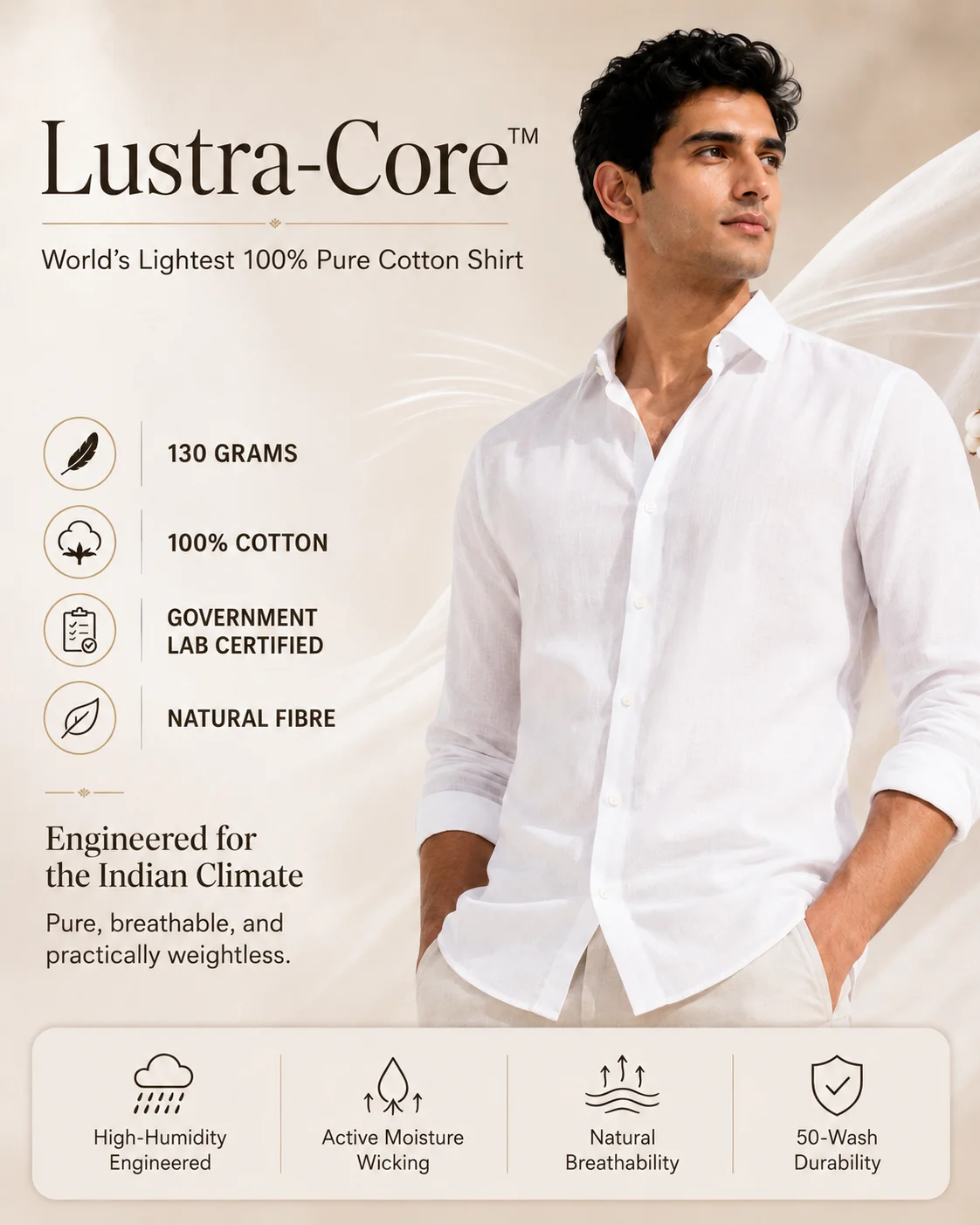
Lustra-Core™ Absolute White
Ultra-light pure cotton shirt engineered for Indian summers.
- Regulation of micro‑climate – Materials like linen, cotton, and bamboo maintain an optimal temperature, reducing the sweating that leads to moisture‑related itching.
- Reduced friction – Smooth, natural fibers glide over the skin, minimizing mechanical irritation that can trigger the itch‑scratch cycle.
- Hypo‑allergenic nature – Natural fibers are less likely to contain dyes, resins or flame‑retardant chemicals that can provoke allergic reactions.
When the skin stays dry, cool and free from harsh chemicals, the immune response that fuels eczema is kept in check, allowing the skin to repair itself more effectively.
Discover How Breathable Natural Fibers Improve Dermatological Health
Beyond linen, other breathable natural fibers contribute to skin wellness:
- Organic cotton – Grown without pesticides, it offers a soft, breathable surface with minimal risk of chemical irritation.
- Bamboo viscose – Naturally anti‑bacterial and ultra‑soft, it helps keep the skin environment healthy.
- Hemp – Similar to linen in its air‑flow properties, hemp is durable and becomes softer with each wash.
Incorporating a mix of these fabrics into daily wear creates a layered defence against eczema triggers. For instance, pairing a lightweight Pehanoge linen shirt with organic cotton chinos gives you the cooling effect of linen on the torso while the cotton legwear offers comfort and durability.
Styling Section
- Opt for loose‑cut linen button‑downs that allow air circulation around the torso.
- Choose rolled‑up sleeves for a relaxed look that still keeps the arms ventilated.
- Pair with tapered linen blend trousers for a cohesive, all‑natural outfit.
- For cooler evenings, layer a soft, breathable cotton cardigan over the linen shirt—still gentle on the skin, yet stylish.
These combinations work well for office days, weekend outings, or casual evenings at a rooftop café, ensuring you look polished without sacrificing comfort.
Buying Guide
When curating an eczema‑friendly wardrobe, keep these pointers in mind:
- Fabric composition – Look for 100 % linen or linen blends that contain at least 70 % natural fiber.
- Finish quality – Pre‑washed or enzyme‑treated garments have reduced stiffness and fewer residual chemicals.
- Seam construction – Flat seams or covered stitching prevent chafing along the sides and underarms.
- Colour selection – Light, natural shades reflect sunlight and stay cooler, while dark colours absorb heat.
Pehanoge’s collection ticks most of these boxes, offering shirts with flat lock stitching and minimal internal tags, both of which help avoid unnecessary friction.
Indian Context
India’s climate ranges from sweltering plains to humid coastal zones, making breathable clothing a practical necessity rather than a luxury. In cities like Delhi and Mumbai, temperature spikes often push men towards synthetic tees that trap heat, worsening skin irritation. Linen’s ability to stay cool while resisting wrinkles makes it ideal for the Indian lifestyle—whether you’re navigating a crowded commuter train, attending a business meeting, or simply lounging on a balcony after a long day.
Moreover, traditional Indian garments such as the kurta and bandhgala have long employed linen for the very reasons discussed here. Modern designers are now blending these heritage silhouettes with contemporary cuts, allowing men to enjoy cultural aesthetics without compromising skin health. For everyday wear, a Pehanoge linen shirt paired with lightweight cotton trousers can seamlessly transition from office to evening dinner, keeping your skin comfortable in the city’s ever‑changing climate.
FAQs
Is linen really suitable for eczema patients?
Yes. Linen’s natural breathability, moisture‑wicking ability and low allergenicity make it one of the most eczema‑friendly fabrics. It keeps the skin dry, reduces heat buildup and minimizes friction—key factors in preventing flare‑ups.
How does linen differ from other natural fibers for skin health?
While cotton and bamboo also offer softness, linen outperforms them in heat dissipation and moisture management because of its looser weave. Hemp shares similar breathability but is typically heavier. Linen’s quick drying time helps maintain a stable micro‑climate, which is especially beneficial in hot Indian summers.
Can consistent linen wear improve my eczema symptoms?
Consistent use of linen can reduce the frequency and severity of eczema episodes by limiting sweat accumulation, heat, and friction—all common triggers. Though it is not a cure, linen creates an environment that supports the skin’s natural healing processes.
What are the best ways to care for linen clothing to protect my skin?
- Cold or lukewarm wash – Avoid hot water that can set any residual chemicals.
- Mild, fragrance‑free detergent – Prevents irritation from harsh cleaning agents.
- Skip the dryer – Air‑dry linen in natural sunlight; the UV rays help soften fibers and naturally disinfect.
- Iron on the reverse side – Reduces direct heat on the fabric surface, preserving its softness.
By following these simple steps, you maintain the fabric’s gentle texture, ensuring it remains skin‑friendly over many wears.