


It’s a sweltering summer day, and your shirt feels like a wet blanket. Or conversely, you’re shivering in a linen shirt that feels like sandpaper. The culprit? GSM. This guide breaks down fabric GSM – what it is, why it matters, and how to choose the perfect weight for your climate and style.
Understanding Fabric GSM: A Beginner’s Guide to Weight
GSM, or grams per square meter, measures the density of a fabric. Think of it like the weight of one square meter of cloth; the higher the number, the heavier the material. But weight alone doesn’t dictate comfort. Factor in fiber type, weave, and finish, and you’ll understand why a 120 GSM shirt can feel airy while a 180 GSM one can feel padded.
Recommended for You
-

Giza-Silk | Ivory Cream Long-Staple Giza Cotton Shirt
Original price was: ₹1,499.₹1,199Current price is: ₹1,199. -
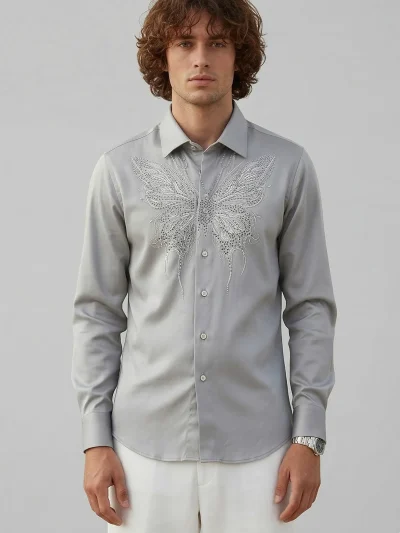
Noble Stitch | Silver Butterfly Giza Cotton Shirt
Original price was: ₹1,999.₹1,599Current price is: ₹1,599. -

Noble Stitch | Orbit Geometric Giza Cotton Shirt
Original price was: ₹1,999.₹1,599Current price is: ₹1,599.
- Lightweight (≤ 120 GSM) – Best for hot climates; breathable but more prone to wrinkling.
- Medium (121–150 GSM) – Versatile; suitable for mild to hot days.
- Heavyweight (151 GSM+) – Adds structure, warmth, and less creasing—ideal for cooler evenings or formal occasions.
Linen Weight Comparison: From Lightweight to Heavy‑Duty
Linen, renowned for its breathability, comes in a spectrum of GSM ranges that influence drape and durability.
| GSM Range | Fabric Feel | Ideal Use | Wrinkle Tolerance |
|———–|————–|———–|——————–|
| 80–120 | Feather‑light | Summer office, beachwear | Medium |
| 121–160 | Soft, natural | Daily wear, casual khadi blends | Low |
| 161–200 | Structured, velvety | Transitional seasons, semi‑formal | Poor |
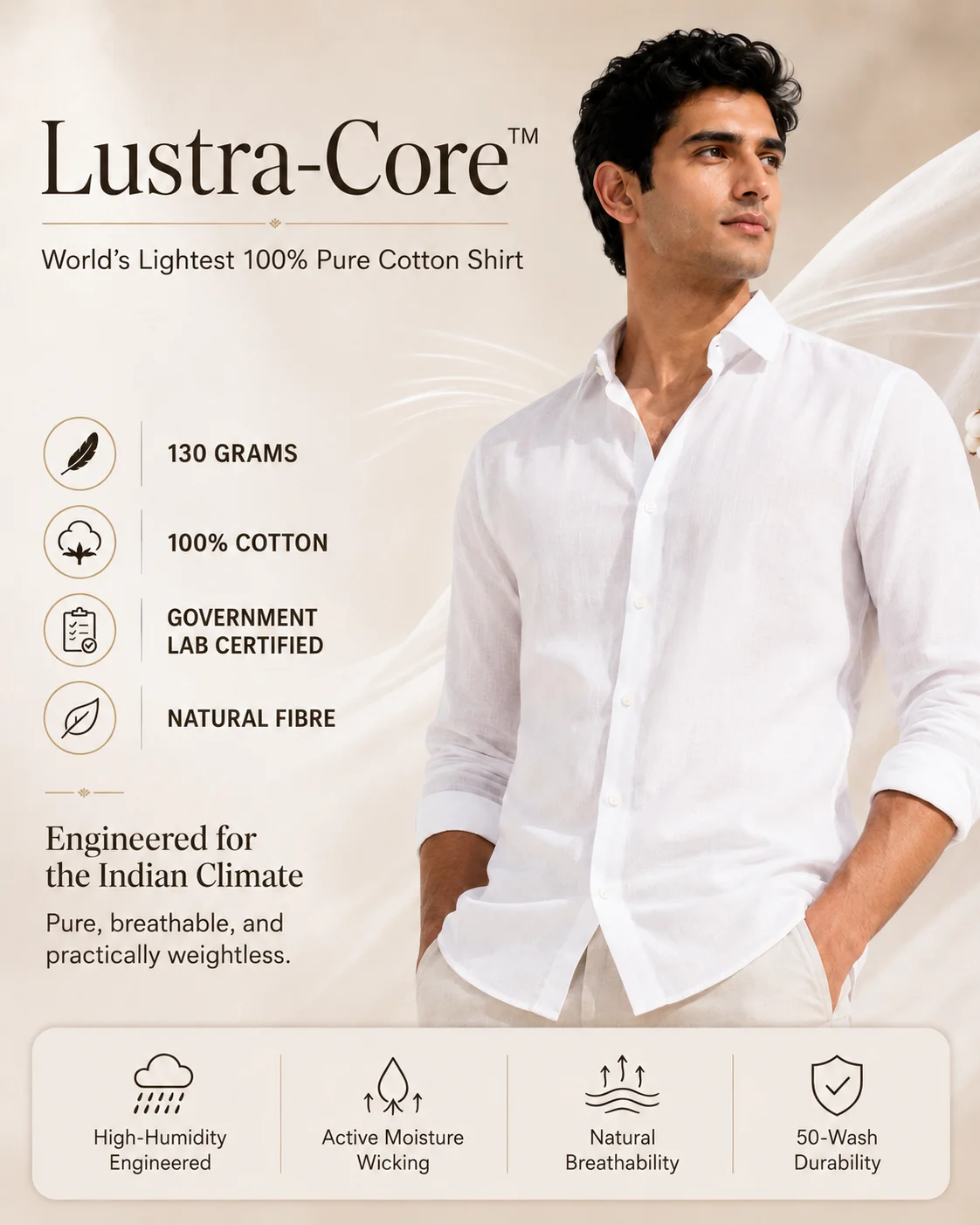
Lustra-Core™ Absolute White
Ultra-light pure cotton shirt engineered for Indian summers.
120 vs 150 GSM: Decoding the Numbers for Everyday Shirts
Consider a 120 GSM cotton shirt vs a 150 GSM variant.
- 120 GSM: Airier, breathes better in humid monsoon basements or Delhi’s heat, but folds easily.
- 150 GSM: Slightly heavier, retains shape, less wrinkling—perfect for office days that last into the evening or in cooler northern regions.
The difference seems small, but in real life, a 30 GSM increment can mean the difference between a shirt that stays crisp and one that looks like a couch cushion.
Choosing Shirts Based on GSM: A Climate‑Specific Breakdown
- Assess your climate
- Coastal zones (Mumbai, Goa): Prefer lighter GSM (≈ 100–130) for humidity.
- Northern plains (Delhi, Chandigarh): Opt for 120–150 GSM; can handle cooler mornings and evenings.
- High altitude (Ladakh): 150–180 GSM gives needed insulation.
- Intended use
- Office: 140–160 GSM cotton or Khadi blends keep you fresh yet professional.
- Casual/outdoor: 100–120 GSM for maximum breathability.
- Research the range
- Look at vendor spec sheets; many Indian brands list GSM alongside fiber composition.
- Read reviews
- Pay attention to comments on shrinkage, feel, and pilling.
Beyond the Numbers: Other Factors Affecting Comfort (Weave & Fiber)
- Weave: Twill or sateen weave can increase feel‑weight without raising GSM; they also reduce vertical fiber piles that trap heat.
- Fiber: Natural fibers like organic cotton, silk, and Khadi have higher GSM but lighter feel compared to synthetic blends.
- Finish: A dress‑finished cotton may retain same GSM as a regular one but feel smoother, reducing itchiness.
Styling Impact of GSM
- 120 GSM cotton shirt: Breathable, loose fit, suited to hot weather. Ideal for pairing with chinos or joggers for a relaxed look.
- 180 GSM linen shirt: Structured drape, subtle stiffness—great for cooler evenings or pairing with tailored trousers.
- Wrinkle resistance: Higher GSM fabrics, especially those with a finish or tighter weave, wrinkle less, making them office‑ready.
Visuals (imagine a grid):
- Left: A 120 GSM cotton tee draped over a terry‑cloth white T‑shirt; airy, fluid.
- Centre: A 150 GSM Khadi blend jacket, showing minimalist tailoring.
- Right: A 190 GSM linen shirt draped over a waistcoat, showcasing structure.
Step‑by‑Step Selecting the Right GSM
- Clarity on usage
- Everyday, travel, festivals—list scenarios.
- Know your climate zone
- Use the table from the climate guide.
- Benchmark typical GSM
- For cotton shirts: 120–140 GSM for summer, 140–170 GSM for all‑season.
- For linen: 121–180 GSM for casual wear.
- Cross‑check fiber type
- A GSM‑35 cotton blend might feel heavier than a GSM‑35 pure cotton.
- Inspect samples
- Feel the weight, drape, and check how it reacts to moisture.
| Fabric | Common GSM | Typical Use | Key Feature |
|——–|————|————-|————-|
| Cotton | 112–140 | Casual shirts, t‑shirts | Breathable |
| Khadi | 120–170 | Everyday wear | Eco‑friendly |
| Linen | 121–200 | Festive, semi‑formal | Crisp, cool |
| Silk | 180–250 | Formal shirts | Premium drape |
Tailoring the Guide to Indian Context
India’s climate is a paradox: scorching deserts, humid coasts, and snowy winters all in one country. To stay comfortable across this spectrum, 150–180 GSM cotton or linen blends become a versatile middle ground.
- Coastal cities: Lighter GSM (80–120) still works when paired with ventilated looms.
- Northeast: Slightly heavier GSM for hygroscopic humidity.
- Khadi enthusiasts: Khadi GSM ranges between 110–160; favor 150 GSM for all‑season wear.
Breathability remains paramount in hot, humid conditions, so aim for airy weaves and natural fibers where possible.
FAQs
What exactly does GSM stand for?
GSM means “grams per square meter.” It’s the weight of one square meter of fabric; a higher number indicates a heavier, denser cloth.
Is higher GSM always better? Why or why not?
Not always. While a higher GSM often means more structure and less wrinkling, it can also trap heat and reduce breathability—undesirable in India’s heat. The optimum GSM balances comfort and durability for your specific climate.
How does the fabric weave affect the perceived weight of a garment?
Weaves like twill or sateen can give a fabric a fuller feel, making it seem heavier even if the GSM is low. Conversely, a plain weave can lighten a high‑GSM fabric.
Can I find fabrics with a specific GSM online?
Yes. Major online marketplaces in India list GSM on product pages. Check the specification box or contact the seller for details.
With this breakdown, you can stop guessing and start selecting shirts that feel just right—whether you’re pacing a Mumbai office or enjoying a Kerala sunset. Pehanoge shirts and casual wear become a deliberate choice, not a random purchase, letting you step out in comfort no matter the heat, humidity, or chill.