


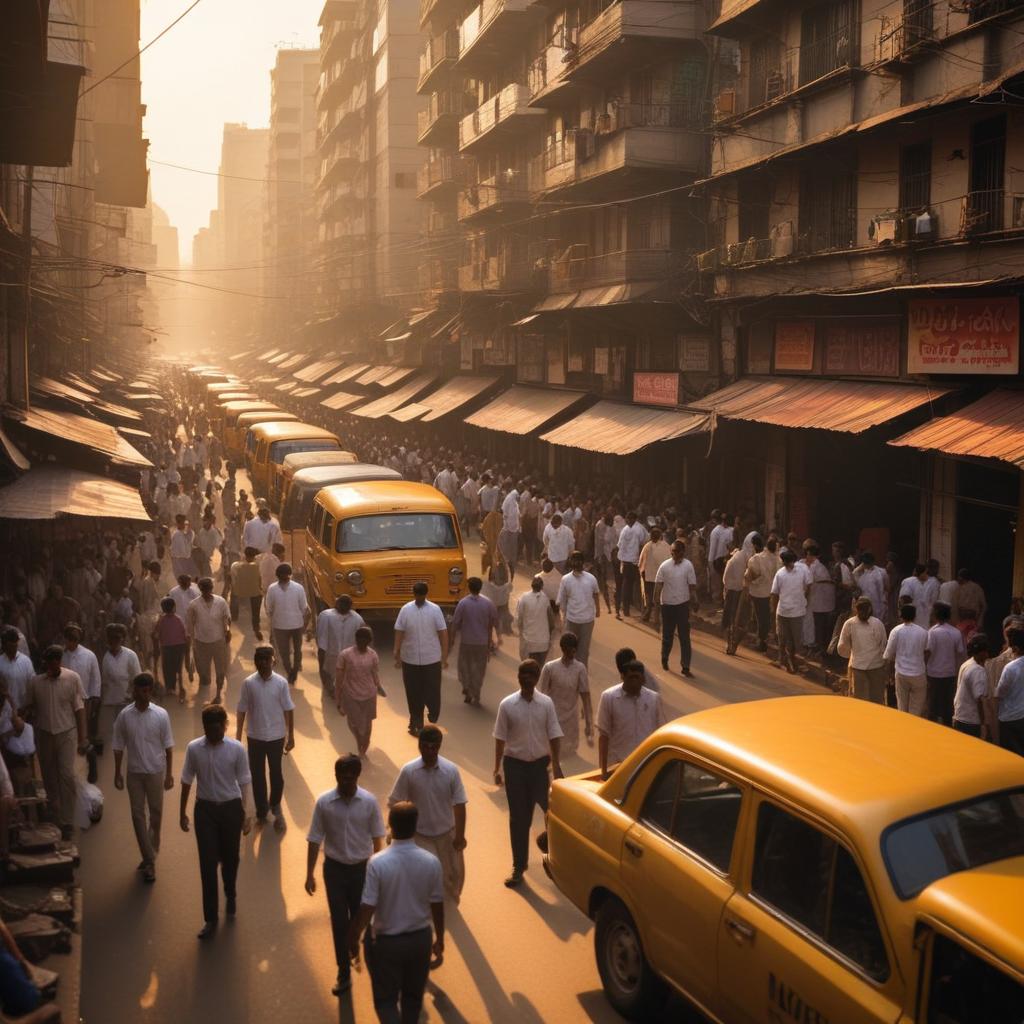
The linen safari jacket, once a staple of 20th-century exploration and colonial-era utility, is undergoing a renaissance in 2026. This isn’t just a fashion trend; it’s a cultural shift where heritage meets modernity. In India, where utility wear has always been a cornerstone of daily life, the jacket has found new relevance. Brands like Pehanoge shirts, known for their understated yet polished casualwear, are subtly influencing how modern men integrate this timeless piece into their wardrobes. Whether you’re navigating the humid streets of Mumbai or the cool evenings of Delhi, the linen safari jacket offers a balance of breathability and structure that feels both practical and stylish. Its revival is driven by a collective desire to embrace materials that are sustainable, versatile, and effortlessly wearable—qualities that align perfectly with today’s urban Indian lifestyle.
Why the Linen Safari Jacket Wins in 2026 Men’s Summer Outerwear
The linen safari jacket excels in 2026 because it checks every box for modern summer outerwear: it’s lightweight, breathable, and adaptable. Unlike synthetic alternatives that trap heat, linen’s natural fibers allow air circulation, making it ideal for India’s scorching summers. Its slightly rugged texture also adds a layer of depth to monochrome or pastel summer outfits, a trend Pehanoge shirts have popularized through their minimalist designs. The jacket’s ability to transition from day to night—pair it with linen joggers for a casual outing or tailored trousers for a dinner—makes it a versatile investment. Moreover, with climate change pushing more people to prioritize eco-friendly materials, linen’s biodegradable nature positions it as a responsible choice. For men who want to look put-together without sacrificing comfort, this jacket is unbeatable.
Recommended for You
-
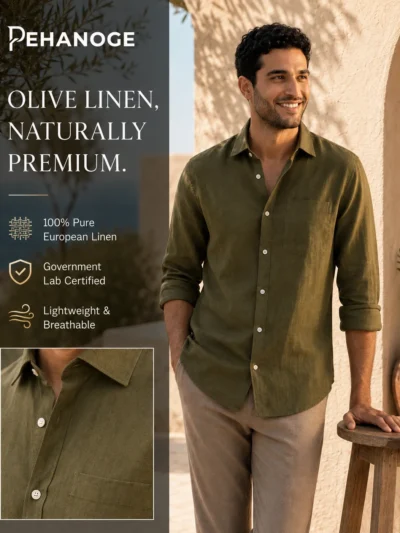
Oxy-Linen™ | Olive Green – 60 Lea European Linen Shirt
Original price was: ₹4,999.₹3,399Current price is: ₹3,399. -
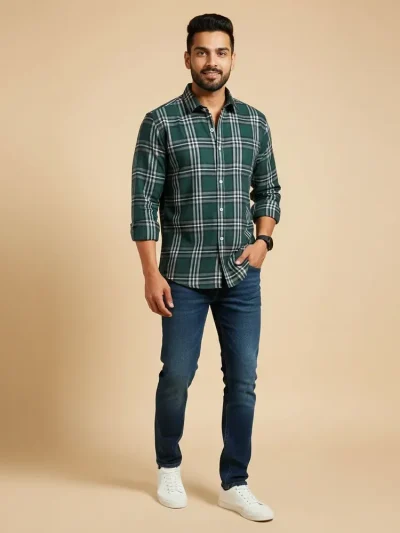
RUGGED-NAP | GREEN CHECKED SHIRT
Original price was: ₹1,499.₹1,299Current price is: ₹1,299. -
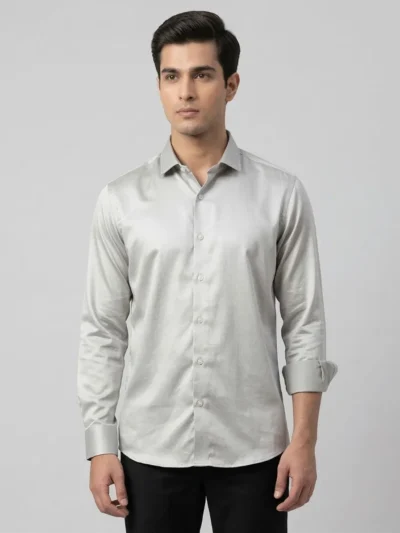
Giza-Silk | Light Grey Long-Staple Giza Cotton Shirt
Original price was: ₹1,499.₹1,199Current price is: ₹1,199.
From Vintage Explorer Style to Contemporary Streetwear
The linen safari jacket’s journey from the dusty trails of Africa to Indian cityside fashion is a testament to its adaptability. In the 1900s, it was a symbol of adventure, worn by explorers and colonial officers. By the 2000s, designers began reimagining it with narrower cuts, tapered waists, and subtle tailoring, blending its functional pockets with modern silhouettes. Today, Indian designers are taking this further. A Pehanoge shirt’s clean lines might pair perfectly with a poorly tailored linen safari jacket, creating a relaxed yet intentional look. Streetwear brands have also adopted the jacket, often using blocky cuts and contrasting linings to give it an edgy twist. In South India, where outdoor activities like trekking and beach walks are popular, the jacket has become a practical yet stylish companion. Its evolution reflects a broader trend where vintage aesthetics are recontextualized for urban settings, making it a must-have for the modern man.
Mixing Mobility and Eco-Fashion: The Ultimate Utility Staple
Linen is inherently practical. It dries quickly, resists dust, and becomes softer with every wash—qualities that make it perfect for men on the move. The safari jacket’s multiple pockets, once designed for storing maps and tools, now serve as smartphone holders or wallet compartments in 2026. This utility aspect is amplified in India’s diverse landscapes. Imagine wearing it on a hiking trip in the Himalayas or a weekend picnic in Jaipur; the jacket’s durability and light weight make it a reliable choice. From a sustainability angle, linen requires less water and pesticides to cultivate compared to cotton, aligning with global eco-fashion movements. Brands are now sourcing Indian-grown linen, supporting local farmers while ensuring quality. For urban dwellers who value both form and function, the linen safari jacket is more than a trend—it’s a lifestyle choice that merges mobility with environmental consciousness.
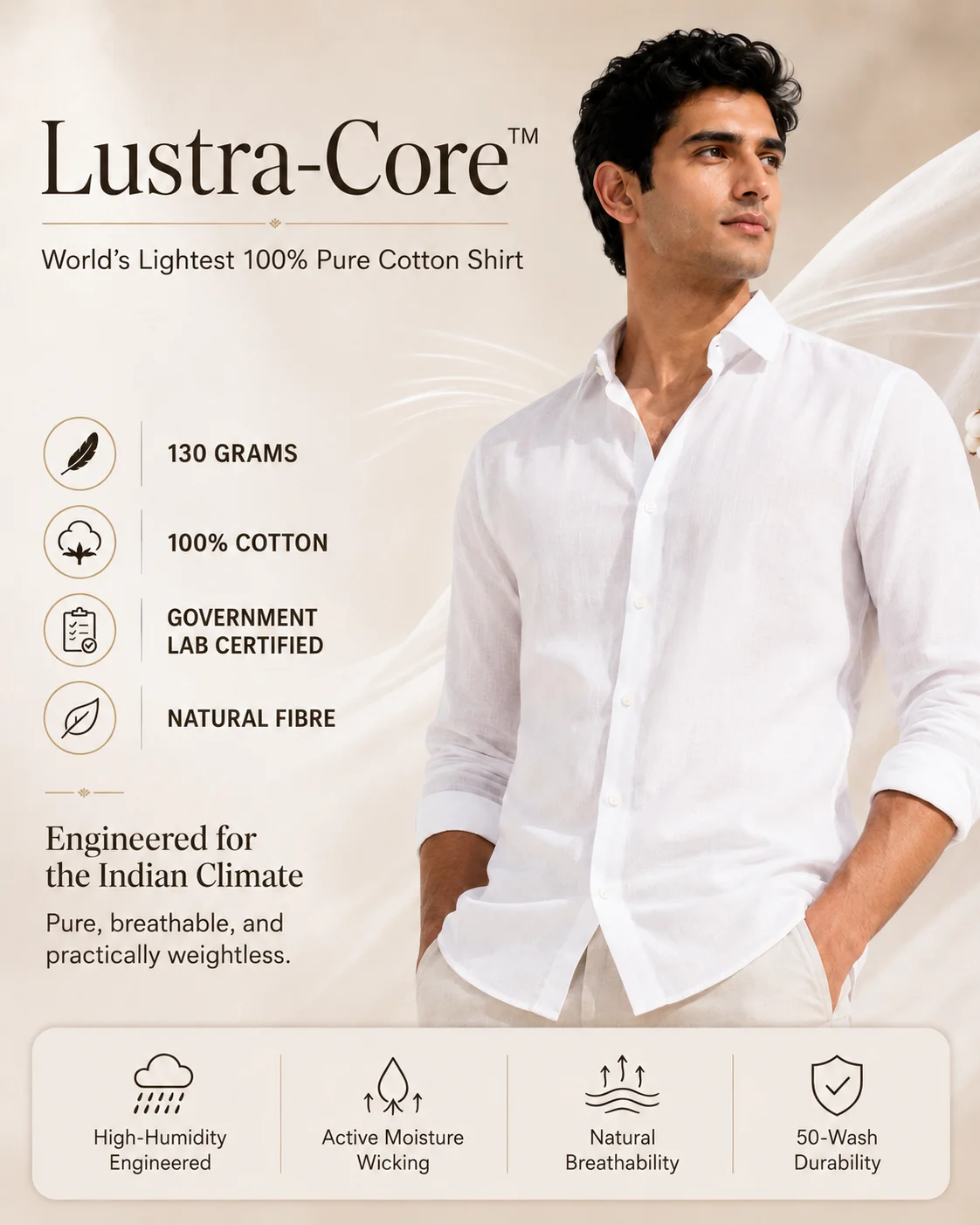
Lustra-Core™ Absolute White
Ultra-light pure cotton shirt engineered for Indian summers.
Cultural Resonance: How the Linen Safari Jacket Reflects South Asia’s Outdoor Lifestyle
South Asia’s relationship with outdoor living is deeply ingrained in its culture. From the tea plantations of Kerala to the deserts of Rajasthan, people have always needed garments that are tough yet comfortable. The linen safari jacket taps into this heritage. In cities like Bengaluru or Hyderabad, where weather can swing drastically in a day, the jacket offers a middle ground—neither too hot nor too cold. It’s also making inroads in rural areas; farmers and artisans are adopting it as part of their workwear, appreciating its resilience. The jacket’s ties to South Asian craftsmanship, such as block-printed linings or hand-stitched details, add a layer of cultural meaning. Brands like Pehanoge shirts are leveraging this by offering versions with embroidered motifs, blending traditional art with modern design. For the Indian man, the linen safari jacket isn’t just clothing; it’s a nod to the region’s adventurous spirit and resourcefulness.
Pair the linen safari jacket with tailored linen joggers for a monochromatic approach, or mix textures by combining it with a crisp cotton shirt. Pehanoge shirts, known for their relaxed fits, work exceptionally well here—opt for a pastel hue to mirror the jacket’s earthy tones. For a bolder look, layer a graphic tee underneath, letting the jacket act as a neutral outer layer. Accessories should keep it grounded: a denim cap or a woven tote bag complements the jacket’s vintage vibe. Footwear is key—canvas sneakers or leather loafers finish the look, balancing ruggedness with sophistication. In colder regions, layer a woolen scarf or knit beanie for practicality without compromising style.
Getting the Right Linen Safari Jacket: A Buying Guide
When shopping for a linen safari jacket in 2026, focus on material quality. Look for linen with a GSM (grams per square meter) between 125–140, ensuring it’s light but sturdy enough for daily wear. Sworn linen (untreated) is ideal for those who prefer a natural texture, while mercerized linen offers a slightly sheenier finish that resists wrinkles. Check the weight—heavier jackets might feel restrictive in summer, but a mid-weight option provides better layering possibilities. Closure options matter too; a double-breasted front adds a touch of formality, while flap pockets enhance practicality. Reinforcement stitching around the seams and buttons ensures durability, especially in India’s humid climates where mildew can be a concern. Inspect the hem: a crisp, rolled finish suggests careful manufacturing. Avoid overly processed fabrics; instead, prioritizeorganic or locally grown linen for authenticity.
The Linen Safari Jacket in India’s Climate: A Year-Round Super Utility Piece
India’s climate diversity is one of its defining features, and the linen safari jacket adapts seamlessly. In southern states like Tamil Nadu, where humidity is high year-round, the jacket’s breathability makes it a summer essential. During monsoon seasons, its quick-drying nature and mold-resistant properties make it practical for sudden weather changes. In northern regions like Punjab or Kashmir, where winters can dip below zero, the jacket serves as a light outer layer when paired with thicker layers. Even in high-altitude areas like Leh or Manali, its lightweight design prevents overheating during daytime hikes. The jacket’s versatility extends to cities too; in Delhi or Chennai, it can transition from an air-conditioned office to a breezy rooftop dinner. For Indians who live in climates that demand adaptable fashion, the linen safari jacket is a rare gem that meets both aesthetic and functional needs.
FAQs
What makes a linen safari jacket different from a regular safari jacket?
A linen safari jacket is specifically made from linen, which differs from cotton or synthetic versions typically found in regular safari jackets. Linen is naturally breathable, lightweight, and has a unique texture that improves with wear. It’s also more sustainable and better suited for warm climates like India’s. Regular safari jackets might use cheaper materials or tighter weaves, making them less comfortable for extended use.
Can I wear a linen safari jacket in winter?
Yes, especially in milder winter climates or as part of a layered outfit. In northern India, where winter temperatures can be cool but not freezing, the jacket pairs well with thicker wool sweaters or sweaters. For colder regions, add a sweater or fleece underneath. The jacket’s neutral tones also make it easy to integrate into winter palettes.
How should I maintain a linen safari jacket to preserve its texture?
Linen is a durable fabric, but it requires proper care. Wash it in cold water with mild detergent, avoiding heavy agitation to prevent pilling. Air-dry it in the shade to maintain color and prevent shrinkage. Ironing on a low setting can help keep it crisp, but avoid heat to protect the fibers. For minor creases, a damp cloth can often suffice.
Where can I find high-quality linen safari jackets online in 2026?
Look for brands that emphasize sustainable sourcing and traditional craftsmanship. Indian e-commerce platforms like Pehanoge shirts’ official site, FabIndia, or Ethique Clothing offer curated collections. Filter for linen made from 100% natural fibers and check customer reviews for feedback on fabric quality and fit. Always verify GSM and closure details to ensure authenticity.