



Zero‑waste fashion isn’tjust a trend—it’s a movement. Linen has quietly become its unsung hero, a biodegradable material that can reshape circular economies and cut textile waste. From zero‑waste wardrobes to eco‑focused brands that weave linen into everything from shirts to haute couture, the conversation is moving beyond surface‑level sustainability. Climate change and overproduction are flooding our oceans with waste, but we can rethink how we dress—and linen offers a tangible way forward.
Circular Economy Linen: A Biodegradable Waste‑Reduction Powerhouse
Linen is derived from the flax plant, which thrives in cool climates and requires far less water than cotton. Once the fibers are processed, the leftover stalks can be composted, turning waste into nutrient‑rich soil. Because linen is fully biodegradable, garments made from it return to the earth without lingering in landfills. In a circular economy, every stage—from farming to finishing—aims to keep resources in use for as long as possible, and linen fits that loop naturally. This reduces the overall environmental footprint and limits the volume of micro‑fibers that end up in our waterways.
Recommended for You
-
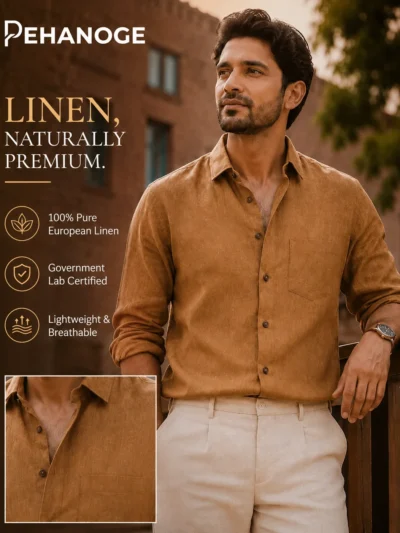
Oxy-Linen™ | Rust Brown – 60 Lea European Linen Shirt
Original price was: ₹4,999.₹3,399Current price is: ₹3,399. -
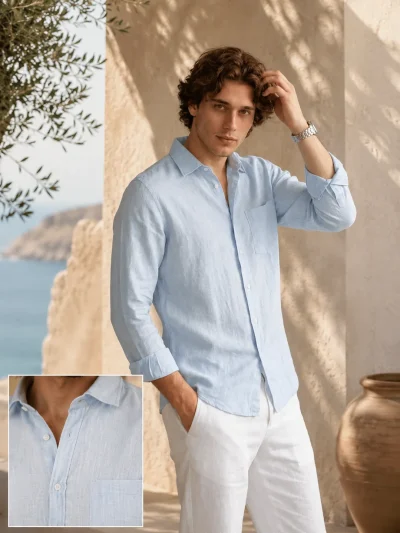
Oxy-Linen™ | Sky Blue – 60 Lea European Linen Shirt
Original price was: ₹4,999.₹3,399Current price is: ₹3,399. -

Essentials | RUST Enriched Cotton MANDARIN COLLER Shirt
Original price was: ₹1,499.₹999Current price is: ₹999.
Sustainable Linen Fabrics: Who Exactly Is Behind the Bratcis?
The rise of circular economy linen isn’t limited to big Western labels. In India, a growing network of artisans and designers is championing sustainable linen production. Many of these creators source flax from responsibly managed farms and use low‑impact dyeing techniques. Their work often lands up in well‑curated collections that showcase breathable, timeless pieces. Even casual wear lines like Pehanoge shirts incorporate linen blends, delivering comfort without sacrificing style. By spotlighting these makers, we can trace the journey of each thread and appreciate the full lifecycle of a truly sustainable fabric.
The Biodegradable Clothes of the Future: 3 Zero‑Waste Linen Brands to Support
- Brand A – Focuses on organic flax and zero‑waste pattern cutting, ensuring every scrap is repurposed into accessories.
- Brand B – Offers a line of breathable linen shirts that double as both workwear and weekend wear, emphasizing durability and recyclability.
- Brand C – An Indian‑based label that integrates traditional weaving methods with modern sustainability metrics, producing garments that are both culturally resonant and environmentally friendly.
These brands exemplify how circular principles can be embedded in everyday clothing, turning waste‑prone processes into opportunities for renewal.
Linen’s Circular Economy Effects: How It Saves Our Oceans from Millions of Eases
Each year, millions of tons of textile waste find its way into oceans, contributing to micro‑plastic pollution. Linen’s inherent biodegradability means that, unlike synthetic fibers, it does not persist for centuries. When a linen garment reaches the end of its life, it can decompose naturally, leaving no lingering plastic residue. By shifting production toward linen and other biodegradable fibers, we can dramatically cut the volume of synthetic waste that infiltrates marine ecosystems, protecting aquatic life and preserving coastal habitats for future generations.
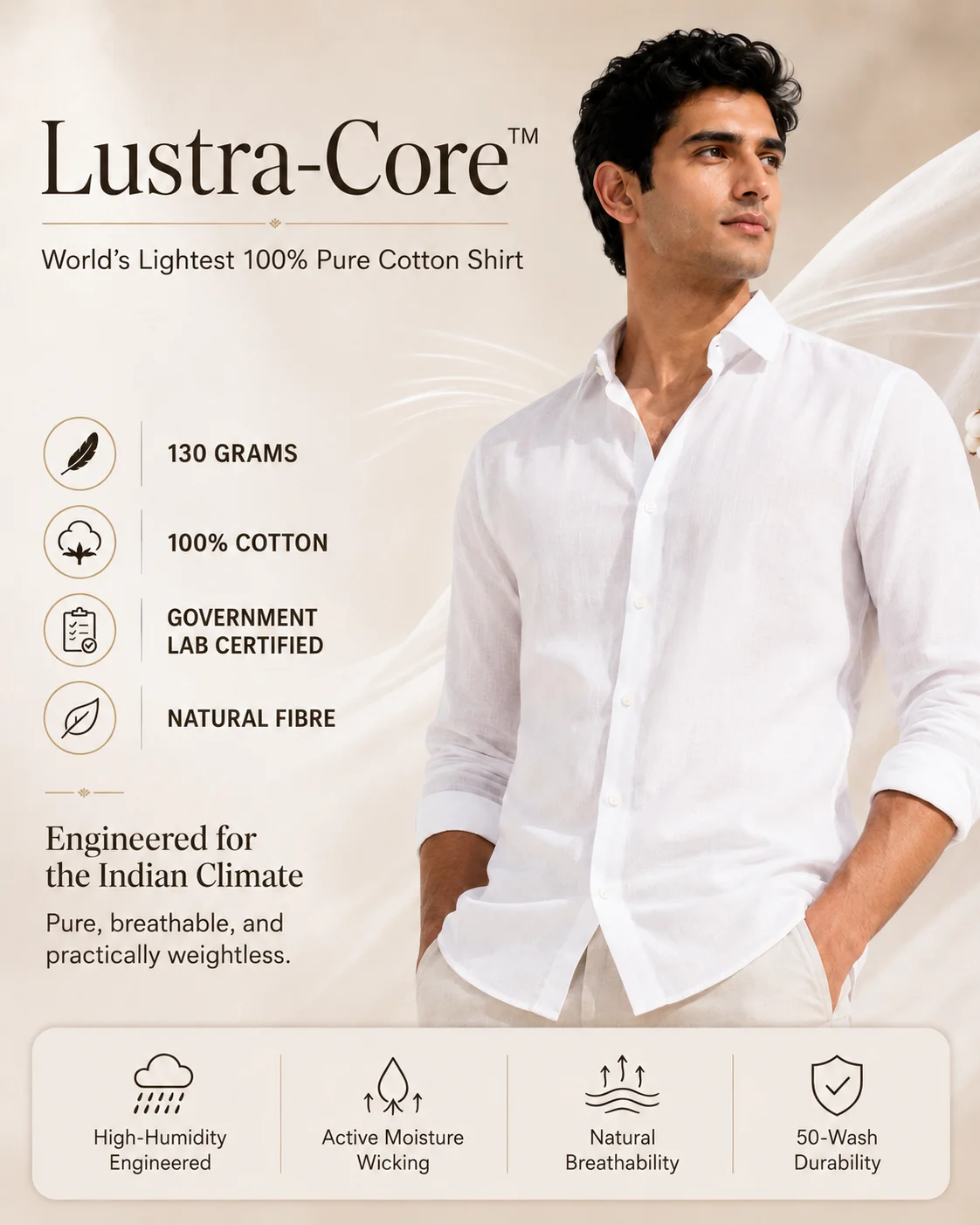
Lustra-Core™ Absolute White
Ultra-light pure cotton shirt engineered for Indian summers.
Linen Blends Are The Future—Here’s How You Can Get Them Now
Combining linen with other natural fibers creates versatile fabrics that retain the breathability of linen while adding stretch, softness, or added strength. For instance, a linen‑cotton blend can offer the crisp feel of linen with the cozy drape of cotton, making it ideal for everything from relaxed Pehanoge shirts to flowing summer skirts. To experiment, start with pieces that already feature linen accents—such as linen flares, skirts, or lightweight jackets—and pair them with basics from your existing wardrobe. This approach encourages a mindful wardrobe refresh without the pressure of a complete overhaul, letting you enjoy comfort, versatility, and a touch of femininity wherever you go.
FAQs
How can I tell if a fabric is labeled as circular economy linen? Look for certifications that indicate the material is sourced from certified organic flax farms and processed with low‑impact methods. Transparency in the supply chain, such as traceable origin maps or third‑party audits, also signals a genuine circular claim.
What are the biggest challenges in scaling sustainable linen production?
Growing sufficient flax without depleting water resources, investing in eco‑friendly processing facilities, and aligning cost structures with mainstream textile markets are the primary hurdles. Collaboration between farmers, manufacturers, and designers is essential to overcome these barriers.
Can circular economy linen completely replace cotton in the fashion industry?
While linen offers significant environmental advantages, it cannot single‑handedly replace cotton across all applications. A blended approach—using linen where its properties excel and cotton where its versatility is needed—provides a realistic transition pathway.
What certifications should customers look for when buying biodegradable clothes made from linen?
Seek labels such as GOTS (Global Organic Textile Standard), OEKO‑Tex Standard 100, and specific circular economy certifications like the Cradle‑to‑Cradle® badge. These ensure the entire lifecycle, from raw material to disposal, meets rigorous sustainability criteria.