



Understanding the Hidden Dangers in Your Wardrobe
When we think about our clothing choices, style, comfort, and fit usually come to mind. But have you ever considered the safety of the fabrics you wear every day? Many clothes, especially those that are wrinkle-resistant or have a crisp finish, are treated with chemicals like formaldehyde. While these chemicals help maintain the garment’s appearance, they can pose significant health risks. In India, where the climate is often hot and humid, the skin’s exposure to these chemicals can be even more concerning. It’s crucial to be aware of what goes into our clothes and how it affects our well-being.
Recommended for You

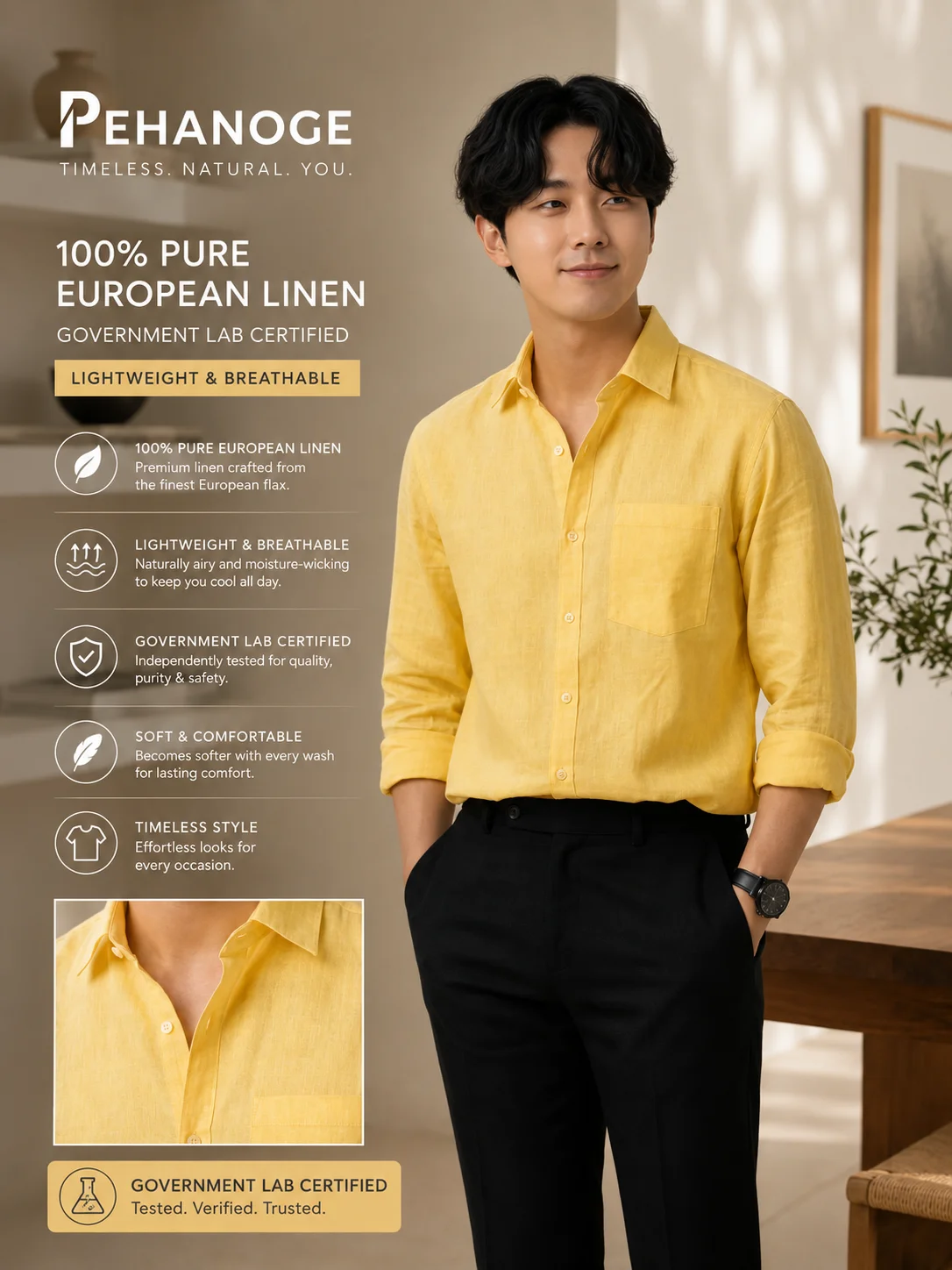
Oxy-Linen™ | Lemon Yellow – 60 Lea European Linen Shirt
Original price was: ₹4999.00.₹3399.00Current price is: ₹3399.00.-
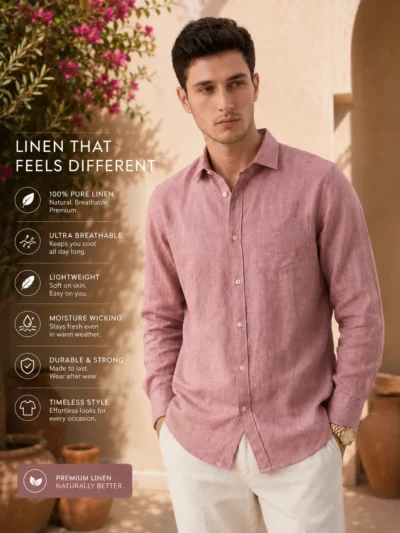
Oxy-Linen™ | Dusty Rose – 60 Lea European Linen Shirt
Original price was: ₹4999.00.₹3399.00Current price is: ₹3399.00. -
RUGGED-NAP | RUST CHECKED SHIRT
Original price was: ₹1499.00.₹1299.00Current price is: ₹1299.00.

What is Formaldehyde and Why is it Used in Clothing?
Formaldehyde is a chemical commonly used in the textile industry for fabric finishing. It helps in making clothes wrinkle-resistant, shrink-proof, and with a smooth texture. However, formaldehyde is a known carcinogen and can cause skin irritation, respiratory issues, and other health problems. In India, where traditional wear like sarees and kurtas are often passed down through generations, the long-term exposure to such chemicals can be particularly harmful.
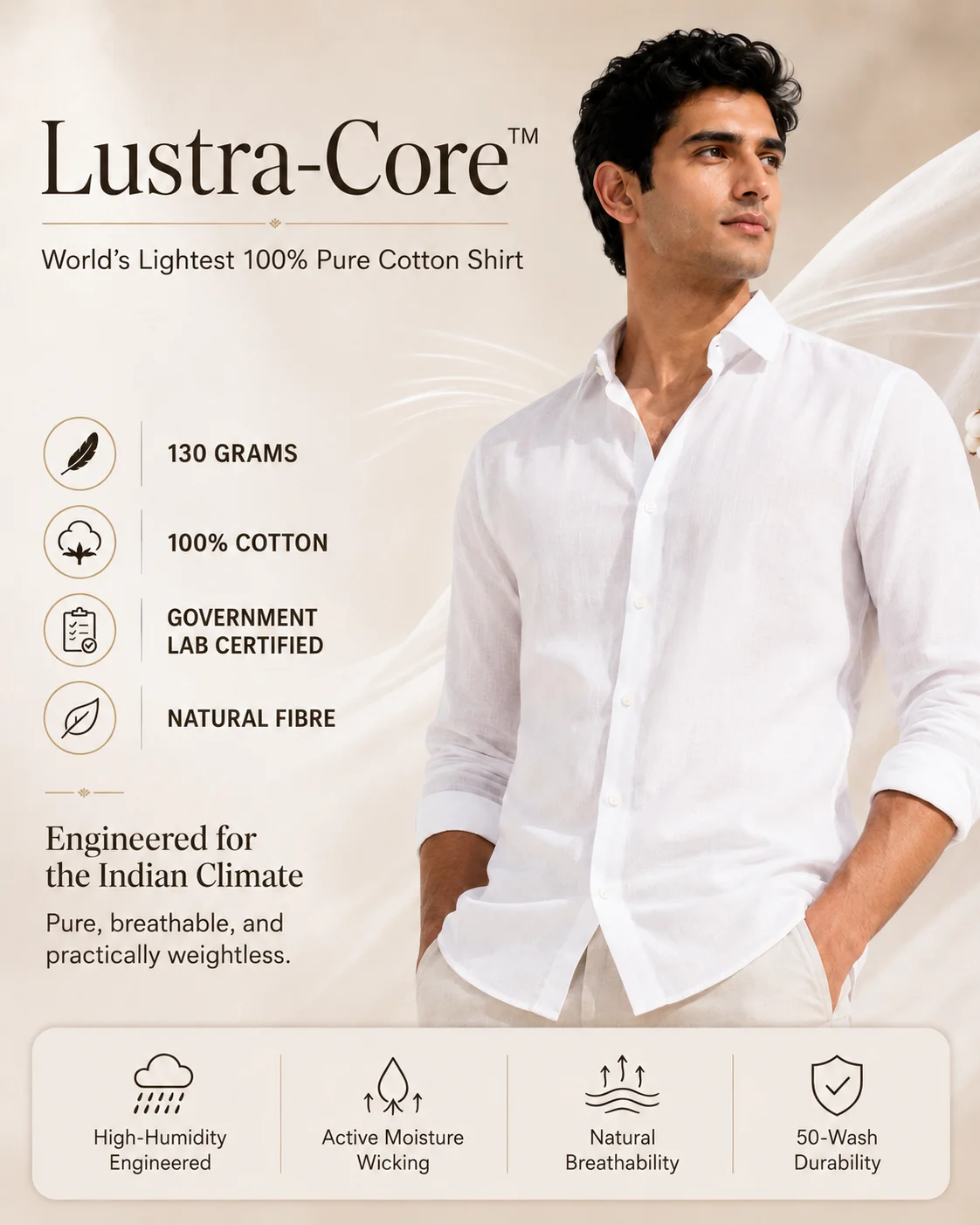
Lustra-Core™ Absolute White
Ultra-light pure cotton shirt engineered for Indian summers.
Lustra-Core™: A Safer Alternative for Fabric Finishing
In response to the growing concerns about chemical use in textiles, Lustra-Core™ has emerged as a safer alternative for fabric finishing. This innovative technology provides the same benefits as formaldehyde-treated fabrics—such as wrinkle resistance and durability—without the associated health risks. Lustra-Core™ is designed to be eco-friendly and safe for both the wearer and the environment. As more Indian consumers become conscious of sustainable and safe fashion choices, Lustra-Core™ offers a promising solution.
Health Risks Associated with Toxic Chemicals in Clothes
The health risks associated with toxic chemicals in clothing are significant. Formaldehyde exposure can lead to skin rashes, itching, and even more severe conditions like dermatitis. Inhaling formaldehyde fumes can cause respiratory problems, especially in children and individuals with pre-existing conditions. In India, where the textile industry is a major part of the economy, the widespread use of such chemicals can have a profound impact on public health. It’s essential for consumers to be aware of these risks and make informed choices about the clothes they purchase.
Comparing Formaldehyde and Lustra-Core™: Safety and Sustainability
When comparing formaldehyde and Lustra-Core™, the differences in safety and sustainability are clear. Formaldehyde-treated fabrics may offer certain benefits, but the health risks and environmental impact are significant drawbacks. On the other hand, Lustra-Core™ provides a safer and more sustainable option. It not only protects the wearer from harmful chemicals but also supports eco-friendly practices in the textile industry. For Indian consumers looking to balance style with safety, Lustra-Core™ is a compelling choice.
How to Choose Clothes That Are Safe and Stylish
Choosing clothes that are both safe and stylish doesn’t have to be a challenge. Here are some tips to help you make the right choices:
- Look for labels that indicate the use of safe finishing technologies like Lustra-Core™.
- Opt for natural fabrics like cotton, linen, and silk, which are less likely to be treated with harmful chemicals.
- Check for certifications like GOTS (Global Organic Textile Standard) or OEKO-TEX, which ensure the fabric is free from toxic substances.
- Support brands that prioritize sustainability and transparency in their manufacturing processes.
Tips for Identifying and Purchasing Non-Toxic Fabrics
Identifying and purchasing non-toxic fabrics requires a bit of research and attention to detail. Here are some practical tips:
- Read the labels carefully and look for information about the fabric finishing process.
- Ask the retailer about the chemicals used in the fabric treatment.
- Choose brands that are known for their commitment to non-toxic and sustainable practices.
- Consider buying from local artisans or small-scale producers who often use traditional, chemical-free methods.
The Impact of Toxic Chemicals in Clothes on Indian Consumers
In India, the impact of toxic chemicals in clothing is a growing concern. With a large population and a booming textile industry, the potential for widespread exposure to harmful substances is significant. Many Indian consumers are becoming more aware of the need for safe and sustainable fashion choices. By opting for non-toxic fabrics and supporting eco-friendly brands, Indian consumers can play a crucial role in driving change in the industry.
FAQs
What are the symptoms of exposure to formaldehyde in clothing?
Exposure to formaldehyde in clothing can cause skin irritation, rashes, itching, and respiratory issues. In some cases, it may lead to more severe conditions like dermatitis.
How can I identify if my clothes contain toxic chemicals?
Check the labels for information about fabric finishing. Look for certifications like OEKO-TEX or GOTS, which indicate that the fabric is free from harmful substances. You can also ask the retailer about the chemicals used in the fabric treatment.
Is Lustra-Core™ widely available in India?
Lustra-Core™ is gradually gaining popularity in India, especially among brands that prioritize sustainability and safety. As consumer awareness grows, more brands are likely to adopt this technology.
What are the benefits of choosing organic finishing for fabrics?
Organic finishing for fabrics offers several benefits, including reduced exposure to harmful chemicals, improved skin health, and a lower environmental impact. It also supports sustainable practices in the textile industry.