



The revival of linen in India’s textile narrative is a quiet revolution. Once a fabric reserved for utility or regional wear, it’s now stepping onto runways and into wardrobes with a bold presence. For men who value comfort without compromising on style, linen’s resurgence is more than a trend—it’s a response to a climate of evolving priorities. Pehanoge shirts, known for their effortless blend of heritage and modernity, exemplify this shift. They prove that linen isn’t just about breathability; it’s a canvas for design innovation, helping modern men embrace a timeless yet contemporary aesthetic.
The resurgence of Indian linen industry: From heritage to high-tech production
India’s linen legacy dates back centuries, but today, its revival is driven by a marriage of tradition and technology. Artisans in villages that once spun flax into coarse fabrics now use precision machinery to enhance quality without losing the handcrafted essence. This balance is critical. Pehanoge shirts, for instance, rely on mills that combine handloom expertise with digital design tools, ensuring each piece retains the organic feel of linen while meeting modern standards. Such factories are not just preserving heritage; they’re redefining it.
Recommended for You
-

Giza-Silk | Ivory Cream Long-Staple Giza Cotton Shirt
Original price was: ₹1,499.₹1,199Current price is: ₹1,199. -
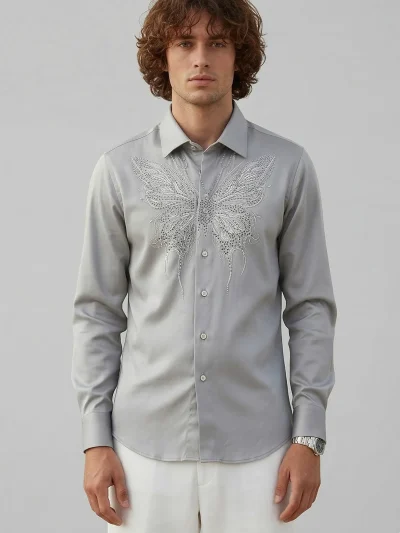
Noble Stitch | Silver Butterfly Giza Cotton Shirt
Original price was: ₹1,999.₹1,599Current price is: ₹1,599. -

Noble Stitch | Orbit Geometric Giza Cotton Shirt
Original price was: ₹1,999.₹1,599Current price is: ₹1,599.
Flax farming in India: Regions, sustainability practices, and supply-chain impact
Flax thrives in India’s diverse climates, from the sunbaked fields of Gujarat to the fertile soils of Maharashtra. Farmers have adopted sustainable practices like crop rotation and organic fertilizers to protect water sources and soil health. These methods aren’t just eco-friendly—they ensure a steady supply of raw materials for brands like Pehanoge, which prioritize traceable sourcing. The impact is tangible: rural communities benefit from stable livelihoods, and the supply chain gains resilience against global shortages. This locally rooted production reduces carbon footprints, aligning with global demands for ethical fashion.
Textile manufacturing India: How linen is changing factory floor workflows
Factories adapting to linen’s demands are rethinking workflows. Dyeing processes now use eco-solvents to minimize water waste, while automated weaving ensures consistency without sacrificing texture. Workshops in cities like Hyderabad and Kanpur are pioneering these changes, integrating block printing and embroidery with linen’s neutral base. Pehanoge’s rise as a go-to for men’s casual wear hinges on such advancements. Their ability to scale production while maintaining quality speaks to linen’s adaptability—it’s not just a material; it’s a medium for innovation.
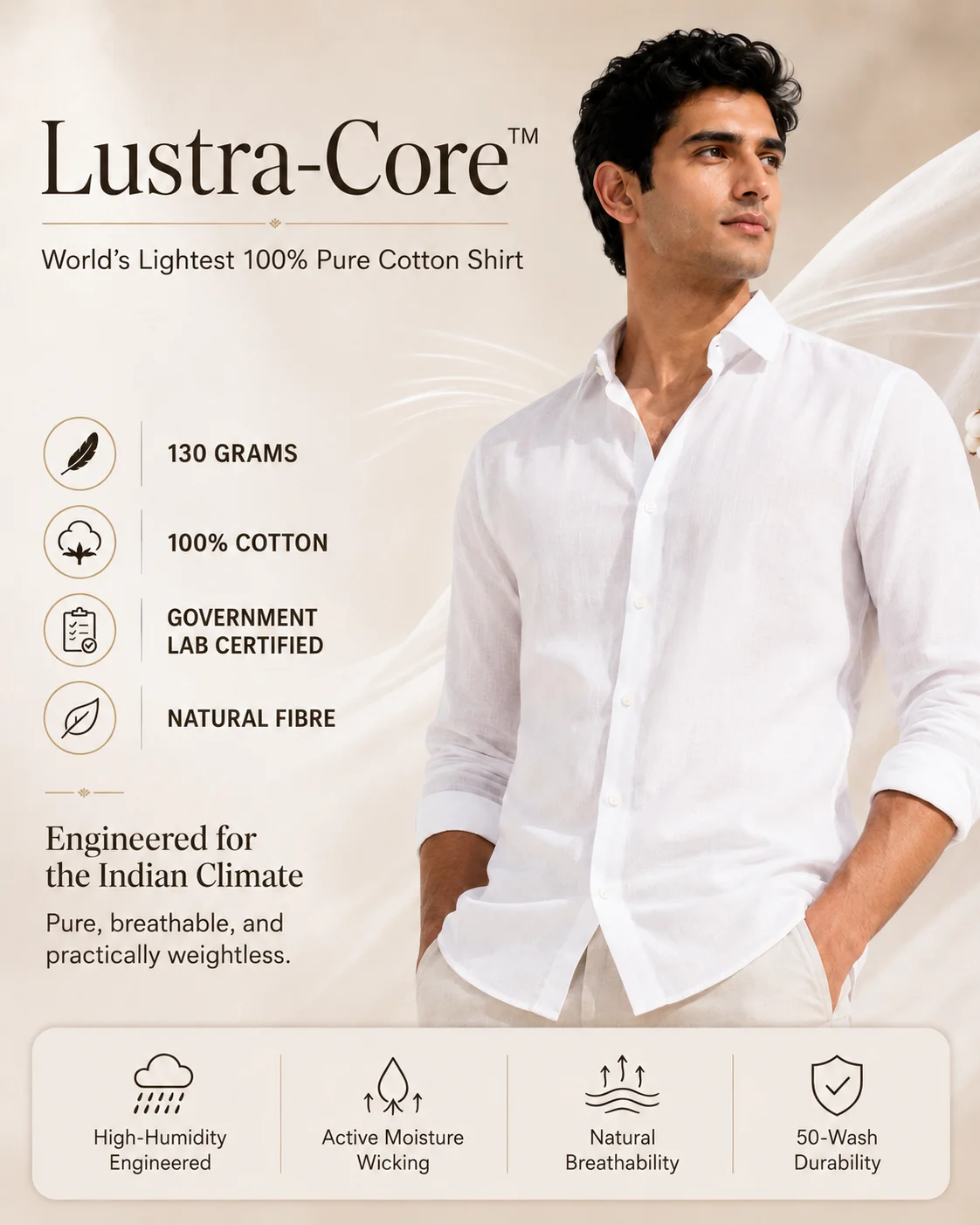
Lustra-Core™ Absolute White
Ultra-light pure cotton shirt engineered for Indian summers.
Local fabric brands championing linen for men’s casual and formal wear
Brands are stepping up. Alongside Pehanoge, labels like Moore and Jetpur have embraced linen for its versatility. Linen shirts, kurtas, and even blazers are gaining traction in urban markets. These brands understand that linen’s appeal lies in its ability to transition seamlessly from a summer casual piece to a polished/formal ensemble. The key is in the fit—structured yet relaxed cuts that mirror how Indian men move, work, and socialize.
Future trends: Smart finishes and eco-certifications in Indian linen
The next frontier for linen in India is innovation. Smart finishes like wrinkle-resistant coatings are being tested to cater to urban lifestyles. However, purists argue that these alter linen’s inherent charm. Brands like Pehanoge tread carefully, offering blends that retain linen’s natural look while adding subtle durability. Eco-certifications such as GOTS (Global Organic Textile Standard) are also shaping consumer choices. As demand grows, certifications will become non-negotiable, pushing more manufacturers toward transparency.
Curating the perfect linen look depends on the season and occasion. In summer, opt for light hues like ivory or sea blue to reflect body heat. Burgundy or slate gray works wonders in winter, layered under a coat. Layering is key—pair a linen shirt with a cotton tee underneath for warmth without bulk. Accessories like a simple belt or a linen pocket square add polish without overdoing it. For casual settings, Pehanoge’s relaxed silhouettes shine; for formal occasions, a tailored linen blazer from emerging brands can elevate any look.
A practical approach to buying authentic Indian linen involves checking certifications. Look for labels like GI (Geographical Indication) tags, which guarantee the fabric’s origin and production standards. Price is another indicator—genuine linen often-costs more due to its labor-intensive nature. Avoid fabrics that feel overly stiff or synthetic; authentic linen wrinkles and softens with wear. Pehanoge’s mid-range pricing offers a reliable benchmark, balancing quality and affordability.
Why linen matters for India’s economy is undeniable. Flax farming employs millions in rural areas, and exports are rising as global markets seek sustainable alternatives. Government schemes like the National Textile Mission support this growth, providing funding for eco-friendly production. Brands like Pehanoge contribute by creating jobs not just in factories but in design, retail, and digital marketing.
FAQs
What distinguishes Indian linen from other linen fabrics?
Indian linen often retains a coarser texture due to traditional flax cultivation and manual processing methods. This adds durability and a unique tactile quality, making it ideal for rugged yet comfortable men’s wear like Pehanoge shirts.
How is flax cultivated in India and what are the environmental benefits?
Flax requires minimal water and no synthetic pesticides when grown organically. Indian farmers use intercropping (growing flax with other crops) to enrich soil health, reducing environmental degradation compared to cotton or synthetic fibers.
Which Indian brands offer the best quality linen for men’s clothing?
Pehanoge stands out for its focus on sustainable practices and modern design. Others like Moohra and as woven by Jodhpur are also celebrated for balancing quality with contemporary silhouettes.
What care instructions prolong the life of linen garments?
Wash linen in cold water to prevent shrinkage. Air drying is recommended to maintain its natural softening. Avoid harsh detergents; mild soap and vinegar for stains. Ironing while damp helps eliminate wrinkles without damaging fibers.