



The choices we make today weave through health, heritage, and the planet’s health, each decision shaping both personal style and broader impacts. In India’s cultural tapestry, traditional elements like Pehanoge shirts carry legacy, yet modern needs require adaptation. Balancing tradition with sustainability offers a path forward.
Linen vs Microplastics: The Ocean’s Hidden Battle
Linen’s superiority in marine environments presents a critical opportunity to mitigate pollution. Unlike synthetic fibers, linen decomposes predictably, reducing microplastic accumulation. This shift requires awareness of everyday habits yet aligns with India’s growing eco-conscious movement.
Recommended for You
-
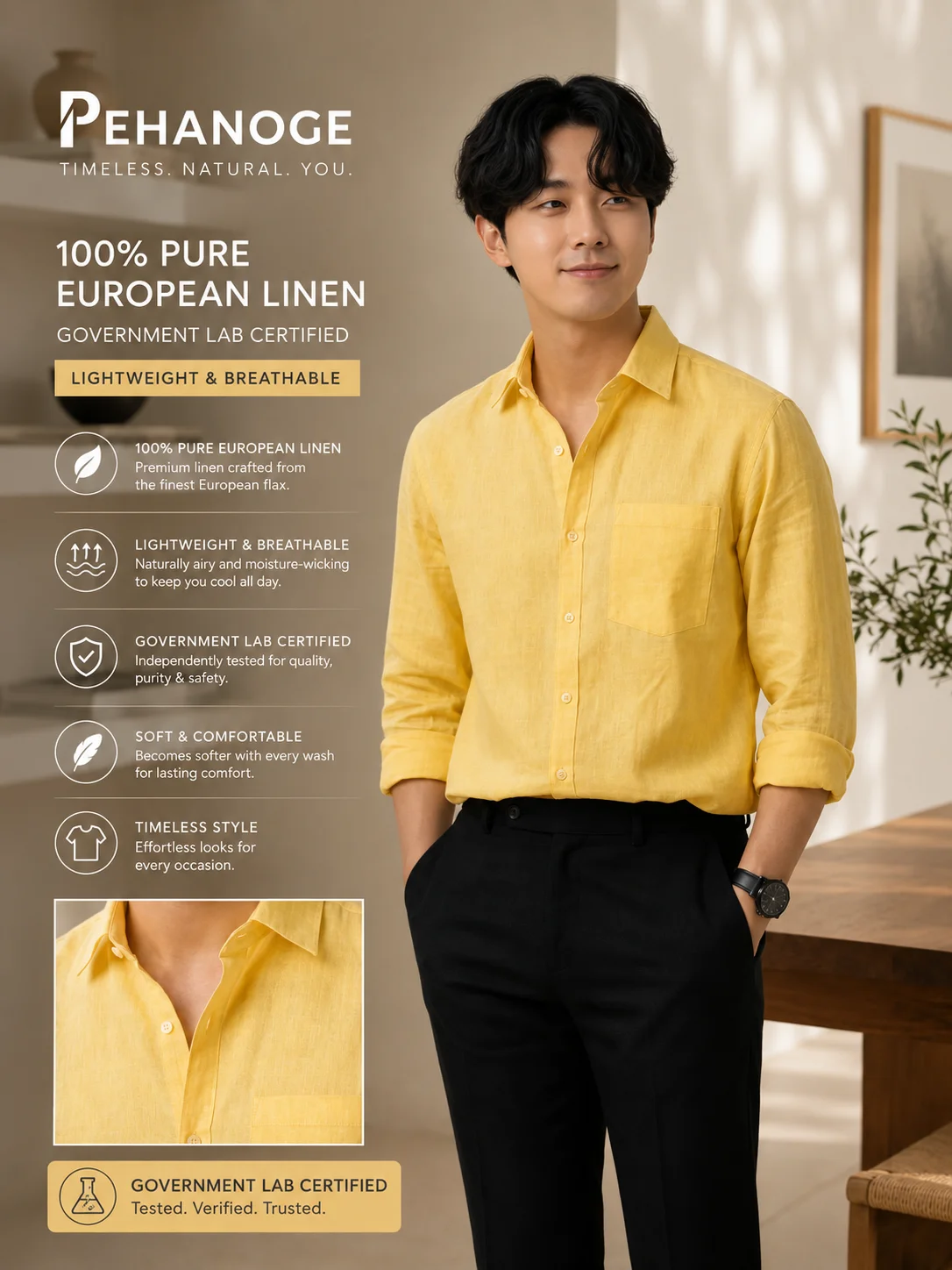
Oxy-Linen™ | Lemon Yellow – 60 Lea European Linen Shirt
Original price was: ₹4,999.₹3,399Current price is: ₹3,399. -
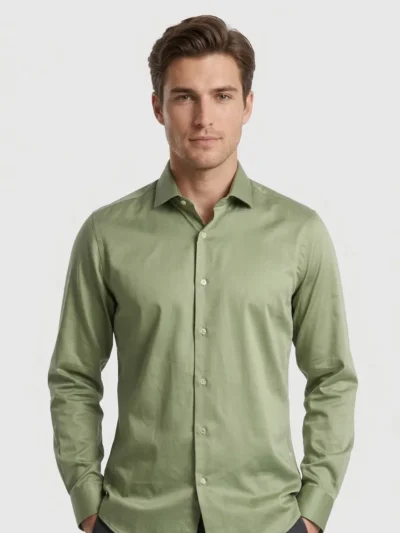
Giza-Silk | Forest Green Long-Staple Giza Cotton Shirt
Original price was: ₹1,499.₹1,199Current price is: ₹1,199. -
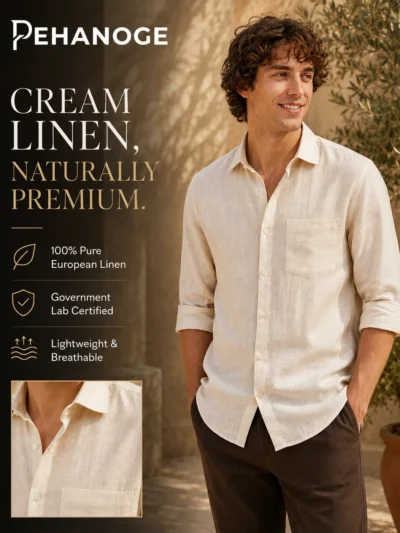
Oxy-Linen™ | Cream Linen – 60 Lea European Linen Shirt
Original price was: ₹4,999.₹3,399Current price is: ₹3,399.
- Breathability and Comfort: Linen drapes comfortably, ideal for active lifestyles common in urban settings.
- Eco-Conscious Consumers: Opting for natural fibers aligns with broader sustainability goals.
How Linen’s Natural Biodegradability Cuts Plastic Waste at Sea
The lifecycle of linen gracefully adapts to natural cycles, minimizing seabed contamination. Its production process also stands out for its low environmental cost.
- Decomposition Rates: Linen breaks down efficiently, avoiding long-term landfill persistence.
- Support Local Trends: Choosing linen supports supply chains prioritizing eco-efficiency.
From Farm to Ocean: The Full Lifecycle of Ocean‑Friendly Textiles
Connecting rural roots to global impact reveals how choices permeate every stage. From cultivation to consumption, linen demonstrates its holistic benefits.
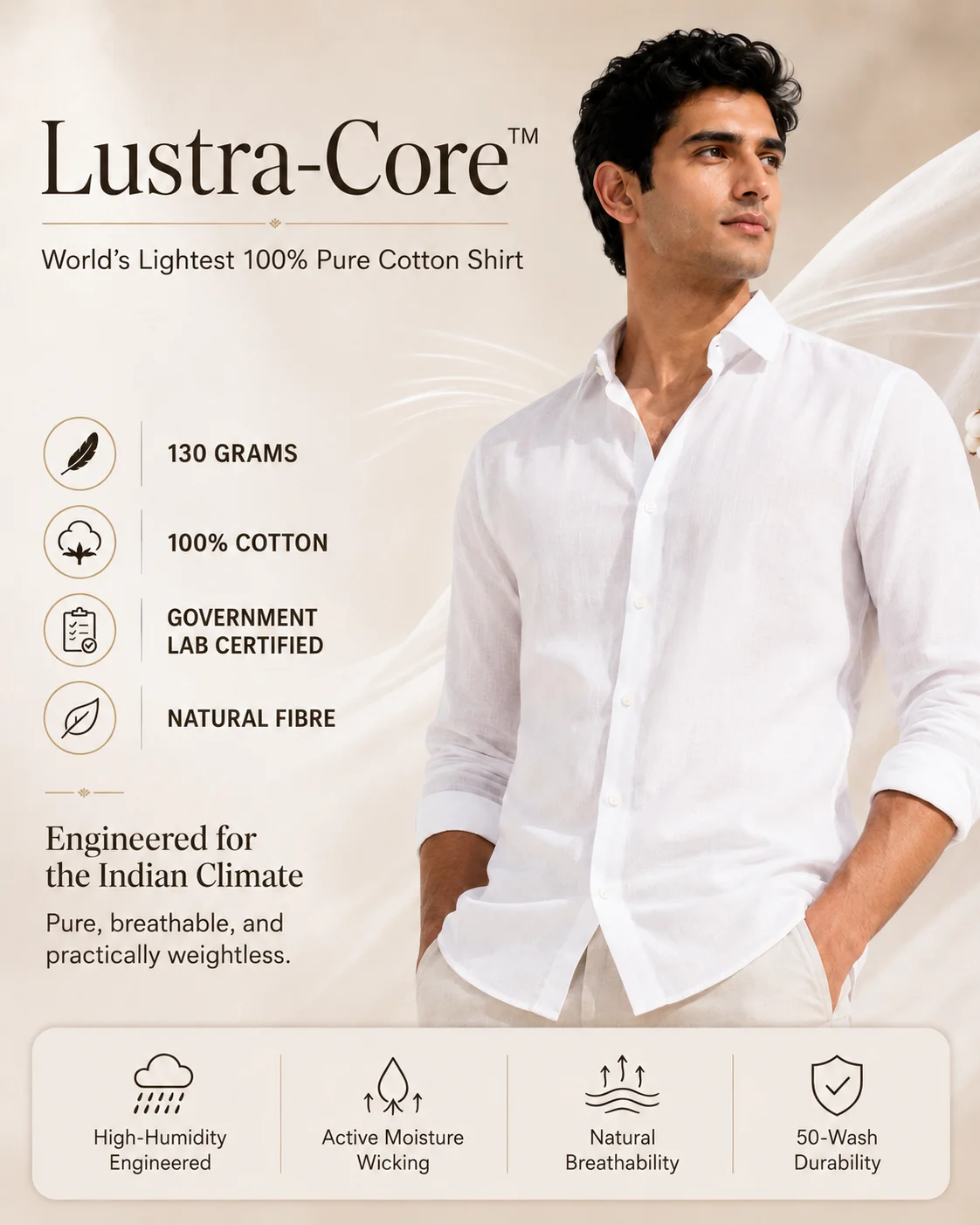
Lustra-Core™ Absolute White
Ultra-light pure cotton shirt engineered for Indian summers.
- Sustainable Agriculture: Farm practices emphasizing minimal chemical use enhance ecosystem health.
- End-to-End Accountability: Transparency in sourcing ensures trustworthy products.
Why Eco-Choices Matter for a Cleaner Shore
Every decision reflects collective responsibility. Linen’s adoption signifies commitment to preserving coastal areas critical to communities.
FAQs
How does linen break down compared to recycled polyester in marine environments?
Linen absorbs less microplastics over time, making it superior for clean oceans.
Can linen be recycled or does it need special disposal?
It decomposes naturally; proper disposal ensures optimal impact.
What certifications guarantee a textile is free from microplastic shedding?
OrganicGOTA or GOTS label ensures standards are met.
Is linen truly affordable for everyday men’s wardrobes?
Many retailers offer budget-friendly options that balance cost and quality.