


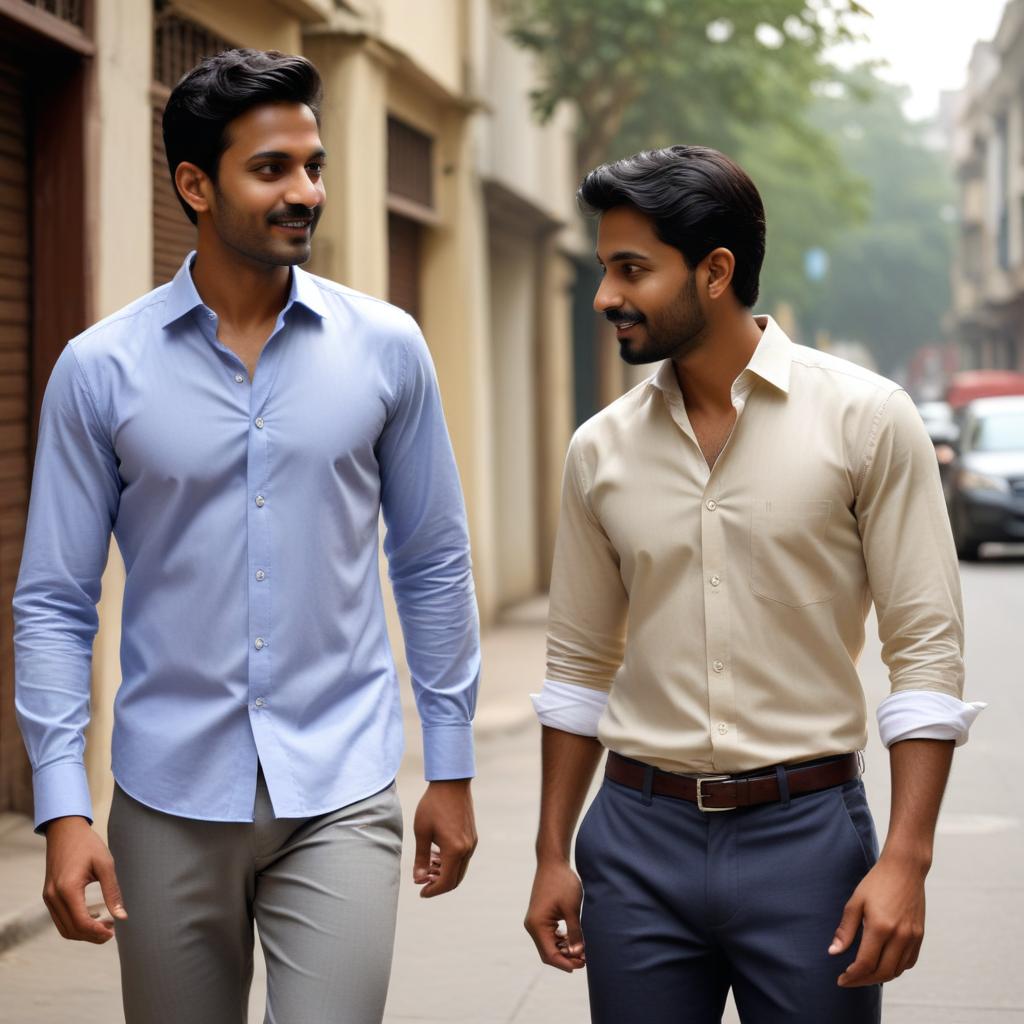
Linen has long been the fabric of choice for men who want to look effortlessly polished when the temperature climbs. There’s something about the way it breathes, the subtle texture that catches light, and the relaxed drape that says “I know style” without trying too hard. For the Indian man navigating scorching summers or unpredictable monsoons, mastering the art of mixing linen pieces can transform a wardrobe from a collection of random casuals to a cohesive, runway-ready arsenal.
The key lies in understanding that not all linen is created equal, and knowing how to pair different weights, textures, and colors can make the difference between looking like you got dressed in the dark and looking like you stepped out of a style editorial.
Recommended for You
-
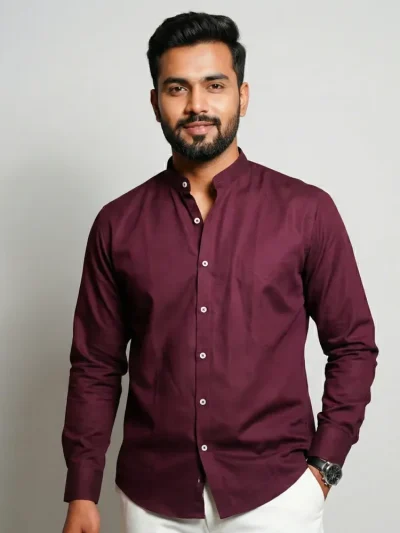
Essentials | WINE Enriched Cotton MANDARIN Coller Shirt
Original price was: ₹1,499.₹999Current price is: ₹999. -
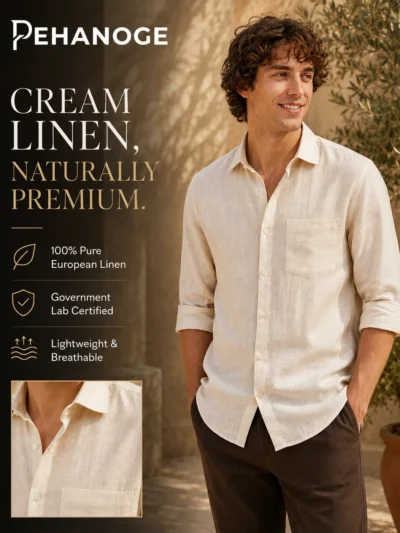
Oxy-Linen™ | Cream Linen – 60 Lea European Linen Shirt
Original price was: ₹4,999.₹3,399Current price is: ₹3,399. -
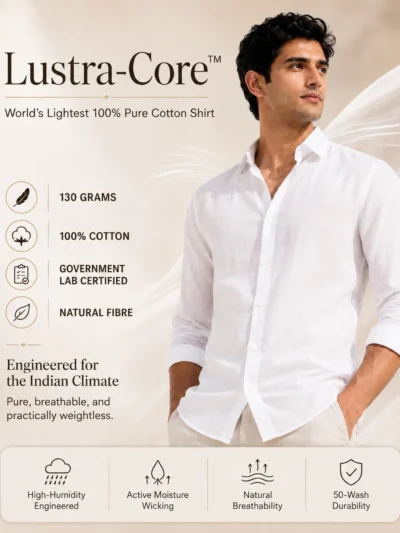
Lustra-Core™ | World’s Lightest 100% Pure Cotton Shirt | Government Lab Certified.
Original price was: ₹3,499.₹2,399Current price is: ₹2,399.
Understanding Fabric Weight: When to Pair Light vs Heavy Linen
Linen comes in various weights, typically measured in GSM (grams per square meter). For Indian conditions, lightweight linen (around 140-180 GSM) works best for everyday wear—shirts, kurtas, and summer trousers. Heavier linen (200+ GSM) is better suited for structured blazers, formal pants, or evening wear where you want some drape without the excessive airiness of lighter fabrics.
The rule of thumb is simple: pair lightweight linen with lightweight linen for a cohesive summer look, or contrast a heavier linen piece with a lighter one to create visual interest. A heavy linen blazer over a thin linen shirt works beautifully for evening events, while two lightweight pieces keep you comfortable through afternoon meetings.
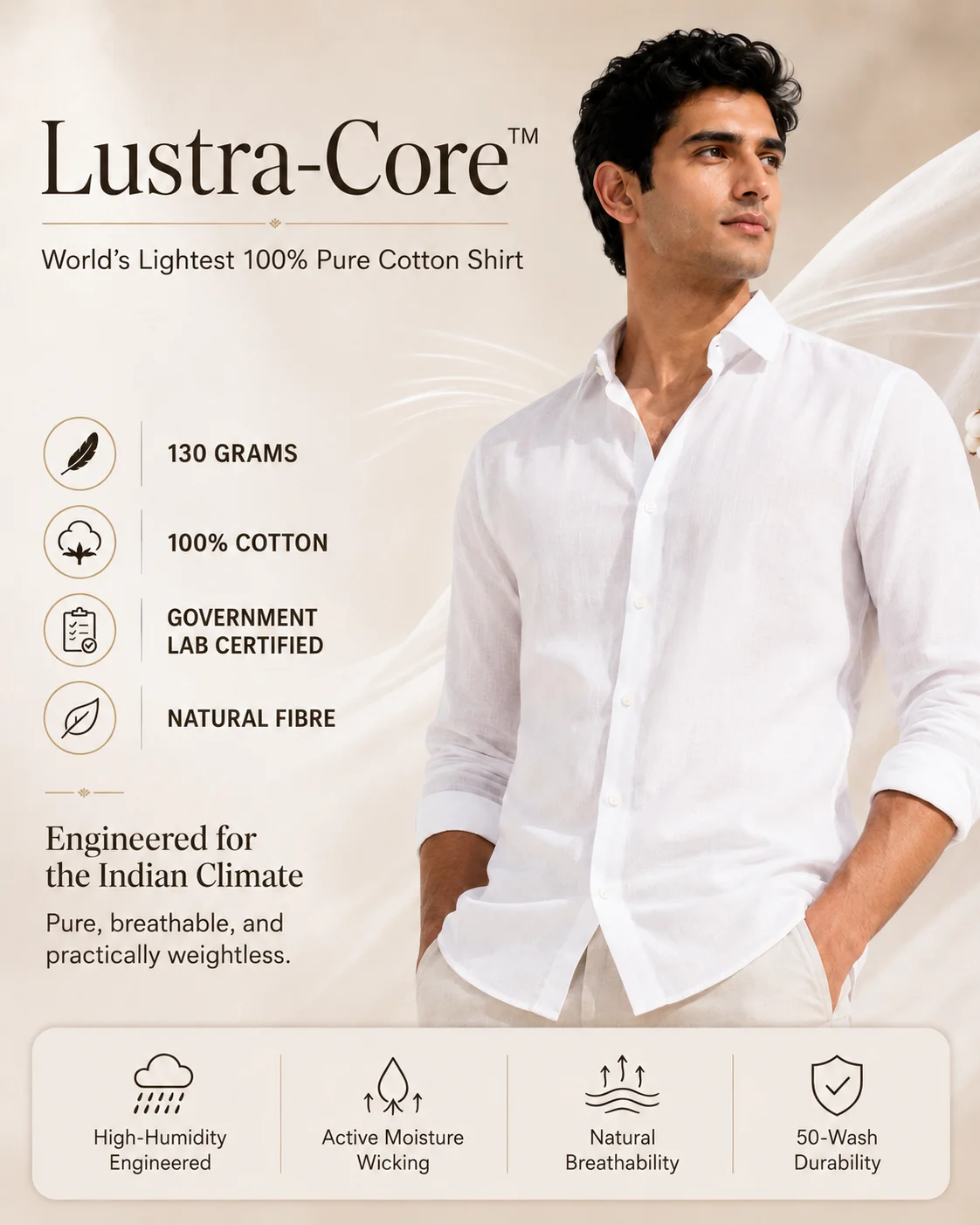
Lustra-Core™ Absolute White
Ultra-light pure cotton shirt engineered for Indian summers.
Mixing Linen Pieces for a Cohesive Monochromatic Outfit
Monochromatic linen dressing is where Indian men can truly excel. The fabric’s natural texture adds depth to what could otherwise look flat, and the subtle variations in shade create sophistication without shouting.
Start with a base color—Ivory, navy, or olive are versatile choices. Pair an ivory linen shirt with cream or stone-colored linen trousers. The key is choosing pieces from the same color family but not an exact match; the slight contrast creates dimension. Add a linen jacket in a complementary shade if needed, or keep it simple with just the shirt and trousers.
For those occasions when you want to experiment, consider tonal layering—wearing a slightly darker linen shirt under a lighter linen jacket creates visual layering that looks intentional and refined.
Color Blocking with Linen: Bold Pairings Without Overcrowding
Color blocking with linen requires restraint. The fabric’s matte texture absorbs color differently than cotton or silk, making bold combinations more forgiving—but only if you stick to two or three colors maximum.
Classic combinations that work well in Indian settings include white linen shirts with navy or black trousers for formal occasions, or earth tones like rust, olive, and tan for casual outings. The key is letting one piece be the statement—a vibrant coral or teal linen shirt—while keeping the remaining elements neutral.
Avoid mixing more than one bold color in a single linen outfit unless you’re going for an explicitly experimental look. Even then, let neutrals anchor the ensemble.
Layering Linen on Linen Style for Transitional Weather
Indian transitional weather—those weeks between summer and monsoon, or winter and spring—demands creative layering. Linen on linen works exceptionally well here.
A linen shirt worn over a linen kurta creates an interesting textural contrast. Alternatively, layer a lightweight linen shirt under a slightly heavier linen jacket. The breathable quality of linen means you won’t overheat even when the sun peeks through clouds.
For cooler evenings, consider a linen vest over your shirt. This adds formality without the bulk of traditional layers.
Accessorizing Linen Ensembles: Shoes, Bags, and Minimalist Jewelry
Accessorizing linen requires a light touch. The fabric’s casual nature means heavy, formal accessories can look mismatched.
Footwear choices should lean toward loafers, clean sneakers, or traditional juttis. Avoid overly formal oxfords unless you’re wearing a full linen suit. Leather sandals work beautifully for casual occasions.
For bags, canvas or leather totes complement linen better than structured briefcases. Minimalist watches, thin bracelets, and simple rings enhance without overwhelming. A linen pocket square adds a touch of refinement to formal linen shirts.
Building Three Distinct Looks with Core Linen Pieces
The smartest linen wardrobe starts with versatile core pieces you can restyle multiple ways.
Office Smart: Pair a white or light blue linen shirt from Pehanoge with tailored linen trousers in charcoal or navy. Add a linen blazer in a complementary shade. This look transitions from boardroom meetings to lunch client meetings effortlessly. Keep a crisp collar and opt for a slight taper on trousers for a polished silhouette.
Weekend Casual: Take that same Pehanoge linen shirt and pair it with beige or cream cotton-linen blend shorts or lightweight trousers. Roll up the sleeves, leave the shirt untucked, and add leather sandals or canvas sneakers. This works perfectly for brunch, market visits, or relaxed outings with friends.
Night Out: Elevate your linen pieces by choosing a darker shade—midnight blue or deep olive. Layer a linen shirt under a contrasting linen jacket, add tailored trousers, and finish with loafers. The texture of linen catches evening light beautifully, making you look considered without appearing overdressed.
The secret lies in varying textures, adjusting hem lengths (tucked for formal, untucked for casual), and mixing subtle patterns like a fine linen check with solid pieces.
Selecting High-Quality Linen in the Indian Market
When shopping for linen in India, prioritize weave type and sourcing over thread count alone. Look for fabrics labeled as “pure linen” or “100% linen” rather than linen-cotton blends unless specifically seeking that texture.
Sustainable sourcing matters—many Indian brands now offer organically grown linen, often certified. Price brackets range from ₹1,500-3,000 for quality linen shirts from brands like Pehanoge, ₹2,500-5,000 for trousers, and ₹4,000-8,000 for blazers. Online platforms and brand outlets in major cities offer the best selection.
Linen in the Indian Context
India’s regional climate heavily influences linen styling. Coastal humid regions demand lightweight linen blends, while dry heat areas handle pure linen beautifully. Cultural nuances matter too—festive occasions often call for brighter linen in traditional cuts, and many Indian men prefer slightly longer shirt tails that work well tucked or untucked.
Brands like Pehanoge specialize in breathable linen menswear designed specifically for Indian conditions, offering cuts that accommodate cultural preferences while maintaining contemporary style.
FAQs
Can I wear a linen shirt with cotton chinos without looking mismatched?
Absolutely. The key is matching the formality level and color family. A crisp white linen shirt pairs elegantly with tan or khaki cotton chinos. Both fabrics have similar matte textures, so they complement rather than clash. Just ensure the linen isn’t too rumpled—iron or steam it lightly for a polished look.
What are the best color combinations for a monochromatic linen outfit?
Stick to the same color family with varying shades. Cream and ivory, navy and midnight blue, or olive and sage work beautifully. The slight variation in tone creates depth while maintaining cohesion. Avoid exact color matches, as they can look accidental rather than intentional.
How do I prevent my linen pieces from wrinkling throughout the day?
Some wrinkle is part of linen’s charm, but you can minimize it. Choose linen-cotton blends if wrinkle-resistance matters to you. When wearing pure linen, gently smooth the fabric throughout the day. Hanging your shirt when not wearing it helps. For important meetings, a quick steam or iron on low heat refreshes the piece.
Is it okay to mix printed linen with solid linen, and how much pattern is too much?
Yes, mixing prints works when done correctly. Pair a subtle printed linen shirt—like a small check or micro-pattern—with solid linen trousers. Avoid mixing two printed pieces; that creates visual competition. The rule: one statement piece maximum per outfit. If your shirt has a pattern, keep everything else solid.