



Summer dressing dilemma: When your wardrobe choice impacts not just comfort but also your carbon footprint and wallet. We’re diving deep into the battle between timeless linen and engineered polyester performance fabrics. In India’s sweltering climate, this debate isn’t just about fashion—it’s about survival. Whether you’re sitting through a Mumbai local commute or attending a Delhi conference, your shirt choice can make all the difference.
Linen vs Polyester: The Ultimate Fabric Face-Off for Men’s Summer Style
The fundamental difference lies in construction philosophy. Linen, made from flax fibers, is nature’s breathable solution. Each thread creates tiny air pockets that circulate air naturally. Polyester, meanwhile, is engineered for specific performance metrics—wrinkle resistance, color retention, and durability.
Recommended for You
-
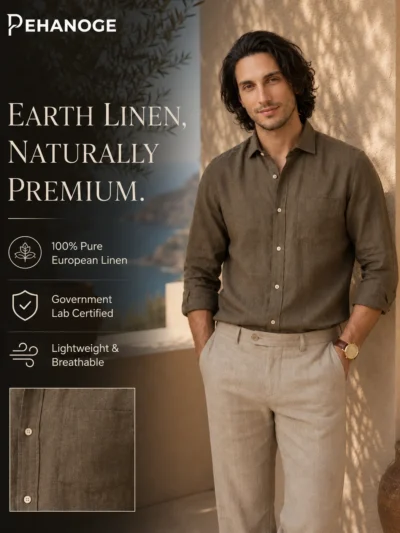
Oxy-Linen™ | Coffee Brown – 60 Lea European Linen Shirt
Original price was: ₹4,999.₹3,399Current price is: ₹3,399. -
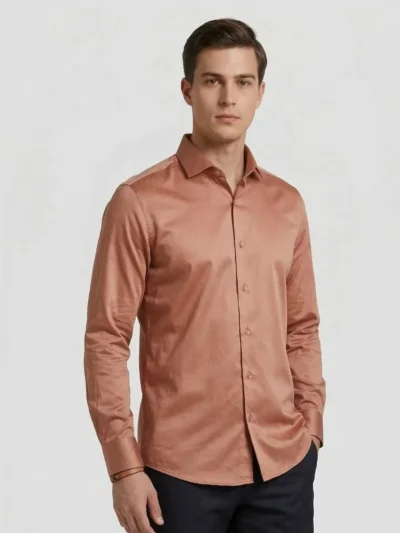
Giza-Silk | Copper Rust Long-Staple Giza Cotton Shirt
Original price was: ₹1,499.₹1,199Current price is: ₹1,199. -

Oxy-Linen™ | Pure White – 60 Lea European Linen Shirt
Original price was: ₹4,999.₹3,399Current price is: ₹3,399.
For the Indian market, this translates to distinct advantages. Linen excels in humidity-heavy regions like Kerala and West Bengal, where moisture evaporation is crucial. Polyester performs better in arid zones like Rajasthan, where static resistance matters more.
Pehanoge shirts, known for their relaxed fits and premium casual wear, often blend these properties. Their linen collections offer that effortless European aesthetic, while their polyester blends provide the durability urban professionals need.
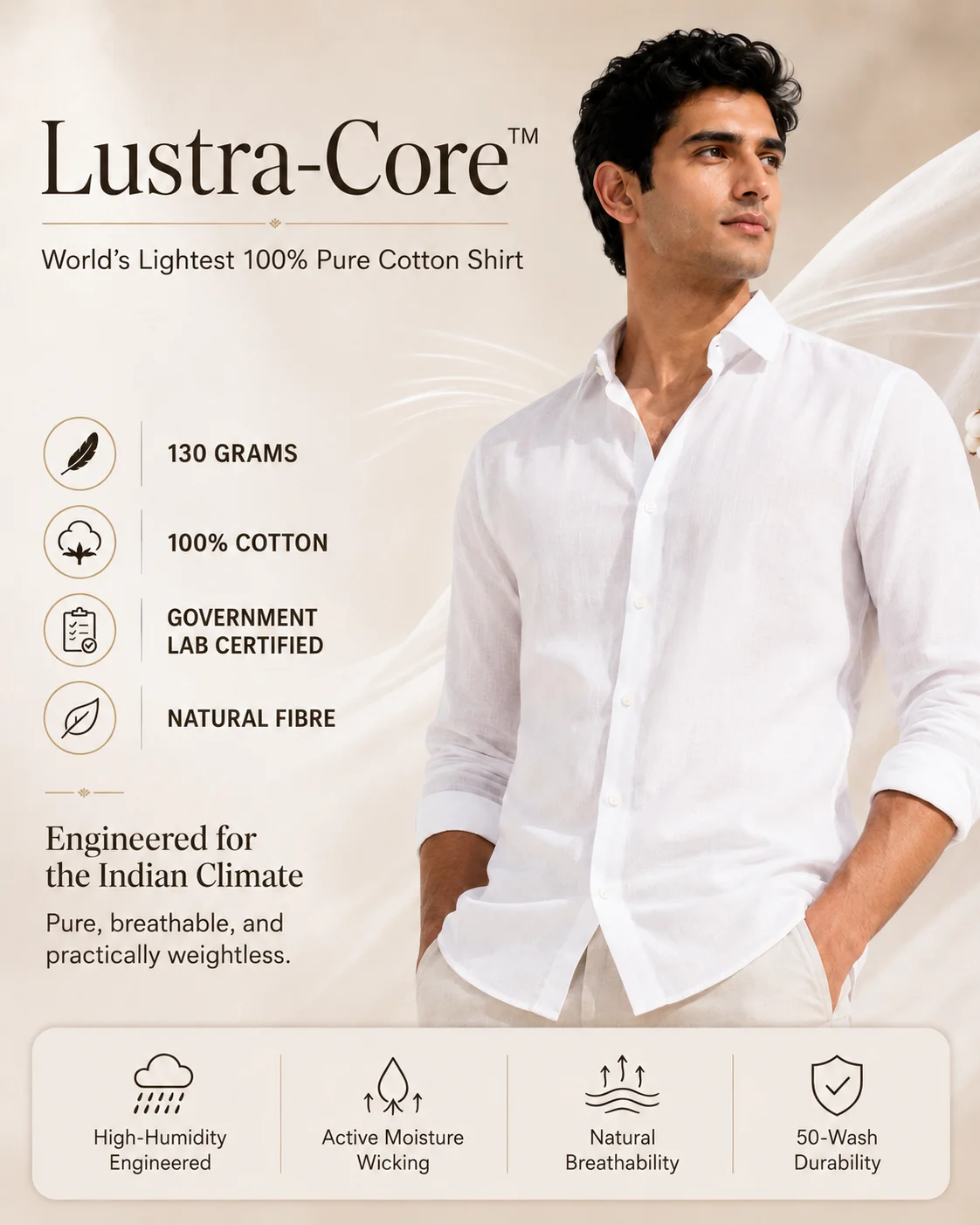
Lustra-Core™ Absolute White
Ultra-light pure cotton shirt engineered for Indian summers.
Natural Cooling Power: Why Linen Beats Synthetic Performance Fabrics in Humid Climates
Scientific studies consistently show linen’s superior evaporative cooling. The fiber’s hollow structure absorbs up to 10 percent of its weight in water before feeling damp. This natural moisture management keeps skin 3-5 degrees cooler than synthetic alternatives.
In practical terms, this means:
- Less clingy feel during monsoon commutes
- Reduced need for undershirts in office settings
- Better comfort during outdoor events like wedding season
Polyester’s cooling claims rely on surface treatments and lightweight weaves. While effective initially, these treatments wash out over time, leaving you with the same trapped heat issue.
Eco-Performance Showdown: Sustainable Fashion Choices for the Conscious Gentleman
Environmental impact varies significantly by production scale. Linen requires minimal water—about 30% less than cotton—and grows without chemical pesticides. However, traditional linen processing uses lye, creating wastewater challenges.
Polyester’s environmental footprint is heavier. Petroleum-based production emits 70% more carbon than natural fibers. Yet modern recycled polyester reduces this gap considerably.
For the conscientious Indian gentleman, consider the total lifecycle. A premium linen shirt lasting five years beats a polyester alternative replaced annually due to wear.
Sweat Management Smackdown: Linen vs High-Tech Polyester Athleisure
Here’s where the conversation gets interesting. Polyester’s hydrophobic nature repels sweat, but it also traps it against skin. Modern moisture-wicking treatments help, yet still lack linen’s natural absorption.
Linen’s approach is elegantly simple: absorb, then evaporate. This creates that signature slightly rumpled look, but also ensures you don’t feel wet. For India’s perspiration-heavy climate, this matters.
The compromise? Cotton-linen blends offer middle-ground performance. They maintain breathability while reducing wrinkling—a common complaint with pure linen in fast-paced lifestyles.
From boardroom to weekend brunch: How to style linen for polished looks that don’t sacrifice breathability, and when to reach for performance polyester blends without looking like you’re heading to the gym.
Linen’s reputation for casual dressing is outdated. Today’s premium linen comes in structured weaves suitable for formal settings. The key is choosing mid-weight linen (120-160 gsm) for office wear.
Styling tips for Indian conditions:
- Roll linen sleeves slightly for air circulation during commutes
- Choose neutral colors that hide inevitable creases
- Layer with performance fabrics during transit
Polyester excels in travel scenarios. Business trips requiring wrinkle-free packing favor engineered fabrics. However, avoid shiny finishes that scream “athleisure” in professional spaces.
Pehanoge’s casual wear line demonstrates this balance perfectly. Their performance polyester shirts feature matte finishes and tailored cuts that read smart-casual rather than gym-ready.
Beyond the label: What thread count, weave patterns, and fabric weights actually matter when shopping for linen vs polyester pieces that deliver year-round value.
Thread count myths abound in both categories. For linen, lower numbers often indicate better quality—hand-finished fabrics aren’t densely woven. Look for:
- Loose weave construction (allows air circulation)
- Natural slubs (indicates minimal processing)
- Weight between 120-200 gsm for versatility
Polyester thread counts should emphasize denier rather than count. Higher denier fibers create smoother finishes. Weave structure matters more than density here.
Monsoon-ready fashion: Why cotton-linen blends and moisture-wicking polyester suits are stealing the show in India’s challenging climate, and which cities favor traditional vs modern fabric choices.
Regional preferences reveal interesting patterns. South Indian markets embrace pure linen for its traditional association with comfort. Northern cities show growing acceptance of performance blends.
Cotton-linen combinations address multiple needs:
- Reduced wrinkling compared to pure linen
- Enhanced breathability over cotton alone
- Better durability in high-abrasion environments
Monsoon-specific considerations include stain resistance and quick drying. Here, polyester’s advantages become apparent, explaining its popularity in rain-prone regions.
FAQs
Does linen really keep you cooler than polyester in high humidity?
Yes, research confirms linen’s superior cooling effect. Its natural fiber structure absorbs moisture and allows evaporation, while polyester traps sweat against skin. In India’s humid conditions, this difference is noticeable within minutes of wear.
How does the environmental impact compare between linen and polyester production?
Linen production generates fewer greenhouse gases and requires less water. However, polyester’s recyclability and longer lifespan can offset initial environmental costs. The clear winner is recycled polyester when sustainability is prioritized.
Can you machine wash polyester performance wear as often as linen without damaging the fabric?
Absolutely. Polyester withstands frequent washing better than linen, which can weaken and fade over time. This makes performance fabrics ideal for active lifestyles or frequent travel.
What’s the lifespan difference between premium linen and quality synthetic performance fabrics?
Premium linen typically lasts 3-5 years with proper care, developing character through natural aging. Quality polyester performance fabrics often exceed 5-7 years, maintaining structural integrity longer than linen.