



When the heat hits high and the humidity rises, choosing the right fabric becomes a matter of necessity rather than choice. Linen and cotton are classic players, but how they behave under sticky Indian summers differs significantly. Linen, with its natural absorbency, can feel heavier when the air turns thick, while cotton offers a balance that stays comfortable without sacrificing too much breathability. Understanding which fabric will perform better in real conditions helps ensure you stay at ease without the discomfort of damp clothing.
Why breathability matters in high humidity climates
In a place where summer days feel longer than they should, the key is clothing that wicks away moisture. Linen is often praised for its breathability, but its performance in peak humidity needs careful evaluation. Cotton, on the other hand, is known for its comfort and easy care. The decision between them should be based on how they behave when sweat and rain combine.
Recommended for You
-

Oxy-Linen™ | Pure White – 60 Lea European Linen Shirt
Original price was: ₹4,999.₹3,399Current price is: ₹3,399. -

Noble Stitch | Golden Bloom Giza Cotton Shirt
Original price was: ₹1,999.₹1,599Current price is: ₹1,599. -
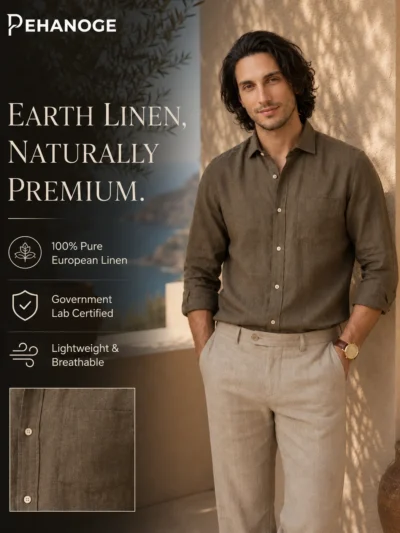
Oxy-Linen™ | Coffee Brown – 60 Lea European Linen Shirt
Original price was: ₹4,999.₹3,399Current price is: ₹3,399.
- Linen can absorb water quickly when wet, but it dries naturally once the humidity drops.
- Cotton retains moisture longer and may retain an awkward texture in heavy humidity.
- The right choice depends on how you plan to use the shirt during those humid months.
linen vs cotton for summer: the ultimate showdown in real conditions
Many travelers come to India seeking the best casual wear, and when it comes to summer, that wear must match the weather. Linen shirts are popular for their rustic charm and airy feel, but they can lose shape if not maintained well. Cotton offers consistency and is easier to care for, making it a safe bet for daily wear.
- Linen may suit those who enjoy a more textured look.
- Cotton provides a smoother, more reliable feel under constant sun and sweat.
- For monsoon edges, a blend often proves the most dependable option.
decoding the best fabric for humidity beyond the label
Reading fabric labels is useful, but in high humidity the real test lies in how the material behaves. Look for blends that balance comfort and resilience, especially when humidity is at its peak. Understanding the weave and fiber content can make a world of difference.
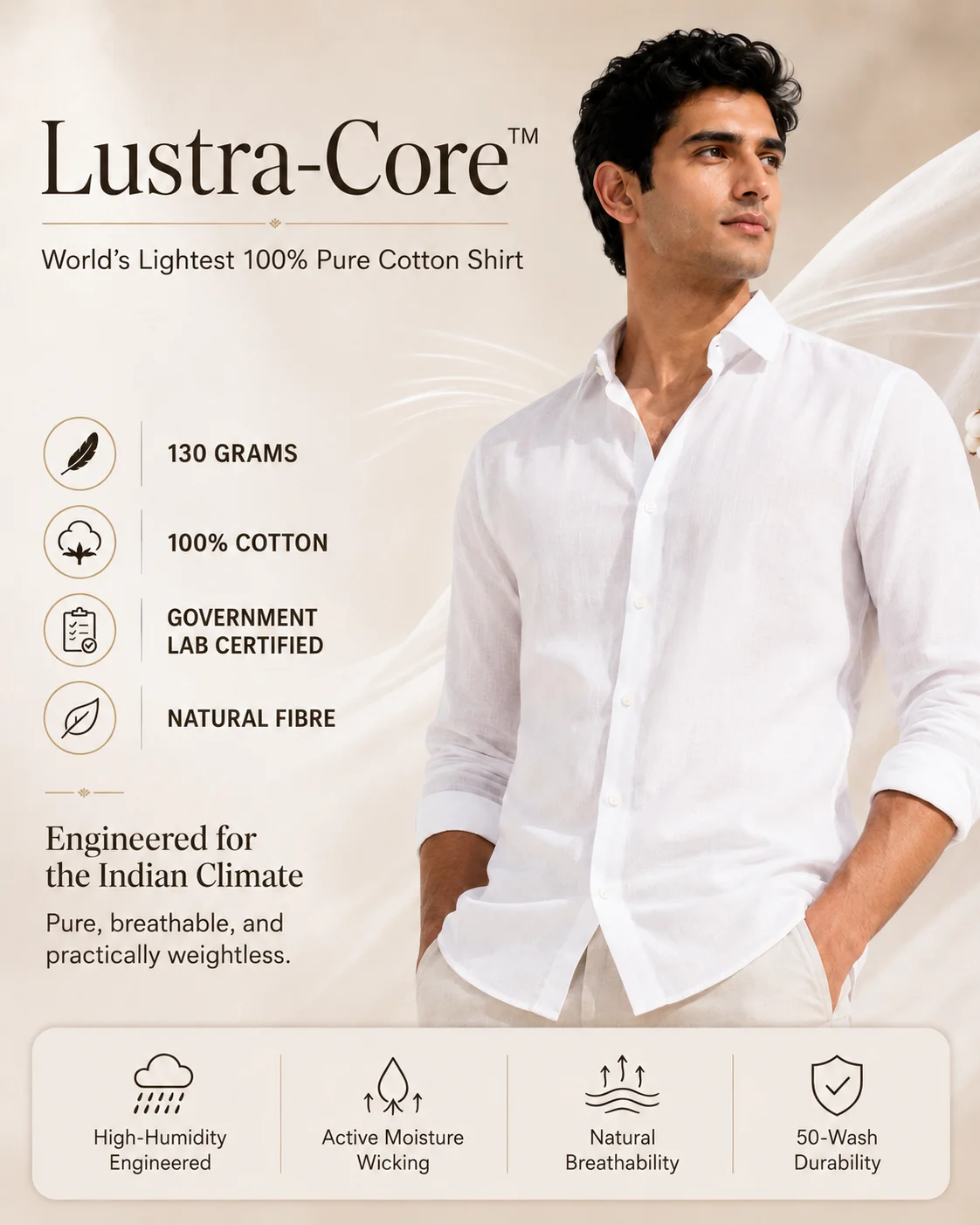
Lustra-Core™ Absolute White
Ultra-light pure cotton shirt engineered for Indian summers.
- Fabrics with tight stitching prevent moisture from seeping in.
- The right texture helps with airflow without sacrificing comfort.
- Transparency into blending percentages gives clarity on performance.
style deep dive: woven textures and breathable summer shirts you can trust
Choosing the right woven texture can enhance breathability and maintain shape during humid days. The goal is to find a fabric that moves with the body and resists clinging. Loose silhouettes and open weaves allow air to circulate, while subtle sheens can add a bit of shine without trapping sweat.
- Vintage shirts from brands like Pehanoge blend style with practicality.
- Lightweight twill and poplin can offer excellent balance for everyday wear.
- Consider how the fit helps in the dry air to avoid overheating.
FAQs
-
Does linen actually dry faster than cotton in monsoon-level humidity?
The answer lies in how each absorbs and releases moisture, but linen’s moisture-wicking nature usually gives it an edge when humidity soars.
-
Is pure cotton better for sensitive skin during long humid days?
Cotton remains a gentler choice, especially when you prioritize softness and hypoallergenic properties over quick-drying features.
-
Can a blended cotton-linen shirt deliver a middle ground for breathability?
A well-made blend can combine the strengths of both, offering comfort without compromising on drying ability.
-
Which weave type handles sweat the best?
# The tight weave of poplin often stands out for its ability to manage sweat efficiently while keeping you cool.
In India’s diverse climate, selecting the right weave and fabric isn’t just about style—it’s about surviving the heat without extra troubles. Whether you’re slipping into a Pehanoge shirt or swapping to a cotton overshirt, the goal remains the same: stay comfortable, stay dry, and move smoothly through every monsoon edge.