



The transformative journey of linen—from stiff, awkward newcomer to sumptuous companion—captures a quieter revolution in men’s wardrobes. Far from fading, high‑quality linen evolves into a tactile heirloom: softer fibers, deeper vintage‑style texture, and subtle notes of age that make it a wardrobe essential that gets better with every wear. In the humid breezes of Chennai or the breezy evenings of Coorg, that evolution feels almost poetic, echoing the way a well‑kept khadi dhoti softens after years of festivals.
Breaking In Your Linen: The Secret Science Behind Fabric Softness Over Time
Linen is made from the bast fibres of the flax plant. When it first leaves the loom the fibres are still tightly twisted, giving the garment a crisp, almost militaristic stiffness. Over time two things happen:
Recommended for You
-
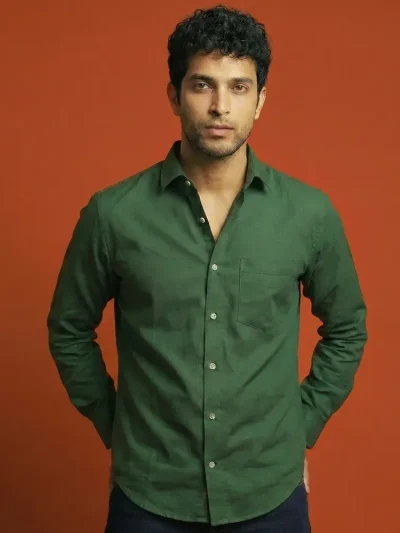
Essentials | HUNTER GREEN Enriched Cotton Shirt
Original price was: ₹1,499.₹999Current price is: ₹999. -
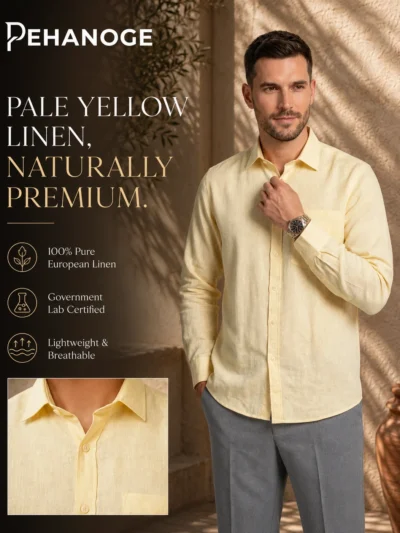
Oxy-Linen™ | Sunlight Yellow – 60 Lea European Linen Shirt
Original price was: ₹4,999.₹3,399Current price is: ₹3,399. -
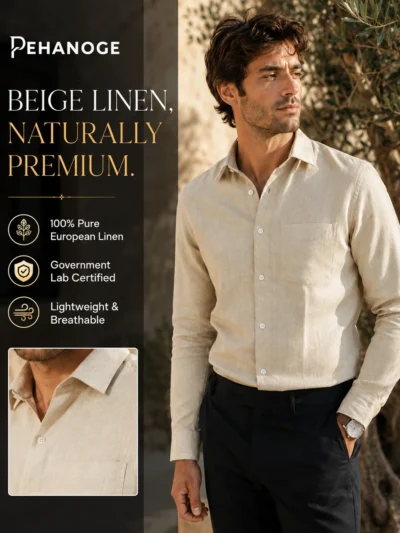
Oxy-Linen™ | Natural Beige – 60 Lea European Linen Shirt
Original price was: ₹4,999.₹3,399Current price is: ₹3,399.
- Mechanical fatigue: each time you sit, stretch, or slip the shirt on and off, the fibres flex and gradually unwind.
- Moisture interaction: linen loves water. A wash, especially in warm, humid Indian summers, allows the fibres to swell, relax, and then settle into a smoother configuration once they dry.
The result is that the once‑stiff pehanoge shirts you buy for a formal day become a second skin after a handful of washes and a few days of casual wear. The process is invisible, but you’ll notice the fabric’s “give” increasing, the creases becoming softer, and the scent of fresh cotton‑flax mingling with the faint aroma of your own body heat.
Vintage Linen Feel: How Quality Fibers Unfurl Their Timeless Elegance
Not every linen is created equal. Premium European flax, cultivated in the loess soils of Belgium or France, yields longer, stronger fibres. Those longer strands can be spun into a yarn that feels buttery from the first wear, even before the breaking‑in ritual begins.
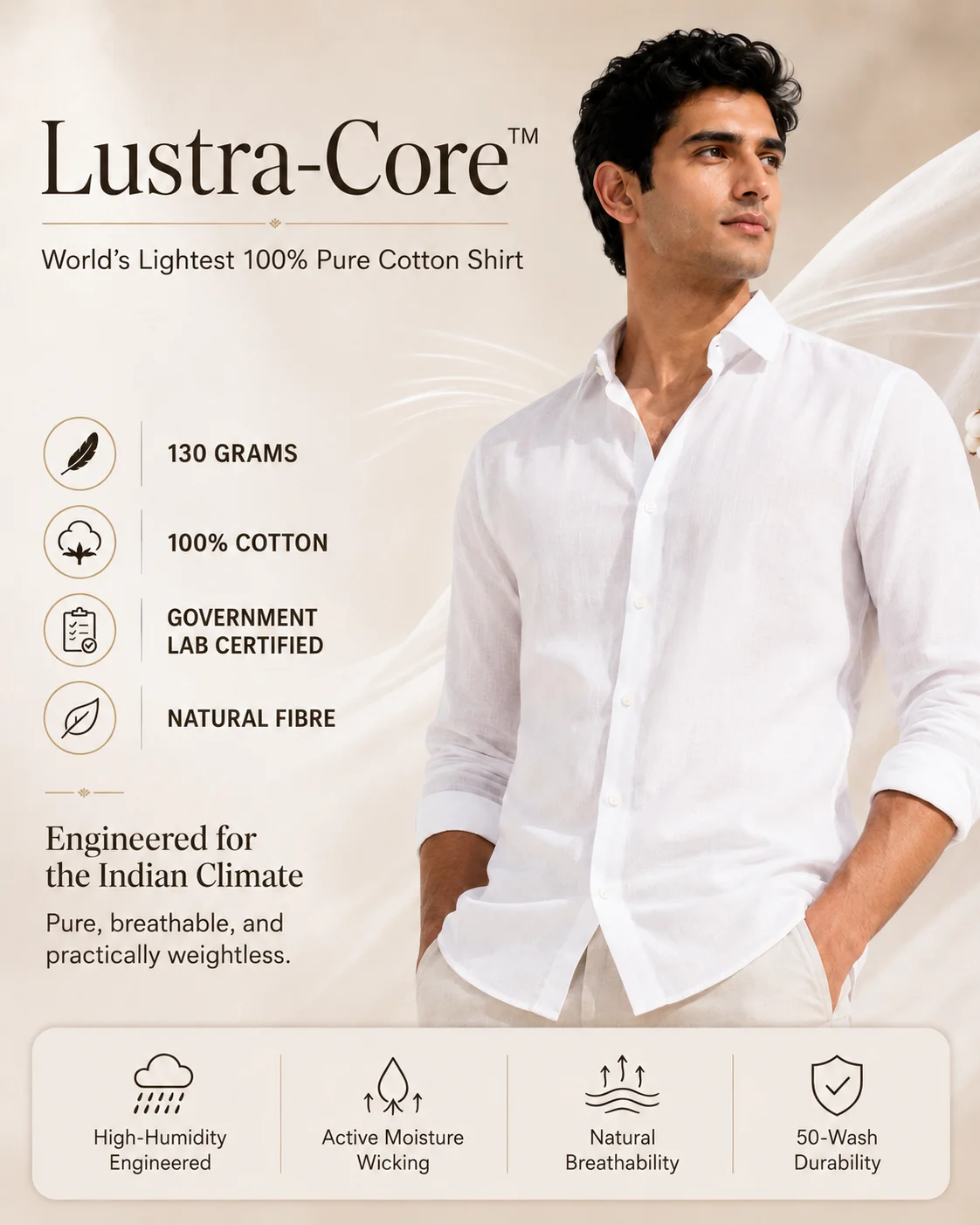
Lustra-Core™ Absolute White
Ultra-light pure cotton shirt engineered for Indian summers.
When this yarn is woven with a slightly looser plain or twill weave, the surface gains a subtle, almost tactile “hairiness.” As the piece ages, the individual fibres separate just enough to whisper against each other, creating a soft rumple that looks intentional. It is the same sensation that makes a vintage Marua‑infused linen sari in Kerala feel like a cherished memory rather than a piece of clothing.
The Quality Evolution of Linen: Why Older Garments Never Go Out of Style
A linen jacket that survived a monsoon in Mysore in the 1970s will still look fresh today because the natural wear pattern is a story, not a flaw. The fabric’s breathability does not deteriorate; instead, the patina it acquires lends it a gravitas that synthetic blends can never replicate.
- Colour deepening: Sun‑faded whites turn into warm ivories, while indigo‑dye on a linen shirt mellowes into a sophisticated navy.
- Texture change: The once‑sharp weave softens into a lived‑in weave that drapes better over a broader shoulder line.
- Structural integrity: Flax fibres gain resilience after repeated gentle wash cycles, meaning the garment resists sagging even after decades.
This is why Indian tailors still refurbish a 1950s linen suit for a wedding—its heritage value adds a layer of dignity that a brand‑new, mass‑produced piece cannot match.
Linen for Men: Balancing Comfort, Dignity, and the Timeless Charisma of Vintage
Modern Indian menswear is a dialogue between tradition and global style. Linen fits perfectly into that conversation:
- Comfort: Its natural moisture‑wicking ability keeps you cool in the Chennai heat and surprisingly warm in the evenings of Himachal.
- Dignity: A well‑tailored linen blazer, especially in earth tones, commands a quiet confidence—think of a Maharaja who chooses understated elegance over flamboyance.
- Charisma: The slight creases that develop after a day’s wear are not signs of neglect; they are the badge of a garment that lives, breathes, and adapts with you.
Pair a crisp white pehanoge shirt with charcoal linen trousers for a boardroom look that feels like a summer breeze, or slip on a relaxed linen kurta for an evening at the beach. The fabric’s adaptability makes the transition seamless.
From Wrinkly Newcomer to Undressably Luxe: The Lifecycle of Your Linen Investment
- First week: The garment feels stiff, wrinkles grab attention, and you may notice a slight “paper‑like” texture.
- First month: After 3‑4 washes and regular wear, the fibres begin to relax. Creases soften, and the shirt starts to drape more fluidly.
- Six months: The linen has now taken on a personalized shape, conforming to your posture and movement. The colour deepens, and the tactile experience feels almost buttery.
- Beyond a year: The piece becomes a heritage item. It carries the faint imprint of every summer you’ve owned it, each wash a subtle layer of memory.
Treat each stage with care—use a gentle, linen‑friendly detergent, avoid high‑heat tumble drying, and store the garment on a wide hanger to maintain its shape. The investment pays off not only in style but in the quiet joy of wearing something that has truly become yours.
Styling Possibilities: Unlocking Linen’s Evolving Feel
Linen’s evolving feel unlocks endless styling possibilities—pair sustainable basics with surreal vintage touches, or transition classic pieces as they wrap around your frame with a deeper, lived‑in texture. Vintage‑inspired styling thrives when you embrace linen’s natural aging story: horseswades softening into delicate ripples, the gentle whisper of worn‑in texture that made British nobles prefer their shirts brushed at dawn.
- Casual: A faded teal linen shirt, half‑buttoned, with rolled cuffs, teamed with raw denim and a pair of leather loafers.
- Smart‑casual: A crisp white pehanoge shirt under a navy linen blazer, finished with a slim leather belt and suede brogues.
- Traditional fusion: A light‑beige linen kurta over a muted silk dhoti, allowing the linen’s breathability to balance the silk’s sheen.
The key is to let the fabric speak. Avoid over‑accessorising; let the subtle creases and soft hand of the linen be the focal point.
Buying Guide: Spotting True Linen Mastery
Smart shoppers recognize that true linen mastery starts with garment selection—whether investing in a heritage‑crafted suit or a roll of faded sheet linen for DIY projects (all 1920s linen sacks and ’50s equestrian suits are now fair game!).
- Fiber length: Look for “extra long staple” (ELS) flax—this indicates longer fibres, which translate to smoother yarn.
- Weave: A looser plain weave or a subtle twill will age better than a tight, high‑thread‑count count.
- Finishing: Minimal mercerisation or heavy chemical treatments can strip linen of its natural breathability.
- Label clues: Terms like “European flax,” “hand‑loomed,” or “heritage cut” often point to higher quality.
When buying in India, consider regional producers who blend traditional Marua fibres with modern flax, offering a piece that pays homage to local craftsmanship while delivering global standards.
Indian Context: Linen Meets Tradition
In South India, where ikkarimari sweaters and Kerala silks have been revered for generations, linen’s ability to adapt to humidity and breathable softness mirrors local “marua” chorley resin‑infused linen’s 600‑year legacy—a hands‑on, eco‑conscious parallel to East Asian omamono covers (famously upholstered in linen that’s aged so much they figure out how to polish it back).
Linen shirts are now appearing in Chennai’s boutique stores alongside Kalamkari kurtas, proving that the fabric can share space with centuries‑old traditions. The same fibre that once lined the sari‑making workshops of Kanchipuram now finds its way into a minimalist pehanoge shirt, bridging the gap between the past and the present.
FAQs
Why does my new linen appear stiff—will this ever change?
Yes. New linen is stiff because the flax fibres are still tightly twisted. With each wash, wear, and exposure to humidity, the fibres slowly unwind and soften. A few gentle cycles in lukewarm water and natural air drying will noticeably reduce the stiffness within a week.
How does aged linen differ from new, and what makes it so special?
Aged linen has a deeper colour, a softer hand, and a natural ripple that looks intentional. The fibres have relaxed, allowing better drape and breathability. This patina tells a story—each crease is a memory of a day spent in the sun, a monsoon, or a festival—making the garment feel uniquely yours.
What are some vintage linen textiles or patterns men might struggle to find now?
- Madras checks with muted, sun‑faded palettes (originally hand‑loomed in South India).
- British colonial stripes on heavyweight linen, often in ivory‑on‑navy.
- Marua‑infused linen from Kerala, featuring a subtle resin‑like sheen.
- Equestrian suit twill from the 1950s, with a slightly glossy finish.
Can I speed up the breaking‑in process for my new linen garment?
A gentle “softening” routine helps:
- Soak the garment in lukewarm water with a teaspoon of baking soda for 15 minutes.
- Add a cup of white vinegar to the rinse to open the fibres.
- Spin on a low‑speed cycle, then lay flat to air‑dry in the shade.
- Iron on a low setting while the fabric is still slightly damp, using a cloth barrier.
These steps encourage the fibres to relax faster, but remember that part of linen’s charm is the gradual, organic transformation.
Linen is more than a seasonal fad; it is a living material that matures with you. From the first crisp button‑down to the well‑worn weekend shirt, the fabric’s journey mirrors the quiet dignity of Indian craftsmanship—softening, deepening, and becoming ever more indispensable.