


Thenight is relentless. You toss, you turn, and the heat clings to your skin, turning what should be a restful descent into a sweaty battle. If you’ve ever found yourself reaching for the fan or a cold shower in the middle of the night, you’re not alone. The secret weapon many sleep enthusiasts are turning to is linen—an age‑old fiber that seems to whisper cool air to the skin, especially when the mercury refuses to drop. Let’s explore why linen sleepwear feels like a breeze on hot Indian evenings and how it can transform your nightly routine.
How Linen’s Fiber Structure Creates Natural Cooling for Hot Sleepers
Linen comes from the flax plant, whose fibers are long, hollow, and naturally porous. This structure lets air move freely, wicking moisture away faster than many other textiles. When the fabric brushes against skin, it creates tiny channels that release heat and evaporate sweat instantly, leaving a thin veil of coolness instead of a clammy blanket. Moreover, linen’s ability to absorb up to 20 percent of its weight in moisture without feeling wet means you stay dry even during the most humid nights.
Recommended for You
-

Oxy-Linen™ | Olive Green – 60 Lea European Linen Shirt
Original price was: ₹4,999.₹3,399Current price is: ₹3,399. -

RUGGED-NAP | GREEN CHECKED SHIRT
Original price was: ₹1,499.₹1,299Current price is: ₹1,299. -
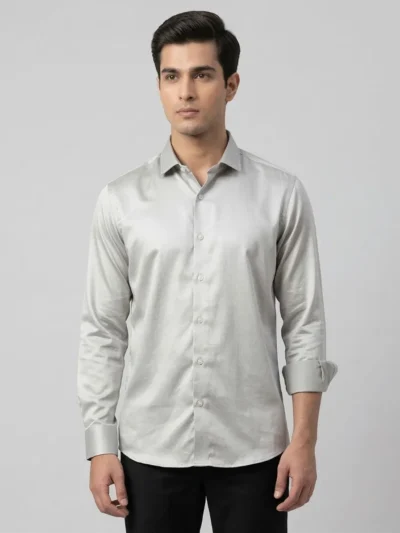
Giza-Silk | Light Grey Long-Staple Giza Cotton Shirt
Original price was: ₹1,499.₹1,199Current price is: ₹1,199.
Cooling Sleepwear: Comparing Linen to Cotton, Silk, and Synthetic Fabrics
Cotton is soft and breathable, yet it tends to retain moisture, making it feel soggy after a few hours. Silk offers a silky feel but can trap heat and is prone to static. Synthetic blends—polyester, nylon—excel at durability but are notorious for trapping heat and reducing airflow. Linen, on the other hand, outpaces all three when it comes to thermoregulation. Its natural fibers breathe like a cooling fan, and unlike cotton, it doesn’t become heavy when damp. This makes linen the go‑to choice for hot sleepers seeking a fabric that stays light, airy, and comfortable throughout the night.
Temperature Regulation Benefits of Breathable Pajamas Made from Linen
Because linen regulates temperature so effectively, it helps keep your core body temperature in the sweet spot for sleep. Cooler skin signals the brain that it’s time to drift into deeper, more restorative sleep stages. The fabric’s moisture‑wicking action also reduces the likelihood of night sweats, a common disruptor for many. In addition, linen’s durability means the cooling properties don’t fade after a few washes; the fibers actually become softer, enhancing comfort without compromising performance.
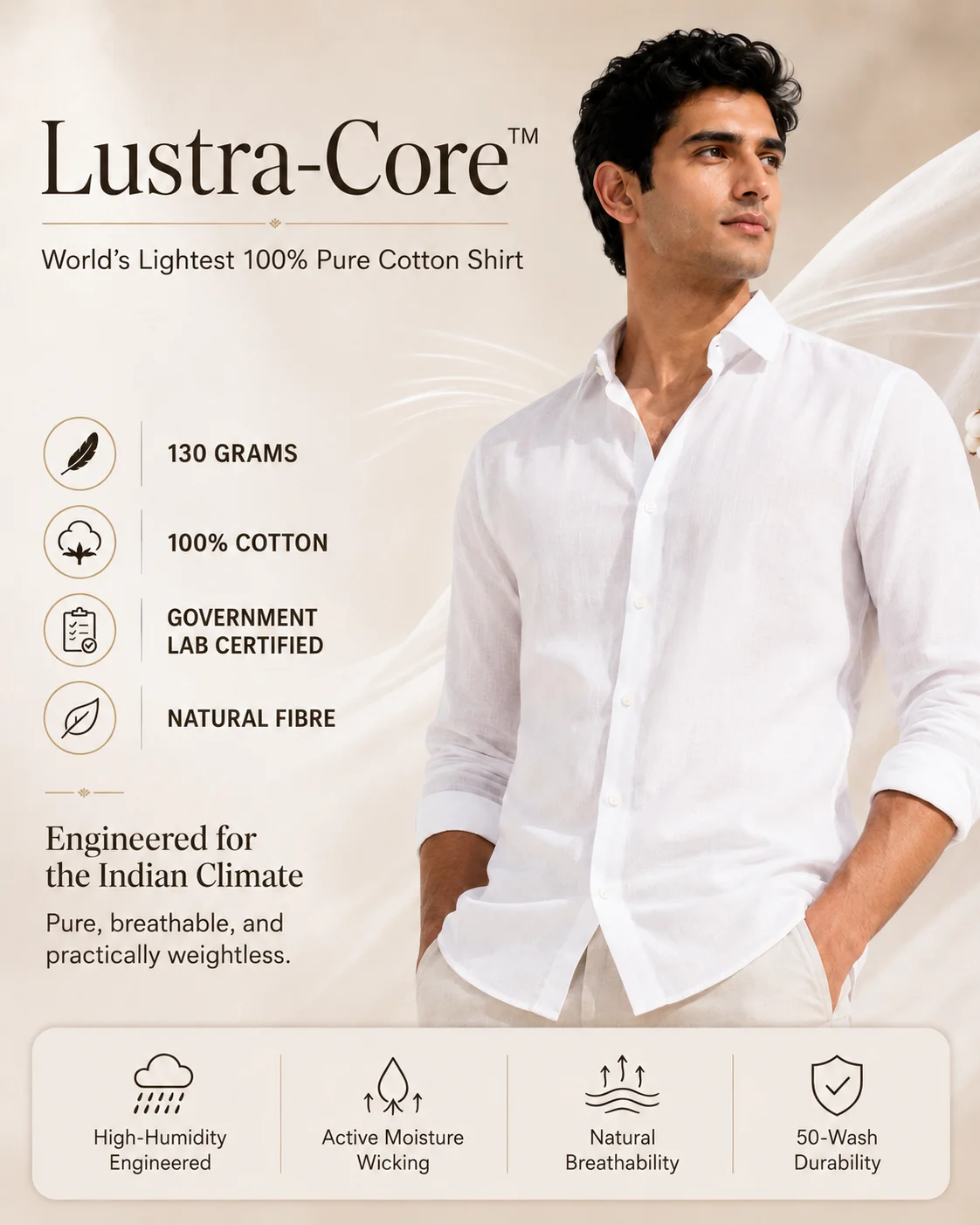
Lustra-Core™ Absolute White
Ultra-light pure cotton shirt engineered for Indian summers.
Mix & Match: Pairing Linen Sleepwear with Evening Loungewear – color palettes, textures, and accessories that keep the vibe cool and stylish. Linen’s muted, earthy tones pair beautifully with sleek evening loungewear. Think pastel hues—soft sage, dusty rose, or icy sky—combined with richer accents like deep indigo or charcoal. For a relaxed yet polished look, layer a light linen pajama set under a thin, unbuttoned linen shirt reminiscent of Pehanoge shirts, which adds a breezy, masculine touch. Throw on a pair of relaxed joggers in a complementary tone for a seamless transition from bedtime to a casual nightcap. Choose accessories made of natural materials—cotton socks, bamboo slippers, or a simple woven bracelet—to maintain that effortless, cool aesthetic. A minimalist watch or a silk eye mask can add a hint of luxury without warming the vibe.
What to Look for When Buying Linen Sleepwear: weave weight, thread count, finishing processes, and certifications that guarantee true cooling performance.
Not all linen is created equal. Pay attention to the weave: a looser, breathable weave (often labeled “light” or “summer weight”) offers the best airflow. While thread count isn’t as critical as with cotton, a count between 80 and 120 usually indicates a quality fabric that balances softness with durability. Look for garments that have been pre‑washed or stone‑washed; this process softens the fibers without sacrificing breathability. Certifications such as OEKO‑Tex or Global Organic Textile Standard (GOTS) assure that the linen is free from harmful chemicals and produced responsibly, ensuring both comfort and sustainability.
Why Linen is Perfect for Indian Summers: humidity considerations, cultural preferences for natural fabrics, and where to source high‑quality Indian linen brands.
India’s sweltering summers bring high humidity that makes synthetic fabrics feel oppressive. Linen’s natural ability to absorb and evaporate moisture makes it a cultural favorite, aligning with the long‑standing preference for breathable, natural textiles in Indian wardrobes. From traditional cotton kurtas to modern sleepwear, linen fits seamlessly into the Indian aesthetic—clean lines, subtle prints, and understated elegance. Brands based in India are now offering premium linen sleep collections, often blending local craftsmanship with contemporary designs. You can find these pieces in boutique stores across Mumbai, Delhi, and Bangalore, or explore reputable online platforms that specialize in sustainable Indian fabrics.
FAQs
Is linen truly breathable enough for people who sweat heavily at night?
Yes. Linen’s hollow fibers and high absorbency allow it to pull moisture away from the body and release it into the air far quicker than cotton or synthetics. This continuous cycle keeps the skin dry and cool, even for those who experience heavy night sweats.
Can I wash and care for linen pajamas without ruining their cooling properties?
Absolutely. Wash linen in cool, gentle cycles using a mild detergent, and avoid high‑heat drying which can stiffen the fibers. Air‑drying preserves the fabric’s softness and its moisture‑wicking ability. A gentle iron on low heat can restore smoothness if needed, but excessive heat should be avoided.
Do linen sleepwear pieces help with specific sleep health issues like insomnia or night sweats?
Research suggests that a cooler bedroom environment promotes deeper sleep stages, which can alleviate insomnia symptoms. Linen’s ability to regulate temperature and manage sweat reduces night‑time awakenings caused by overheating, making it a supportive choice for those dealing with night sweats or disrupted sleep patterns.
How does linen compare to bamboo or modal fabrics in terms of temperature regulation?
Bamboo and modal are soft and moisture‑wicking, yet they often retain more heat than linen because their fibers are denser and less porous. Linen’s unique hollow structure provides superior airflow and faster evaporation, giving it an edge in hot, humid conditions where rapid cooling is essential.
Linen’s blend of natural cooling, cultural resonance, and modern style makes it a compelling choice for anyone looking to escape the heat and reclaim restful nights. Whether you’re pairing it with a casually chic Pehanoge shirt or layering it under your favorite lounge set, the result is cool comfort that feels as good as it looks.