



Linen’s beauty lies in its breathable texture, but its tendency to shrink – or stretch! – can ruin even the most stylish shirt. This guide demystifies altering linen for a perfect fit, empowering you to take control of your wardrobe and embrace DIY tailoring. We’ll cover everything from understanding linen’s behavior to practical techniques and essential tools, all while keeping an eye on the Indian climate and lifestyle.
Understanding Linen’s Fabric Behavior: Why Shrinkage Happens (and How to Predict It)
Linen is made from the fibers of the flax plant, giving it a natural crispness that softens with wear. The very qualities that make it ideal for hot Indian summers—its breathability and moisture-wicking ability—also make it prone to dimensional changes:
Recommended for You
-
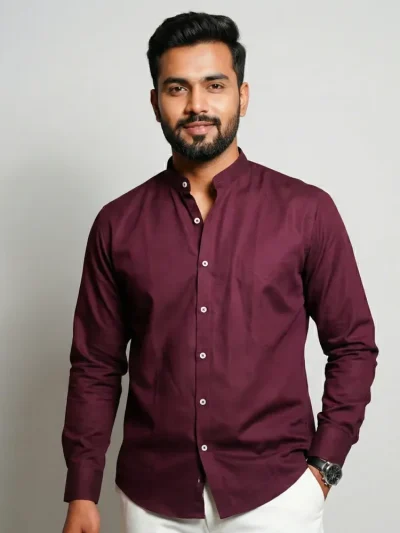
Essentials | WINE Enriched Cotton MANDARIN Coller Shirt
Original price was: ₹1,499.₹999Current price is: ₹999. -

Oxy-Linen™ | Cream Linen – 60 Lea European Linen Shirt
Original price was: ₹4,999.₹3,399Current price is: ₹3,399. -
Lustra-Core™ | World’s Lightest 100% Pure Cotton Shirt | Government Lab Certified.
Original price was: ₹3,499.₹2,399Current price is: ₹2,399.
- Fiber structure: The straight, long fibers contract when exposed to heat and moisture. A hot wash or tumble‑dry can cause up to 5 % shrinkage, sometimes more if the weave is loose.
- Weave tightness: Tighter weaves (often seen in higher‑grade Pehanoge shirts) shrink less than looser, airy weaves used for casual weekend wear.
- Pre‑wash treatment: Some manufacturers pre‑shrink the fabric; others leave it raw. Always check the care label – a “pre‑washed” tag usually means the shirt will stay close to its original size.
Predicting shrinkage is a matter of testing. Before you alter a favorite shirt, cut a small swatch of the same fabric and wash it as you intend to treat the whole piece. Measure the dimensions before and after; the difference gives you a reliable shrinkage factor for that batch.
Essential Tools for Altering Linen: Your DIY Tailoring Toolkit
You don’t need a professional workshop to work on linen, but a few quality tools make the job smoother and protect the delicate fibers:
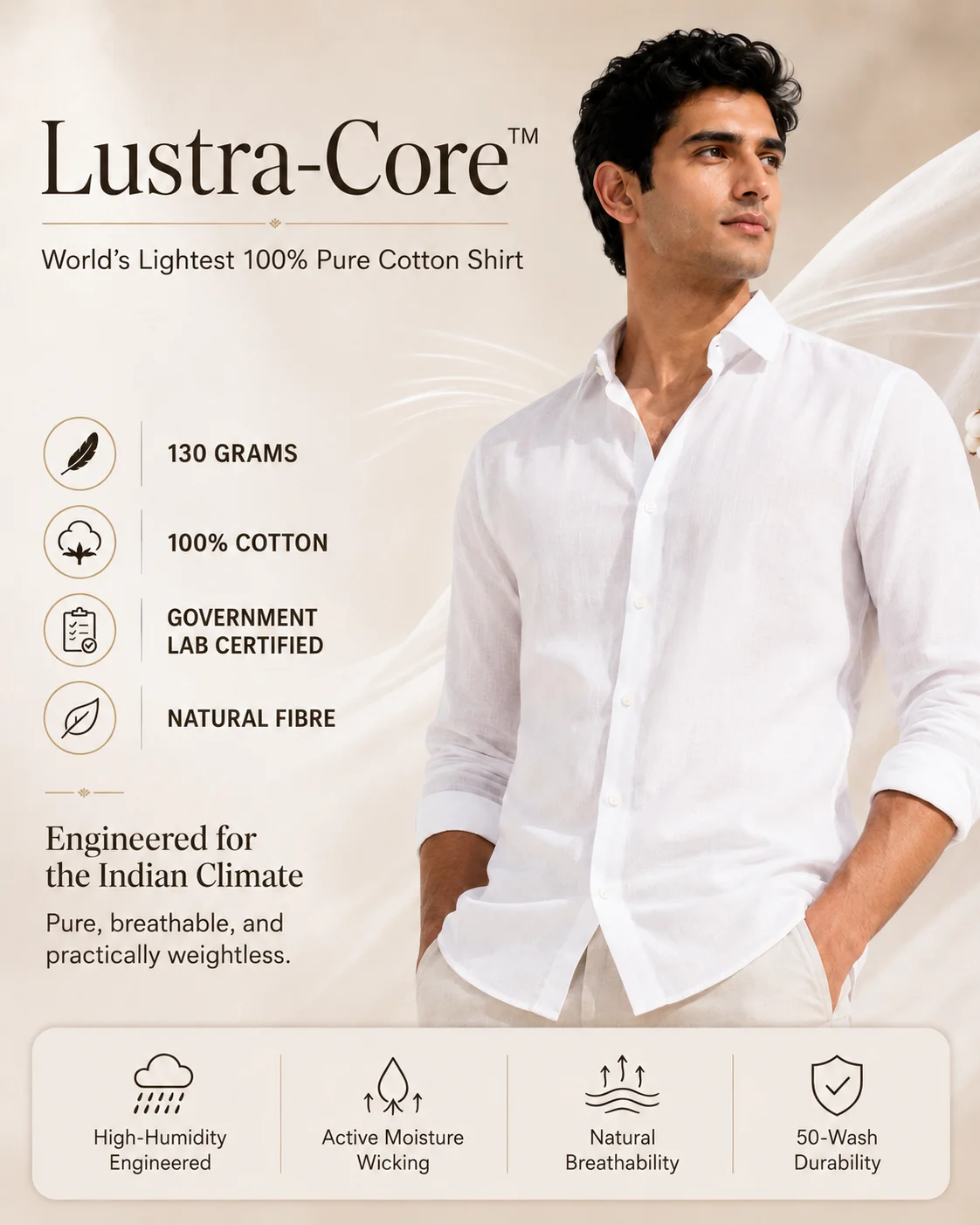
Lustra-Core™ Absolute White
Ultra-light pure cotton shirt engineered for Indian summers.
- Sharp fabric scissors – a clean cut prevents fraying.
- Universal seam ripper – for undoing factory stitches without damaging the weave.
- Tailor’s chalk or fabric pencil – lightweight marks that wash out.
- Fine‑tooth pins or linen‑friendly clips – regular pins can leave holes.
- Sewing machine with a straight‑stitch foot – a medium‑weight needle (80/12) works best.
- Iron with a steam setting – linen loves a good press; a pressing cloth protects the surface.
- Measuring tape and ruler – precision is key when you’re adding or removing even a centimetre.
A small hand‑held steaming iron, available in most Indian markets, is especially handy for on‑the‑spot adjustments.
Step-by-Step Guide to Shrinking Linen Shirts: Minimizing the Results
If your linen shirt feels a size too large, controlled shrinking can bring it back into shape without sacrificing comfort.
- Pre‑wash test – soak a hidden seam or pocket in warm water (40‑45 °C) for 10 minutes, then tumble on low heat for 5 minutes. Check the change.
- Full wash – turn the shirt inside out, use a mild detergent, and set the machine to a warm wash (30‑35 °C). Avoid harsh chemicals that weaken the fibers.
- Gentle tumble – if you have a dryer, use the “air‑dry” or “low heat” setting for 10‑15 minutes. In many Indian homes, air‑drying on a shaded balcony works just as well and reduces the risk of over‑shrinking.
- Steam press – while the shirt is still damp, press with a steam iron. The heat will contract the fibers further and set the new size.
- Measure and repeat – if the shirt is still a bit loose, repeat steps 2‑4, but no more than two cycles total; excessive heat can make linen brittle.
For a subtle shrink, you can also hand‑wash in lukewarm water, then roll the garment in a towel and press with the iron on a low setting.
Mastering Linen Stretching: How to Add Room While Preserving Structure
When a shirt is too tight—perhaps after a pre‑shrink or because you prefer a looser drape—stretching must be done delicately.
- Dampen the garment – spray the areas you want to expand (usually the side seams or back) with lukewarm water until just moist.
- Clamp with pins – place fine‑tooth pins along the seam line, pulling the fabric outward to the desired width. Keep the pins parallel to the grain to avoid distortion.
- Steam while pinning – pass a steam iron over the pinned area, allowing the heat to relax the fibers while the pins hold the new shape.
- Sew a temporary stitch – using a loose running stitch, secure the expanded seam. This “stay stitch” prevents the fabric from snapping back.
- Finish with a proper seam – remove the temporary pins, trim any excess seam allowance, and sew a clean, reinforced stitch with a medium‑weight thread.
For cuffs and collars, a small amount of stretch can be achieved by gently pulling the fabric while it is damp and reshaping it before the final press.
Precision Alterations: Hemming, Sleeves, and Collar Adjustments for a Flawless Fit
Even after size adjustments, the details make the difference between a casual look and a polished ensemble.
- Hemming – Fold the raw edge twice (about 1 cm each) and press. Stitch a blind hem for an invisible finish; linen shows visible stitches easily.
- Sleeve tapering – Lay the shirt flat, mark the desired taper with chalk, and cut a small “V” shape from the seam allowance. Sew with a straight stitch, then finish the raw edge with a narrow zigzag to prevent fraying.
- Collar reshape – If the collar feels tight, dampen it slightly, then gently pull the corners outward and iron flat. For a loose collar, add a small piece of interfacing (lightweight cotton) on the underside before re‑sewing.
When working on a Pehanoge linen shirt, pay special attention to the button placket; a neat finish here elevates the whole piece.
Styling Beyond Alterations
Linen shirts look fantastic worn with relaxed chinos, tailored trousers, or even jeans. Consider layering with a lightweight cardigan or blazer for cooler evenings, especially in the evenings of Delhi or Mumbai where temperature swings are common. A well‑chosen leather belt and a pair of loafers or classic brogues complete the look. Think classic, effortless elegance—that’s the linen vibe. For a semi‑formal gathering, pair a crisp white linen shirt with navy tailored trousers and a subtle silk tie; the breathable fabric keeps you comfortable while the silhouette stays sharp.
Buying Guide: Choosing the Right Linen for DIY Success
Investing in high‑quality linen is key to success.
- Weave density: Tight weaves shrink less and hold shape better; look for a thread count of 120 + for shirts.
- Color considerations: Lighter shades showcase wrinkles, while darker tones hide them. If you plan to alter frequently, a mid‑tone like stone or olive offers a good balance.
- Care label: Some linens are “pre‑shrunk” or blended with a small amount of cotton for extra softness. Blends shrink less but may not drape as naturally.
- Fabric feel: Run your fingers over the cloth; a smooth, slightly crisp hand indicates higher quality flax fibers.
When shopping in Indian markets, ask the vendor about the source of the linen—European flax tends to be finer, while Indian‑grown fibers can be sturdier, ideal for everyday casual wear.
Indian Context: Linen in the Everyday Wardrobe
Linen’s popularity in India spikes during the scorching summer months, from April to June, when cotton can feel clingy. A lightweight linen shirt pairs well with a pair of crisp white sneakers for a weekend brunch in Bangalore or with traditional joggers for a relaxed office look in Hyderabad. For semi‑formal occasions—weddings, cocktail parties, or a day at the club—choose a structured linen kurta or a shirt with subtle embroidered detailing to respect cultural aesthetics while staying cool.
Local tailors are invaluable allies. Many Indian tailors are accustomed to working with khadi and can adapt their techniques for linen, adding canvas at the shoulders or reinforcing the back yoke to maintain shape. Don’t hesitate to ask for a “slight taper” or “extra room at the side seams” when you bring in a shirt; their experience with regional body types will help you achieve a flawless fit.
FAQs
How much shrinkage can I expect from a linen shirt?
Typically 3‑5 % on a warm wash, but it can reach up to 8 % if the fabric is loosely woven or if you tumble‑dry on high heat. Pre‑washed shirts shrink less, often staying within 1‑2 %.
What’s the best way to pre‑shrink a linen shirt before washing?
Wash it inside out in warm water (30‑35 °C) with a mild detergent, then air‑dry in the shade. Follow with a short steam press while still damp. This process sets the fibers and reduces further shrinkage after future washes.
Can I use a sewing machine to stretch linen fabric?
Yes, but only after the fabric is damp. Pin the desired stretch, steam, then sew a loose running stitch to hold the new width. Finish with a reinforced seam to keep the stretch permanent. Avoid high tension settings; linen can break under excessive strain.
What are some common mistakes to avoid when altering linen shirts?
- Using regular pins: They leave permanent holes. Opt for fine‑tooth pins or clips.
- Over‑pressing with a dry iron: This can scorch the fibers. Always use steam or a pressing cloth.
- Cutting too much seam allowance: Linen frays easily; keep at least 1 cm extra until you’re sure of the new fit.
- Skipping the test swatch: Without a trial, you risk over‑shrinking or over‑stretching the whole shirt.
By understanding linen’s quirks, equipping yourself with the right tools, and following these practical steps, you can keep your shirts looking sharp season after season, whether you’re strolling through the lanes of old Delhi or heading to a rooftop cocktail in Pune.