


Ever wondered why alinen shirt feels cooler than cotton on a scorching Indian summer? The answer starts long before the fabric reaches your wardrobe, in the ancient stages of scutching and heckling that transform raw flax into the airy textile we love. These processes strip away the unwanted parts of the plant and fine‑tune the fibers, giving linen its signature breathability and strength. It’s a story that blends tradition with modern sensibilities, and it explains why a well‑crafted linen piece can become the centerpiece of a relaxed yet polished look.
Scutching Decoded: How the Flax Stalk Is Crushed and Cleaned
Scutching is the first mechanical step after harvesting the flax plant. The stalks are passed through heavy rollers that crush them, breaking the woody core and loosening the fibers. What remains is a bundle of retted stalks that still carry a layer of unwanted bark and pith. The scutcher then uses a series of beaters and brushes to sweep away these impurities, leaving behind long, clean fibers ready for the next stage. This cleaning is crucial because any residual moisture or debris can affect the fineness of the final yarn, influencing how soft or crisp the linen will feel against the skin.
Recommended for You

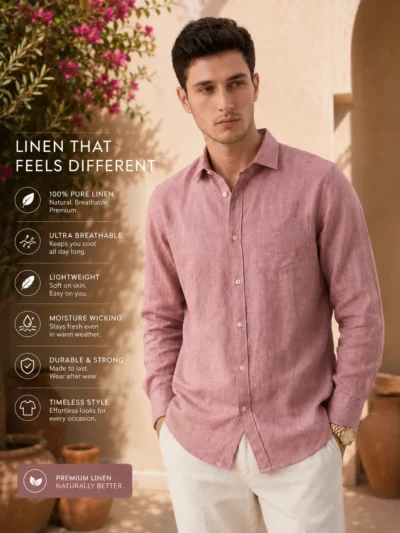
Oxy-Linen™ | Dusty Rose – 60 Lea European Linen Shirt
Original price was: ₹4999.00.₹3399.00Current price is: ₹3399.00.-
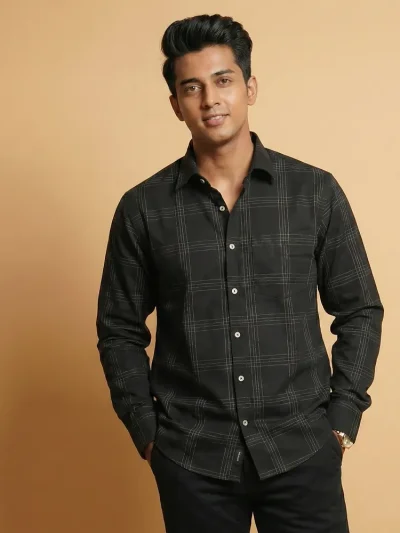
RUGGED-NAP | BLACK CHECKED SHIRT
Original price was: ₹1499.00.₹1299.00Current price is: ₹1299.00. -
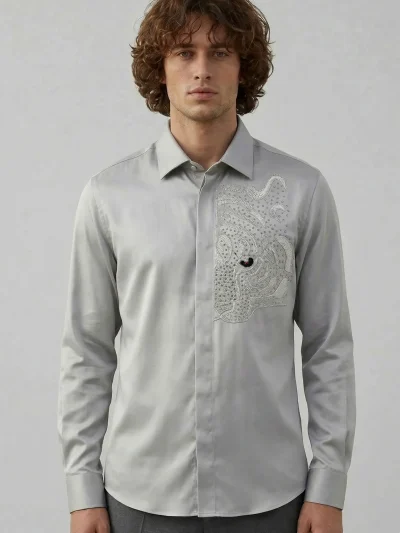
Noble Stitch | White Tiger Giza Cotton Shirt
Original price was: ₹1999.00.₹1599.00Current price is: ₹1599.00.
Heckling Explained: The Fine Art of Combing Flax Fibers
Once the stalks have been scutched, the fibers are still bundled together. Heckling involves drawing the fibers through a series of fine-toothed combs called heckles. These combs separate the longer, stronger fibers from the shorter, weaker ones, aligning them in a parallel fashion. The result is a clean, even strand of fiber that can be spun into a fine, uniform yarn. The quality of the heckled fiber directly impacts the texture of the linen: longer fibers produce a smoother, more durable fabric, while a mixture of lengths can lead to a rougher hand feel. This meticulous sorting is why high‑grade linen often commands a premium price.
The Linen Production Process: Why Scutching vs Heckling Defines Fabric Quality
The interplay between scutching and heckling sets the tone for the entire linen production process. If scutching is insufficient, residual impurities will infiltrate the yarn, causing weak spots that may unravel over time. Likewise, inadequate heckling can leave a heterogeneous mix of fiber lengths, resulting in a fabric that feels uneven and may wear unevenly. Designers and manufacturers who understand these steps can better control thread count, weave density, and finish treatments, ensuring that the end product meets the expectations of discerning customers who value both aesthetics and longevity.
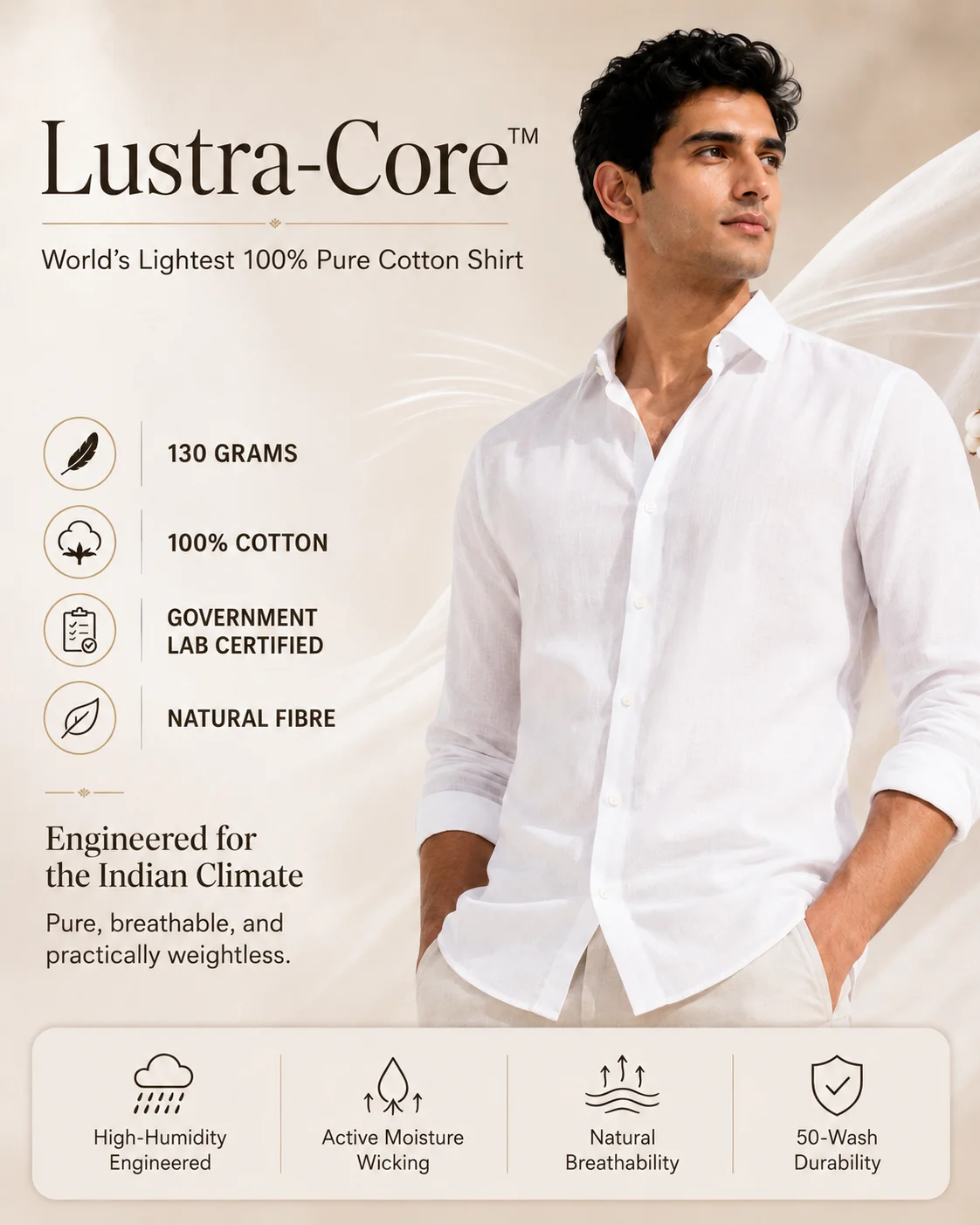
Lustra-Core™ Absolute White
Ultra-light pure cotton shirt engineered for Indian summers.
From Field to Fit: How Flax Becomes the Linen in Your Summer Suit
After the fibers are harvested, cleaned, and combed, they are spun into yarns that are woven on looms to create the linen fabric we recognize. The weaving stage can introduce subtle variations—such as a slightly looser weave for a breezier drape or a tighter weave for added structure. Once the cloth is dyed, finished, and cut, it undergoes rigorous quality checks before being stitched into garments. This journey from field to finished shirt explains why a well‑made linen piece can transition effortlessly from a casual office environment to an evening rooftop gathering without losing its shape or sheen.
Styling Your Summer Linen Look
A lightweight linen blazer paired with a crisp white tee and relaxed chinos makes for an effortless summer ensemble that feels both refined and relaxed. Roll the sleeves halfway, leave the top button undone, and slip on a pair of leather loafers for a look that shifts smoothly from brunch to after‑work drinks. For a more casual vibe, you can layer a Peh… linen shirt under an open‑collared shirt, letting the natural texture peek through. The breathable nature of linen ensures you stay comfortable even when the temperature climbs, while its subtle sheen adds a touch of understated elegance to any outfit.
Buying Guide: What to Look for in Linen
When you’re shopping for linen, a few key factors can help you pick the right piece. First, examine the fiber length—longer fibers translate to a smoother, stronger fabric. Next, feel the weave; a tight, even weave indicates careful processing, while a loose or uneven texture may suggest shortcuts in scutching or heckling. Finally, check the finish—linen that has been lightly stone‑washed or enzyme‑treated feels softer without compromising durability. Paying attention to these details ensures you invest in garments that look good and stand the test of time.
Linen in India: Tradition Meets ModernityIndia’s relationship with linen stretches back centuries, where it was traditionally woven into khaddar and other native textiles. Today, sustainable farming initiatives in states like Rajasthan and Maharashtra are revitalizing Indian-grown flax, offering a locally sourced alternative to imported linen. This resurgence aligns with a growing consumer appetite for eco‑friendly fabrics, and it’s prompting designers to blend heritage techniques with contemporary cuts. The result is a new wave of linen apparel that honors traditional craftsmanship while meeting the style demands of modern Indian wardrobes.
FAQs
What is the difference between scutching and heckling in flax processing?
Scutching mechanically crushes and removes the bulk of non‑fiber material from the flax stalks, while heckling uses fine combs to separate long, high‑quality fibers from shorter, weaker ones. The former prepares the raw material, and the latter refines it for spinning.
How does the linen production process affect the feel and durability of the final fabric?
Controlled scutching eliminates impurities that can weaken yarn, and precise heckling ensures a uniform fiber length. Together they produce a fabric that is soft, breathable, and strong, influencing both the hand feel and how well the material withstands repeated wear.
Can scutching and heckling be mechanized, and does that change linen quality?
Yes, modern equipment can automate both steps, increasing throughput and consistency. When mechanization maintains proper settings, quality can remain high; however, overly aggressive machines may damage fibers, leading to a coarser texture and reduced durability.
Why is Indian-grown flax gaining attention in the global linen market?
Indian flax benefits from favorable climate conditions and traditional cultivation practices that yield long, resilient fibers. Moreover, increasing emphasis on sustainable sourcing makes locally produced flax an attractive option for brands seeking to reduce carbon footprints while supporting regional farmers.