


In the evolving conversation around menswear, there’s something subtle yet powerful emerging—linen as more than a summer fabric. It’s becoming a philosophy rooted in intentional living, a thread that connects ancient traditions with modern design. For many in India, where the climate demands comfort without compromise, Japanese linen offers a quiet elegance that resonates deeply.
The Zen of Texture: Why Japanese Linen Style Prioritizes Imperfection
Indian fashion has long embraced simplicity, but few realize how Japanese textile heritage deepened this ethos. Linen from Japan isn’t about perfectly engineered perfection; it’s about embracing the natural imperfections that tell a story. This approach mirrors the traditional Indian handlooms that celebrate variations in weave and color. By choosing linen with a discreet edge or a soft natural sheen, you align with a mindset that values mindfulness over mass production. The result is wear that feels both grounded and thoughtfully crafted.
Recommended for You
-
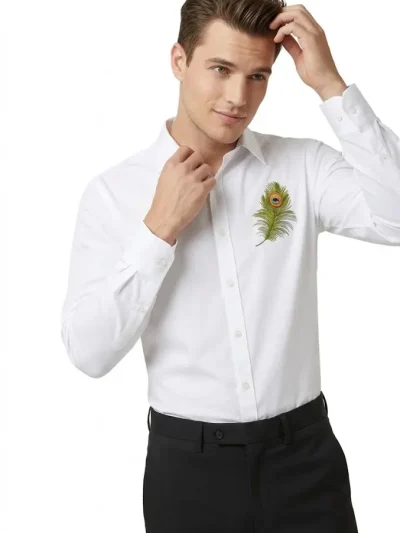
Noble Stitch | Royal Feather Giza Cotton Shirt
Original price was: ₹1,999.₹1,599Current price is: ₹1,599. -
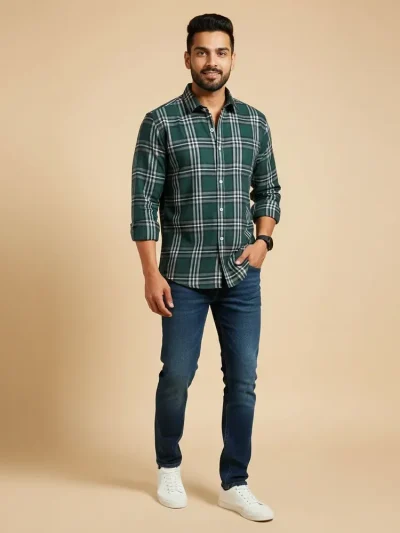
RUGGED-NAP | GREEN CHECKED SHIRT
Original price was: ₹1,499.₹1,299Current price is: ₹1,299. -
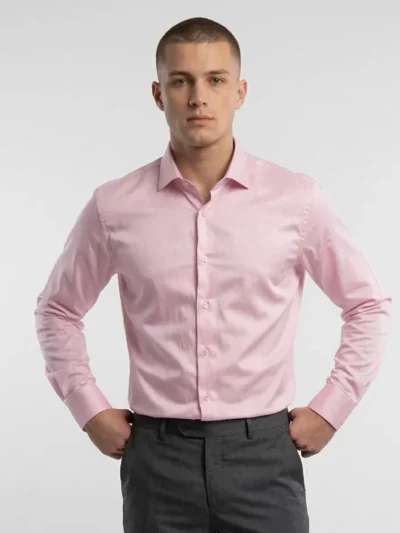
Giza-Silk | Blossom Pink Long-Staple Giza Cotton Shirt
Original price was: ₹1,499.₹1,199Current price is: ₹1,199.
From Edo-period Hemp to Modern High-Quality Japanese Flax
The journey of linen in Japan dates back centuries, evolving from hemp to refined flax. Today, the focus is on sourcing long-staple fibers that resist wrinkle and age gracefully. Indian consumers can appreciate this progression, seeing how Japanese mills have honed the craft over generations. This connection bridges historical wisdom with contemporary style, offering a fabric that withstands the heat of summers while staying true to its minimalist roots.
Decoding the Muji-Style Fashion Blueprint: Neutrality and Utility
What sets Japanese linen apart in the quiet luxury space is its Muji-inspired philosophy. Neutral hues—think oatmeal, indigo, and slate—allow the garment to blend seamlessly into daily life. This is perfect for the Indian urban dweller who values versatility. The utilitarian edge of Muji-style fashion isn’t about restricting choices but expanding possibilities, letting you dress simply without compromise. It’s a subtle nod to hygiene and ease, foundational in a climate where practicality matters.
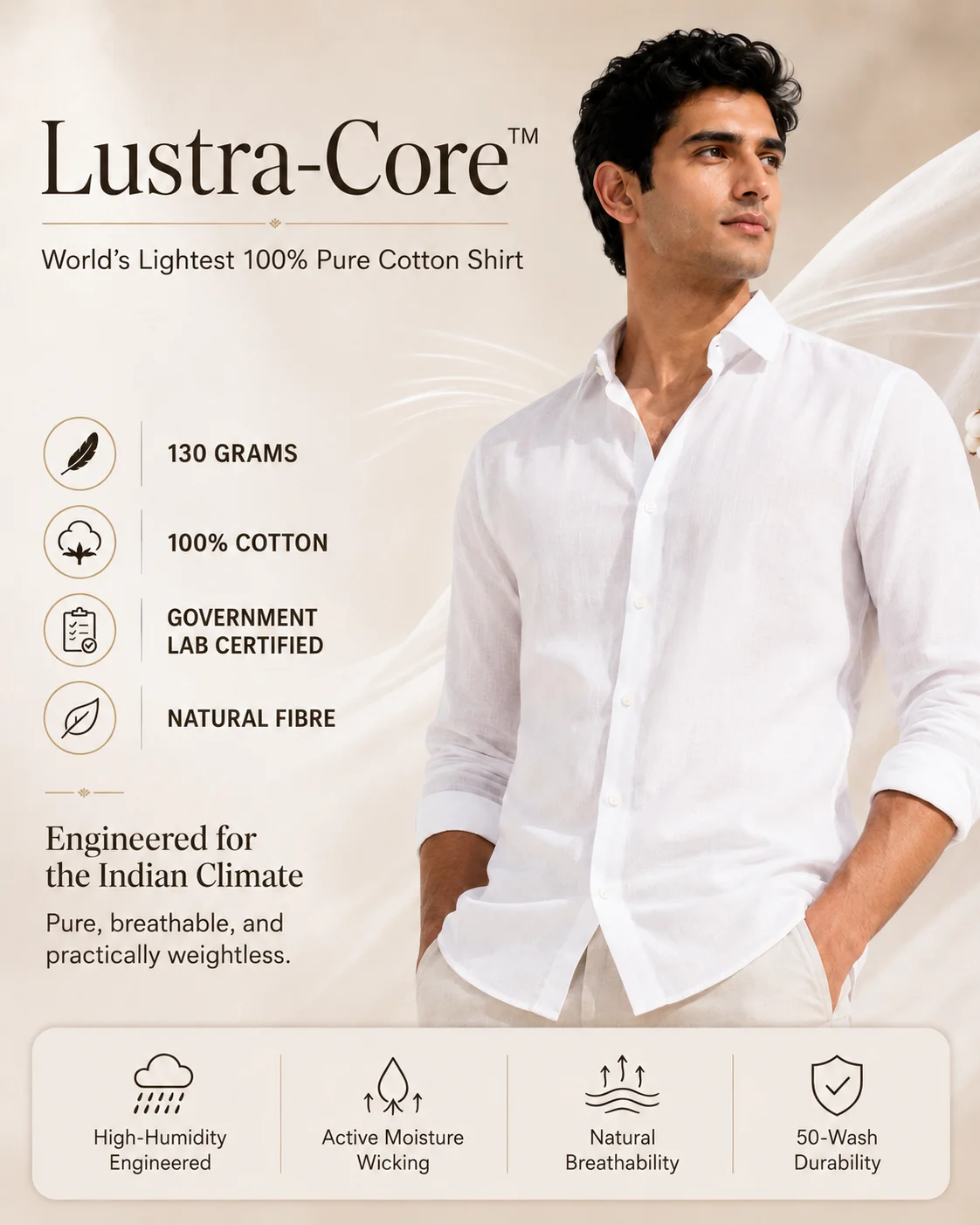
Lustra-Core™ Absolute White
Ultra-light pure cotton shirt engineered for Indian summers.
The Architecture of Drape: How Japanese Silhouettes Redefine Linen Wear
In Japanese design, drape speaks volumes. A well-cut linen shirt paired with wide-leg trousers speaks to a balance of structure and relaxation. Indian minds can appreciate how this silhouette softens the lines of the body while maintaining a strong frame. The architecture of the garment—how it moves with you—becomes a meditation on comfort and control. This thoughtful design invites a slower pace, a reminder that true style lies in intention.
FAQs
Does Japanese linen wrinkle more than European linen?
Japanese linen tends to retain its shape better due to its precise weaving and natural fibers. But with proper care, it can achieve a similar fabric feel to European lines.
How does Muji-style fashion differ from standard minimalism?
Muji fashion emphasizes not just simplicity but intentionality. It’s about quality, function, and a quiet confidence in what you wear—qualities that resonate deeply in Indian lifestyles.
What are the best colors for a Japanese-inspired linen capsule wardrobe?
Colors like oatmeal, indigo, and slate work beautifully. These tones echo both Japanese aesthetics and the warm tones of Indian textiles, creating a unified visual language.
How should I care for high-quality Japanese flax to ensure longevity?
Handling linen gently and storing it in a cool, dry place preserves its integrity. Proper washing—avoiding harsh agitation—extends its life, making it a sustainable choice for the conscious consumer.
Indian wearers are beginning to see how these threads intertwine, crafting wardrobes that honor tradition while speaking to today’s needs. Linen, in this context, becomes more than fabric; it’s a way of living with purpose.