


Why Linen Stands Out in Sustainable Interior Design
Linen’s rise in sustainable interior design isn’t just about its environmental credentials—it’s about how this ancient fabric aligns with modern living. Grown from flax plants, linen requires less water and fewer pesticides compared to cotton, making it a gentler choice for the planet. In India, where summers are sweltering and humidity is a constant companion, linen’s breathability offers a practical solution to staying cool without over-relying on air conditioning. This makes it particularly appealing to eco-conscious homeowners looking to reduce their carbon footprint while maintaining comfort. For someone familiar with Indian casual wear, like Pehanoge shirts crafted from lightweight, versatile fabrics, the connection between sustainable textiles in clothing and home decor becomes intuitive. Linen’s ability to move with the body, whether in a shirt or a curtain, underscores its timeless appeal.
Linen in Home Decor: From Tablecloths to Natural Fabric Curtains
Linen’s versatility shines in everyday home items. Tablecloths woven from linen add a texture that’s both elegant and practical, perfect for Indian dining spaces where meals are often shared and stains or spills are common. Its durability ensures it withstands frequent use, a quality that resonates with the practicality valued in Indian households. Curtains made from linen are another favorite, especially in regions with intense sunlight. Unlike synthetic fabrics, linen filters light softly, creating a serene ambiance while maintaining privacy. In coastal or humid Indian cities like Mumbai or Kochi, linen curtains resist mold better than cotton, a key advantage in maintaining decor longevity. Layering linen curtains with sheer fabrics can add depth, much like how a Pehanoge shirt pairs well with a light jacket in transitional weather—a duality of functionality and style.
Recommended for You

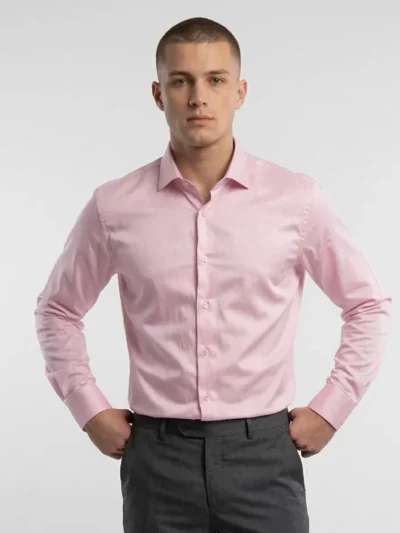
Giza-Silk | Blossom Pink Long-Staple Giza Cotton Shirt
Original price was: ₹1499.00.₹1199.00Current price is: ₹1199.00.-
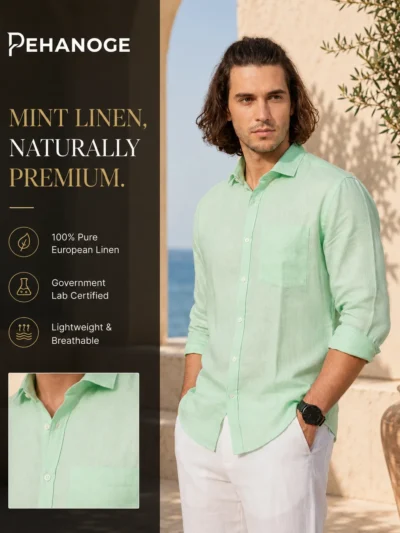
Oxy-Linen™ | Mint Green – 60 Lea European Linen Shirt
Original price was: ₹4999.00.₹3399.00Current price is: ₹3399.00. -
RUGGED-NAP | BLACK CHECKED SHIRT
Original price was: ₹1499.00.₹1299.00Current price is: ₹1299.00.

Innovative Linen Upholstery: Style Meets Sustainability
Upholstery is where linen truly transforms spaces. Sofas, armchairs, or even benches wrapped in linen offer a soft, plush feel that contrasts beautifully with concrete or metal modern interiors. In Indian homes, where traditional craftsmanship often takes precedence, upholstered linen furniture can blend heritage and contemporary design. For instance, handloomed linen cushions inspired by sari motifs or geometric patterns can add cultural flair to minimalist rooms. Upholstery in linen also addresses the cooling needs of hot climates, as it doesn’t retain heat like synthetic materials. When considering cost, linen upholstery may seem pricier upfront compared to cotton or polyester, but its longevity and ease of maintenance—especially in humid conditions—make it a cost-effective choice over time.
Creating Eco-friendly Homes with Linen: Practical Tips
Incorporating linen into an eco-friendly home doesn’t require a complete overhaul. Start with small accents like bed linens, which can be washed regularly without wear. For those wary of linen’s wrinkles, blending it with hemp or bamboo fabrics can maintain a relaxed texture while reducing care needs. In Indian contexts, leveraging local artisans to weave or print linen adds authenticity and supports sustainable livelihoods. In cities like Jaipur or Varanasi, where block-printing is a traditional practice, linen can be dyed with natural pigments, aligning with the ethos of eco-conscious decor. Another tip is to mix linen with other sustainable materials—think bamboo rugs or jute baskets—to create a layered, textured space that feels organic rather than forced.
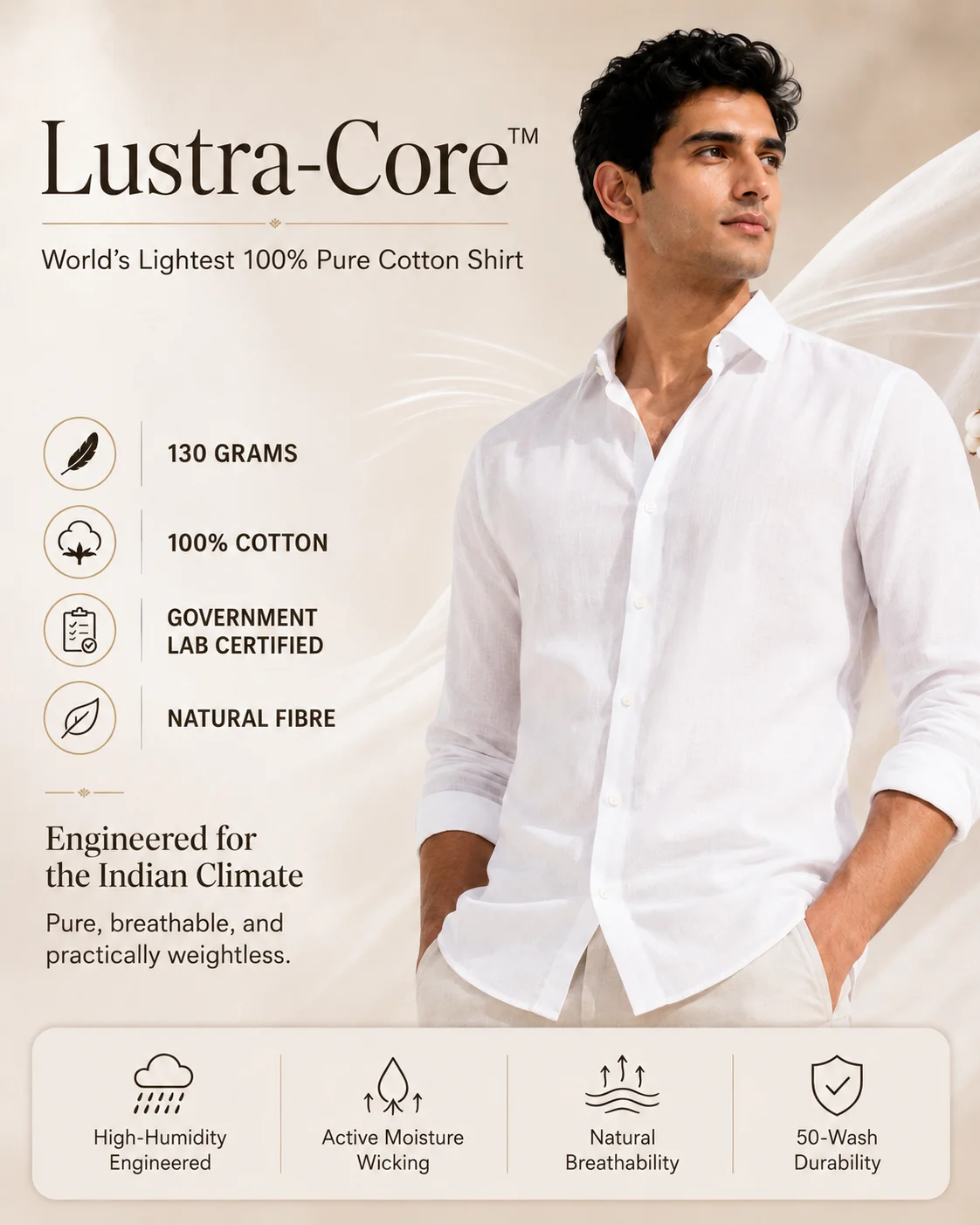
Lustra-Core™ Absolute White
Ultra-light pure cotton shirt engineered for Indian summers.
Case Studies: Indian Homes Embracing Linen in Modern Decor
Several Indian households have successfully merged linen with modern aesthetics. In a bustling Delhi apartment, a family replaced synthetic curtains with wrinkled linen panels, which softened the harsh sunlight while maintaining a chic look. The linen’s natural sheen added warmth to their minimalist decor. In a coastal Kerala home, linen upholstery in a cottage was paired with handwoven hemp throws, creating a space that’s both functional and deeply rooted in local materials. Another example comes from Bengaluru, where a tech startup office incorporated linen desk dividers and chair covers. The fabric’s breathability proved ideal for back-to-back meetings, reducing the need for frequent cleaning. These cases highlight how linen adapts to diverse lifestyles, balancing modernity with tradition.
Incorporate Linen in Accents for Textural Depth
Linen works best when layered with complementary materials. For instance, pairing linen curtains with bamboo window frames creates a natural, cohesive look. In a living room, linen throw pillows on a jute rug can add warmth without overwhelming the space. In Indian homes, where dual-use fabrics are common (like a sari being repurposed into a table runner), linen can follow a similar ethos. A linen tablecloth in a home office, used alongside recycled paper notebooks or a handwoven hemp mat, fosters a sustainable workspace. Pehanoge shirts, crafted from the same breathable linen fabric, can inspire a cohesive style—imagine wearing a Pehanoge linen shirt while relaxing in a linen-upholstered armchair. The fabric’s versatility bridges clothing and decor, creating a unified aesthetic.
Key Factors to Consider When Shopping Linen for Home Decor
When buying linen for home use, quality matters. Look for tightly woven linen to ensure durability, especially in high-traffic areas or humid climates. In India, where access to certified products can be limited, checking for eco-labels like GOTS (Global Organic Textile Standard) or OEKO-TEX is crucial to avoid chemically treated fabrics. Weave weight is another consideration—heavier weaves are sturdier, while lighter ones are better for accents like curtains. Care-wise, linen should be machine-washed in cold water to prevent shrinkage, a tip particularly relevant for Indian summers when quick drying is essential. For upholstery or furniture, opt for linen treated with eco-friendly finishes to resist stains and odors, common concerns in humid regions.
How Traditional Indian Textiles Bring a Fresh Perspective to Linen Use
India’s textile heritage offers unique ways to style linen. Sari-inspired block prints or georgette-like weaves in linen can add a festive touch to contemporary spaces. Handloom techniques, such as those used in Kanchipuram or Jamdani, can be adapted to create linen duvets or bureau cloths, blending old-world craftsmanship with modern sustainability. In humid climates like Chennai or Thiruvananthapuram, linen’s mold-resistant properties make it ideal for drapes or furniture, addressing both style and practicality. Local artisans in Rajasthan or Gujarat often dye linen with natural indigo or turmeric, creating vibrant yet eco-friendly options. Pehanoge’s approach to using linen in casual wear—lightweight, adaptable, and effortlessly stylish—mirrors how this fabric can be integrated into home decor: a fabric that moves with life’s rhythms rather than dictating them.
FAQs
What makes linen a sustainable choice for home decor?
Linen is sustainable because it’s derived from flax, a crop that requires minimal water and no chemical fertilizers. Its durability also means less frequent replacement, reducing waste—a concept that aligns with the practicality valued in Indian households and the care taken with clothing like Pehanoge shirts.
Can linen curtains withstand heavy window usage and high humidity?
Yes, linen curtains are highly resistant to humidity and UV damage, making them ideal for India’s variable weather. While they may show wear in high-use windows, their ability to resist mold and mildew ensures longevity, especially when paired with proper care like regular airing out.
How does linen upholstery compare cost-wise to other natural fabrics?
Linen upholstery can be more expensive initially than cotton or hemp, but its longevity and low maintenance make it cost-effective over time. In Indian markets, handwoven or locally sourced linen may offer better value, especially when considering its adaptability to hot, humid conditions.
What are the best maintenance practices for linen furniture in an Indian home?
Avoid direct sunlight to prevent fading, and spot-clean spills immediately. In humid regions, ensure good ventilation to prevent mustiness. Washing in cold water and drying in shaded areas helps maintain the fabric’s integrity. For upholstered pieces, using a fabric protector designed for natural fibers can extend lifespan.