


A decade ago, I bought a simple linen shirt from a small boutique in Delhi’s Chandni Chowk. It wasn’t much to look at—just off-white, slightly oversized, with mother-of-pearl buttons. But over the next ten years, through monsoons in Mumbai, road trips across Rajasthan, and countless washes in a city where hard water turns whites yellow, it didn’t just survive—it evolved. The shirt became softer, more supple, its creases no longer looking rumpled but purposeful, like armor worn smooth by time. For men who obsess over wardrobe longevity, this single piece taught me something profound: the best clothing isn’t just bought, it’s earned.
Year‑by‑Year: Tracking the Fabric Aging Process of Linen
In year one, the shirt was stiffer than expected. Linen’s reputation for wrinkling terrified me initially, but after a few months, the fibers began to relax. By year three, it had molded to my frame, developing a natural drape that synthetic blends could never replicate. Around year five, subtle slubs—those tiny texture variations—became part of its charm. They weren’t flaws; they were proof of the fabric’s honesty. By year seven, the color had faded to a creamy beige, and the buttons showed slight wear. Each year told a story, and the shirt became less of a garment and more of a journal.
Recommended for You
-
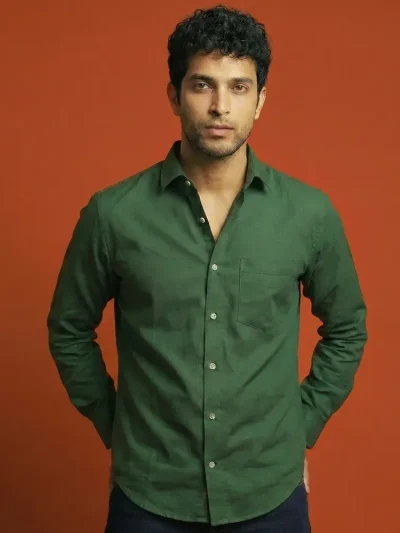
Essentials | HUNTER GREEN Enriched Cotton Shirt
Original price was: ₹1,499.₹999Current price is: ₹999. -
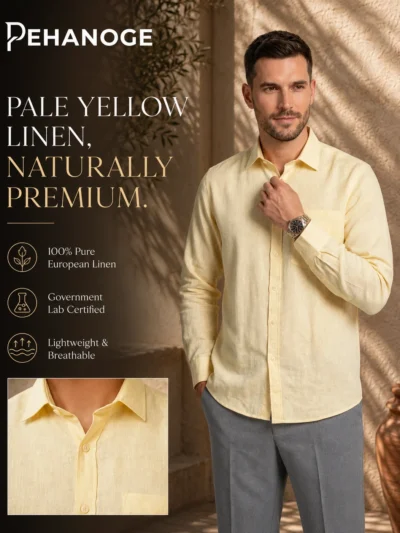
Oxy-Linen™ | Sunlight Yellow – 60 Lea European Linen Shirt
Original price was: ₹4,999.₹3,399Current price is: ₹3,399. -
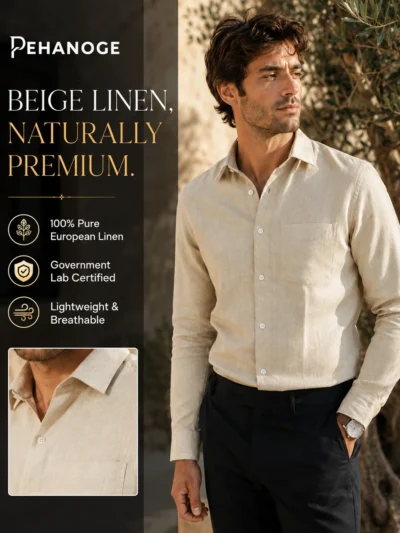
Oxy-Linen™ | Natural Beige – 60 Lea European Linen Shirt
Original price was: ₹4,999.₹3,399Current price is: ₹3,399.
Durable Clothing Review: How Linen Stands Up to Real‑World Stress Tests
Linen’s durability surprised me most during a particularly harsh summer in Delhi. While polyester shirts clung with sweat, linen breathed effortlessly. The real test came during a train journey from Delhi to Kolkata in 2019. For three days, the shirt was crumpled in a bag, then worn again without iron. Instead of looking worn out, it looked lived-in. The seams held, the hems didn’t fray, and even after machine washing on hot cycles, it emerged unscathed. Compared to cotton or blends, linen’s natural fiber strength—up to 30% stronger when wet—meant it shrugged off stress. Brands like Pehanoge have mastered this balance, crafting casual wear that ages gracefully without sacrificing structure.
From Fresh to Patinated: The Value Over Time of Well‑Loved Linen Pieces
There’s something almost meditative about watching linen develop character. By year eight, the shirt had a few faint tea stains—proof of late-night work sessions and morning chai. These weren’t flaws but badges of use. The collar had softened into a perfect curve, and the cuffs showed just enough wear to suggest countless rolls-up-sleeves moments. In a world of fast fashion, this patina felt revolutionary. It wasn’t about looking new; it was about looking like you’d lived.
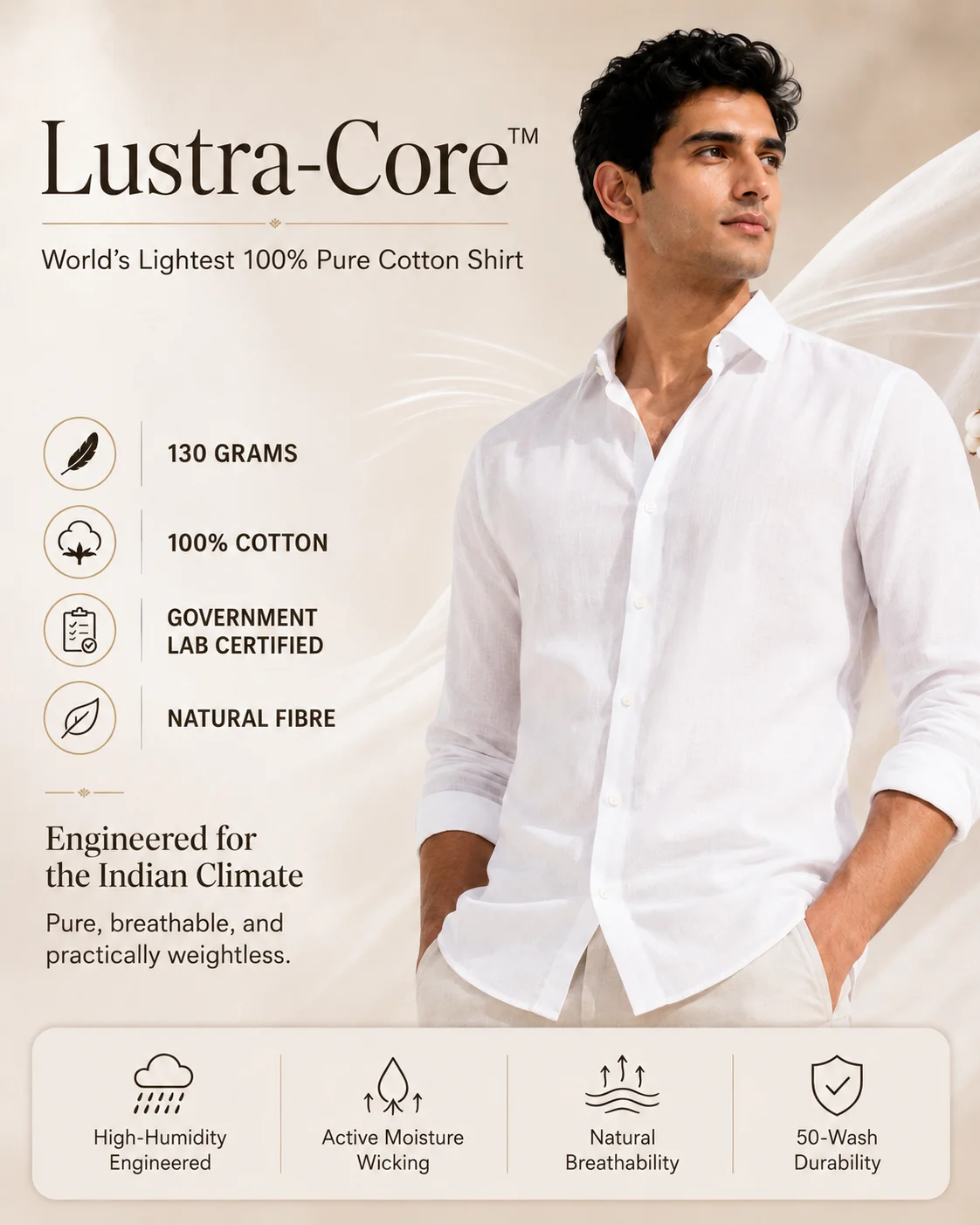
Lustra-Core™ Absolute White
Ultra-light pure cotton shirt engineered for Indian summers.
Slow Fashion Success Stories: Men’s Wardrobe Staples That Actually Get Better
Linen isn’t just fabric—it’s philosophy. In India’s slow fashion movement, pieces like well-made linen shirts from Pehanoge represent a conscious rebellion against disposability. They’re designed for decades, not seasons. Unlike synthetic alternatives that pill and lose shape, linen only improves with time. A decade-old linen shirt becomes a man’s second skin, comfortable in heat, resilient in cold, and elegant in every stage between.
Mixing the 10‑Year Linen Look with Modern Men’s Trends
Styling a decade-old linen shirt requires balance. Pair it with raw denim or tailored linen trousers to maintain its relaxed DNA while elevating the silhouette. A minimal watch and leather belt ground the look, while a neutral-toned jacket adds seasonal versatility. In winter, layer under a navy sweater; in summer, go solo with white sneakers. The key is letting the shirt’s history speak for itself—no need for competing textures.
What to Look for When Purchasing Linen for Longevity
Quality linen starts with weight: look for 120–140 gsm for everyday wear. Tightly woven fabric resists pilling, and reinforced seams prevent unraveling. Eco-certifications like OEKO-TEX ensure ethical production. Pehanoge uses sustainably sourced linen with minimal chemical treatment, ensuring both durability and comfort. Check for flat-felled seams and quality buttonholes—these details matter for a decade-long lifespan.
Why Linen Thrives in India’s Climate and Culture
India’s tropical climate makes linen a natural choice. Its moisture-wicking properties combat humidity, while its thermal regulation keeps wearers cool. Regions like Gujarat and Tamil Nadu have centuries-old handloom traditions, weaving linen with techniques passed down generations. Supporting local artisans through brands like Pehanoge not only ensures authenticity but also preserves craft. Linen aligns with India’s slow-living ethos, where quality trumps quantity.
FAQs
How does the fabric aging process affect linen’s breathability and comfort?
As linen ages, its fibers relax and become more flexible. This enhances breathability, allowing air circulation to improve. The natural crimp in the fibers loosens, making the fabric lighter against the skin. Comfort increases as stiffness diminishes, and the garment conforms to the body’s shape without losing its structural integrity.
Can regular washing techniques extend the lifespan of linen garments?
Yes. Wash linen in cold water on a gentle cycle to prevent fiber damage. Avoid over-drying; line-drying or low heat preserves fiber strength. Use mild detergents free of bleach, and never iron while completely dry—slightly damp linen is easier to handle. These steps slow deterioration and maintain the shirt’s natural texture.
What signs indicate that a linen piece has reached its peak value over time?
Look for even wear patterns, consistent softness, and a rich patina. Fading should be uniform, and seams should remain intact. Small slubs or subtle texture changes signal character, not decay. If the shirt still feels comfortable and receives compliments, it’s at peak value.
Are there specific Indian brands that specialize in long‑lasting linen for men?
Yes. Pehanoge is known for durable, climate-appropriate linen casual wear. Other notable names include FabIndia’s men’s linen range and independent designers in Mumbai and Delhi who focus on sustainable fibers. These brands prioritize quality construction and traditional weaving methods, ensuring linen pieces stand the test of time.