



For the discerning man, sleep quality directly impacts daily performance and style. While silk is often touted as the pinnacle of luxury bedding, linen emerges as the unsung hero for superior rest. If you’ve ever worn a breathable linen shirt from Pehanoge and appreciated how it keeps you comfortable through long workdays, you’ll understand why linen sheets deserve a place in your bedroom. Let’s explore why linen outperforms silk in the crucial battle for better sleep, blending comfort with a rugged aesthetic that suits the modern man’s lifestyle.
Linen vs Silk Bedding: The Ultimate Sleep Quality Showdown
When it comes to choosing between linen and silk, the conversation often starts with luxury. Silk has long been associated with opulence—its smooth sheen and cool touch feel indulgent. However, luxury means nothing if it compromises your sleep. Linen offers a different kind of refinement: one that prioritizes function without sacrificing elegance.
Recommended for You

Oxy-Linen™ | Lemon Yellow – 60 Lea European Linen Shirt
Original price was: ₹4999.00.₹3399.00Current price is: ₹3399.00.-
Oxy-Linen™ | Dusty Rose – 60 Lea European Linen Shirt
Original price was: ₹4999.00.₹3399.00Current price is: ₹3399.00. -
RUGGED-NAP | RUST CHECKED SHIRT
Original price was: ₹1499.00.₹1299.00Current price is: ₹1299.00.



The fundamental difference lies in the fibers themselves. Silk is a protein fiber produced by silkworms, while linen is derived from the flax plant. This botanical origin gives linen its remarkable breathability and moisture-wicking properties that silk simply cannot match. For men who value performance in every aspect of their lives, linen bedding delivers where it matters most—quality rest.
Breathable Sleepwear: Why Linen Dominates for Night Sweats and Comfort
Night sweats and discomfort are silent productivity killers. Whether you’ve just finished a demanding day or are dealing with India’s humid evenings, the last thing you need is bedding that traps heat against your skin.
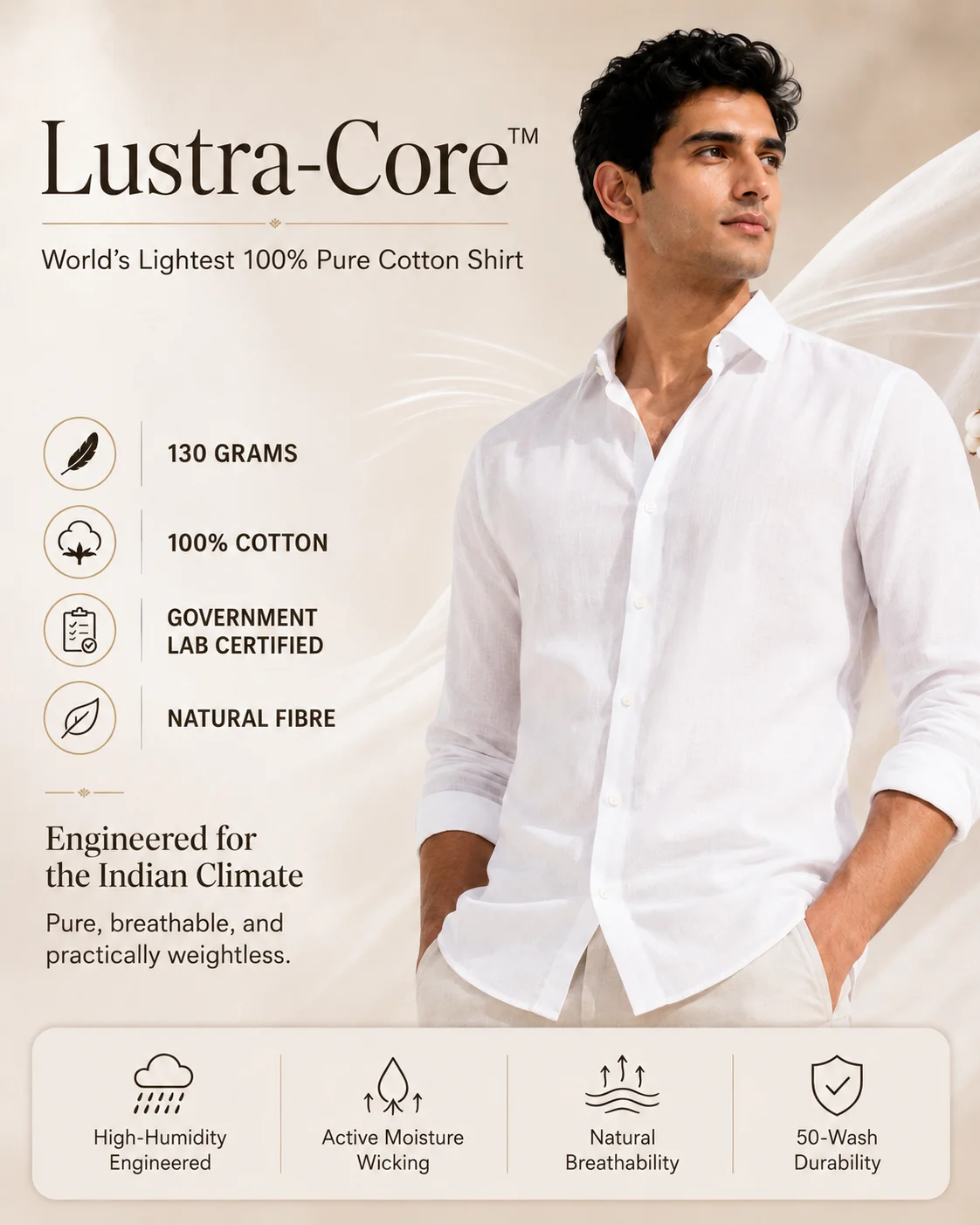
Lustra-Core™ Absolute White
Ultra-light pure cotton shirt engineered for Indian summers.
Linen excels at moisture management. It can absorb up to 20% of its weight in moisture before feeling damp, pulling sweat away from your body and allowing it to evaporate quickly. Silk, by contrast, tends to retain moisture and can leave you feeling clammy. For men who run hot or live in tropical climates, this difference is night and day—literally.
If you’ve already experienced the comfort of linen casual wear like Pehanoge shirts, you know how the fabric breathes and adapts. Your bedding should offer the same experience. Many Indian men have made the switch to linen shirts precisely because they stay cool and comfortable, and extending this preference to bedroom linens is a natural progression.
Temperature Regulation: How Linen Adapts to Your Body While Silk Falters
Temperature regulation is where linen truly shines. The natural structure of linen fibers creates air pockets that insulate when needed and release heat when things get warm. This dynamic response to your body temperature means you’re never too hot or too cold—you simply sleep comfortably.
Silk, while initially cool to the touch, doesn’t regulate temperature as effectively. It tends to trap heat once you’re nestled in, which explains why many silk sleepers find themselves kicking off covers halfway through the night. In India’s varying climate—from summer humidity to mild winters—linen’s adaptability proves invaluable. You get year-round comfort without switching between different bedding sets.
Natural Sleep Benefits: Linen’s Hypoallergenic Edge for Undisturbed Rest
Sensitive skin and allergies can turn restful sleep into a nightly battle. Linen offers a hypoallergenic advantage that silk cannot claim. The natural fibers of linen are resistant to bacteria, fungi, and dust mites—common culprits behind nighttime allergies and skin irritation.
Silk, while often marketed as gentle, requires careful maintenance and can harbor allergens if not cleaned properly. For men who prioritize low-maintenance solutions, linen wins again. It’s naturally antimicrobial and becomes softer with each wash, all without requiring dry cleaning or special handling.
Durability Meets Style: Linen’s Practical Luxury in Men’s Bedrooms
Linen bedding isn’t just about function—it’s a style statement. Its organic texture and earthy tones complement a masculine, minimalist bedroom, pairing effortlessly with leather accents or industrial decor. Unlike silk’s glossy formality, linen offers a relaxed, lived-in vibe that resonates with men who prioritize effortless cool over fussy elegance, making your sleep space an extension of your personal style.
The durability factor cannot be overstated. Quality linen bedding can last decades, becoming softer and more comfortable with age. Silk, by contrast, degrades quickly and requires replacement within a few years. When investing in bedding, prioritize linen’s long-term value: seek European flax for strength, pre-washed finishes for instant softness, and OEKO-TEX certification for safety. Silk demands delicate handling and higher costs, while linen is machine-washable, improves with age, and offers better breathability per dollar.
In India’s sweltering climate, linen is a sleep savior—its superior moisture-wicking and airflow combat humidity far better than silk, which can feel stifling. Culturally, linen aligns with the Indian preference for practical, breathable fabrics in everyday life, while silk remains reserved for special occasions. Affordable and versatile, linen bedding is gaining traction among Indian men for its comfort and low-maintenance appeal, perfect for year-round use.
FAQs
Is linen or silk better for hot sleepers in tropical climates like India?
Linen is significantly better for hot sleepers in India. Its exceptional moisture-wicking properties and breathability keep you cool and dry throughout the night. Silk tends to trap heat and can feel stifling during humid Indian summers or for men who naturally sleep warm.
How does linen bedding compare to silk for skin health and hair frizz reduction?
While silk is often marketed for hair and skin benefits due to its smooth surface, linen offers superior hypoallergenic properties. It’s naturally resistant to bacteria, dust mites, and fungi—all of which can irritate skin and affect sleep quality. For actual skin health and allergy prevention, linen is the better choice.
Can linen bedding provide the same luxurious feel as silk without the high maintenance?
Absolutely. Quality linen has a sophisticated, textured luxury that differs from silk’s glossy sheen. The beauty of linen lies in its relaxed, organic aesthetic. More importantly, linen is machine-washable, becomes softer with every wash, and requires no special care—unlike silk which demands dry cleaning or delicate hand washing.
What’s the real cost difference between linen and silk bedding over a 5-year period?
Initially, quality silk and linen bedding may seem similarly priced. However, over five years, linen proves far more economical. Silk sheets typically need replacement every 2-3 years due to wear and require costly dry cleaning. Quality linen lasts 5-10 years with simple machine washing, making it the smarter long-term investment for the practical man.