


There is a palpable change in the way Indian men are dressing. The demand for sustainable menswear is no longer a niche trend; it is becoming the standard. In this shift, flax is stepping into the spotlight as a natural fiber that rivals synthetic silk in look and feel, but leaves a fraction of the environmental footprint.
Flax, derived from the flax plant, has been used for centuries in India, often under the name linseed fiber. Today, it is being reimagined for the modern wardrobe, offering a luxurious drape without the guilt of synthetic production.
Recommended for You
-
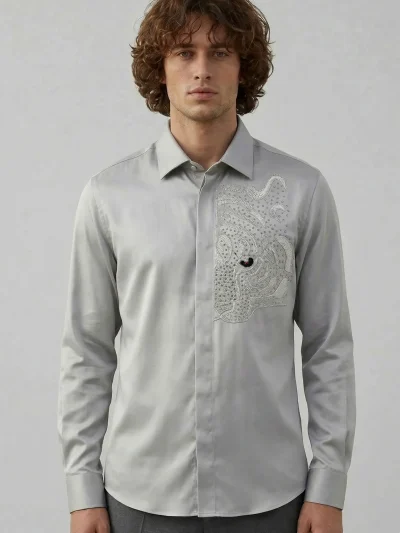
Noble Stitch | White Tiger Giza Cotton Shirt
Original price was: ₹1,999.₹1,599Current price is: ₹1,599. -

RUGGED-NAP | BLACK CHECKED SHIRT
Original price was: ₹1,499.₹1,299Current price is: ₹1,299. -
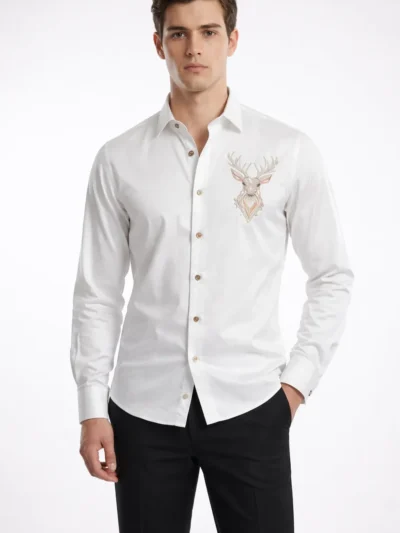
Noble Stitch | The Geometric Stag
Original price was: ₹1,999.₹1,599Current price is: ₹1,599.
Flax vs Synthetic Fibers: A Side-by-Side Environmental Comparison
When we compare flax to synthetic fibers like polyester or viscose, the difference is stark. Synthetic silk alternatives require significant energy to produce and rely on petroleum-based chemicals. Flax, on the other hand, grows with minimal water and pesticides, especially in temperate climates.
- Synthetic fibers often use 2 to 3 times more energy per kilogram than flax.
- Flax production requires almost no irrigation, relying on natural rainfall.
- The processing of flax involves less toxic chemicals compared to the heavy bleaching and softening agents used for synthetic silk mimics.
This makes flax not just a fabric, but a responsible choice for the eco-conscious consumer.
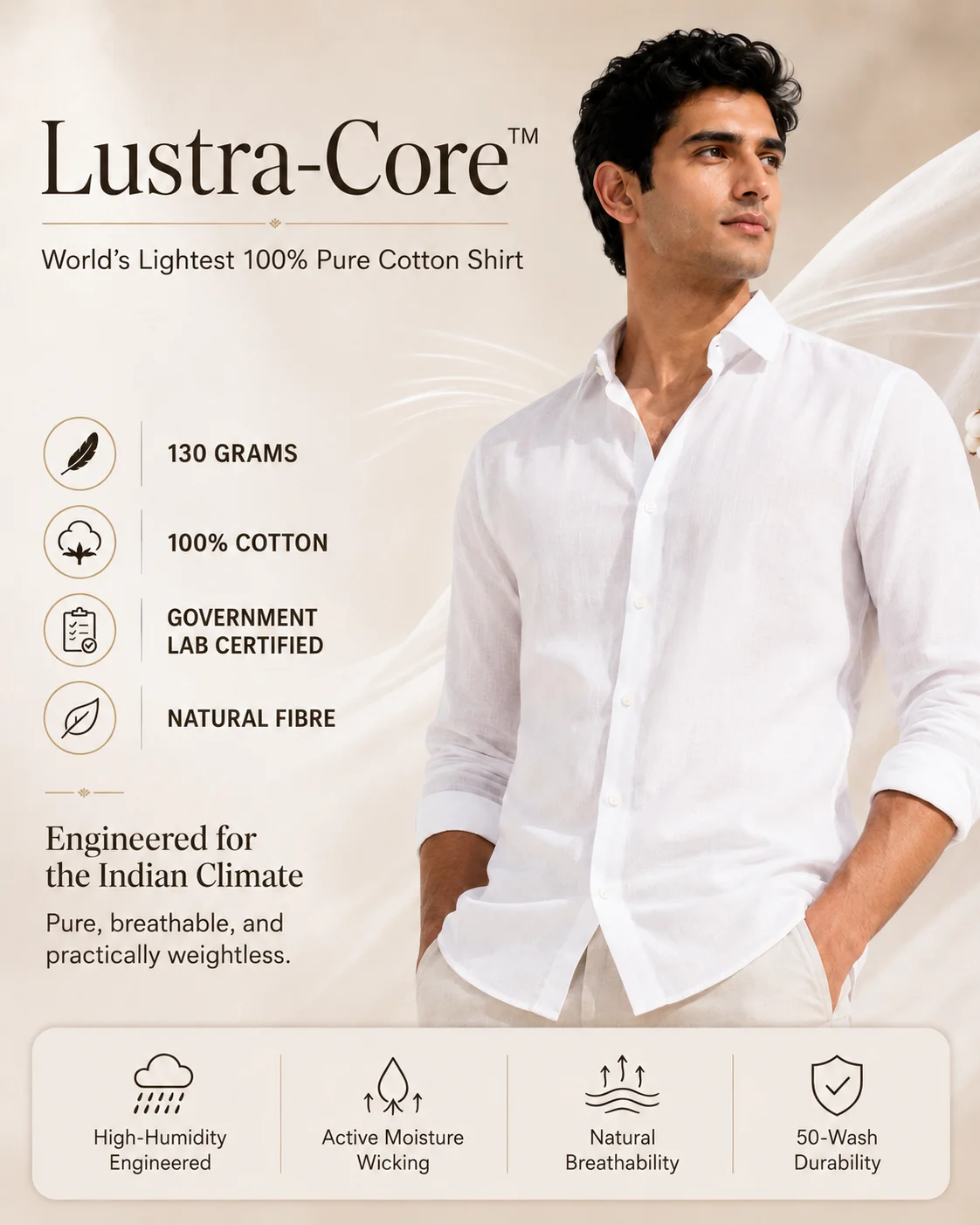
Lustra-Core™ Absolute White
Ultra-light pure cotton shirt engineered for Indian summers.
Why Flax Is Biodegradable Clothing That Beats Microplastic Pollution
One of the biggest issues with synthetic clothing is microplastic pollution. Every wash cycle of a polyester shirt releases thousands of microfibers into water systems. Flax clothing is completely biodegradable. It returns to the soil within a few weeks or months, adding nutrients rather than pollutants.
- Unlike synthetics, flax does not shed microplastics during washing.
- It decomposes naturally in compost, leaving no toxic residue.
- Choosing flax is a direct way to reduce your contribution to ocean and river pollution.
For men who care about their environmental impact, this is a game-changer.
Green Textiles in Action: Performance Benefits of Flax for Men’s Fashion
Sustainability does not have to mean sacrificing comfort. Flax fibers are naturally breathable and moisture-wicking, making them ideal for Indian summers. The fabric allows air to circulate, keeping the body cool in humid conditions.
- It is highly absorbent, pulling sweat away from the skin.
- It softens with each wash, developing a rich texture over time.
- It is strong and durable, resisting abrasion better than many synthetic blends.
This performance profile is why brands like Pehanoge are incorporating flax into their casual shirt lines. A flax shirt offers the crispness of cotton with the elegance of silk, perfect for both office and weekend wear.
From Seed to Shirt: The Low-Impact Production Process of Flax Fabric
The journey of flax from field to fabric is remarkably clean. The plants are harvested, then processed through a method called retting, where natural bacteria break down the plant material to separate the fibers. This replaces the heavy chemical processing used for synthetic alternatives.
- No toxic dyes are required for the base fiber.
- The waste products, such as flax straw, can be used for bio-composites or insulation.
- The entire supply chain from farm to mill has a lower carbon footprint than synthetic production.
This closed-loop potential is what makes flax a truly green textile.
Styling Modern Men with Flax: From Casual to Sophisticated
Integrating flax into your wardrobe is easier than you think. For casual settings, a well-fitted flax shirt in a neutral tone pairs perfectly with chinos or shorts. It looks effortlessly stylish without trying too hard.
- Pair a relaxed-fit flax shirt with linen trousers for a resort-ready look.
- For a more polished appearance, drape a flax-blend blazer over a simple t-shirt.
- Pehanoge’s casual wear collection showcases how flax can be dressed up or down, offering versatility for the Indian man on the go.
The fabric’s natural sheen gives it a premium feel, making it suitable for both boardroom meetings and weekend brunches.
Buying Guide: How to Identify Genuine Flax Garments
Not all linen labels are created equal. To ensure you are getting genuine flax, look for specific details.
- Check the fiber composition. 100% flax is the gold standard, but blends with up to 30% flax are also acceptable.
- Look for certifications like GOTS (Global Organic Textile Standard) or OEKO-TEX, which ensure the fabric is free from harmful chemicals.
- Feel the fabric. Genuine flax has a textured, slightly uneven weave compared to the uniform feel of synthetics.
Avoid garments that list “linen” but are actually polyester with a linen finish. Authentic flax will be labeled clearly.
India’s Flax Heritage and Local Sustainable Brands
India has a long history with flax. The fiber has been cultivated in the northern plains for generations. Today, local manufacturers are reviving this tradition by producing high-quality flax yarn and fabric.
- Brands are sourcing flax from states like Rajasthan and Punjab.
- The revival of handloom techniques allows for low-impact production.
- Supporting these local brands helps sustain traditional craftsmanship while promoting green fashion.
By choosing locally made flax garments, Indian consumers can reduce import footprints and support the domestic textile industry.
FAQs
How does the durability of flax compare to synthetic silk in everyday wear?
Flax is highly durable. While it wrinkles easily, the fibers are strong and resistant to tearing. Synthetic silk often pills and loses shape faster. With proper care, a flax garment can last for years, developing a softer feel over time.
Is flax clothing truly biodegradable, and how long does it take to break down?
Yes, flax is fully biodegradable. In industrial composting, it can decompose in as little as two to three weeks. In a home compost bin, it may take a few months. Unlike synthetics, it leaves no microplastic residue.
Can I wash flax garments in a regular machine without damaging the fibers?
Yes, you can machine wash flax. However, it is best to use a gentle cycle with cold water and line dry. Avoid high heat in the dryer, as this can make the fabric brittle. A little extra care goes a long way in preserving the garment.
What certifications should I look for to ensure a product is microplastic-free?
Look for GOTS, OEKO-TEX Standard 100, or Bluesign. These certifications guarantee that the fabric is processed without harmful chemicals and is free from synthetic contaminants that cause microplastic shedding.