


From papermill to pocket: how the humble linen handkerchief became a symbol of manly refinement and eco‑conscious style
In a world increasingly defined by fast fashion and fleeting trends, the linen handkerchief has quietly reclaimed its place as more than just a utilitarian accessory. Once a staple in every gentleman’s coat pocket, this simple square of woven fabric now represents a convergence of heritage craftsmanship, environmental mindfulness, and understated elegance. For the modern Indian man, balancing tradition with sustainability, the handkerchief offers a unique intersection of functionality and philosophy.
Recommended for You
-
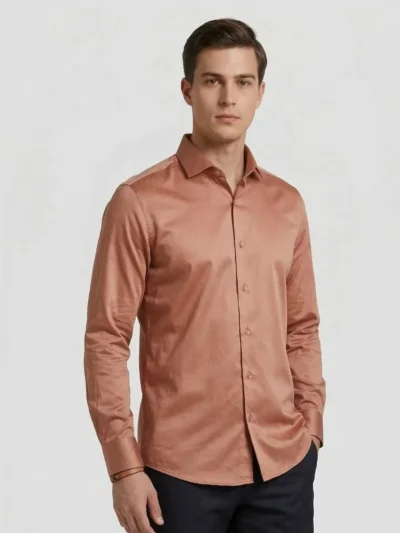
Giza-Silk | Copper Rust Long-Staple Giza Cotton Shirt
Original price was: ₹1,499.₹1,199Current price is: ₹1,199. -
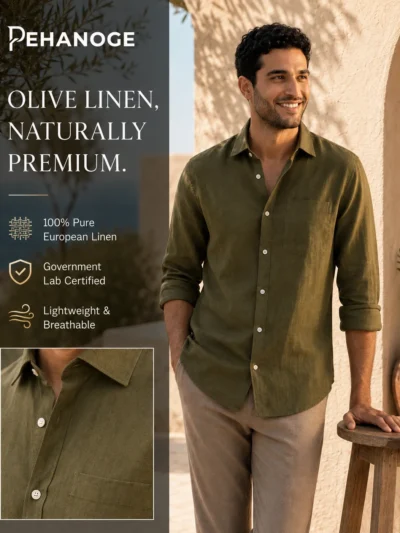
Oxy-Linen™ | Olive Green – 60 Lea European Linen Shirt
Original price was: ₹4,999.₹3,399Current price is: ₹3,399. -
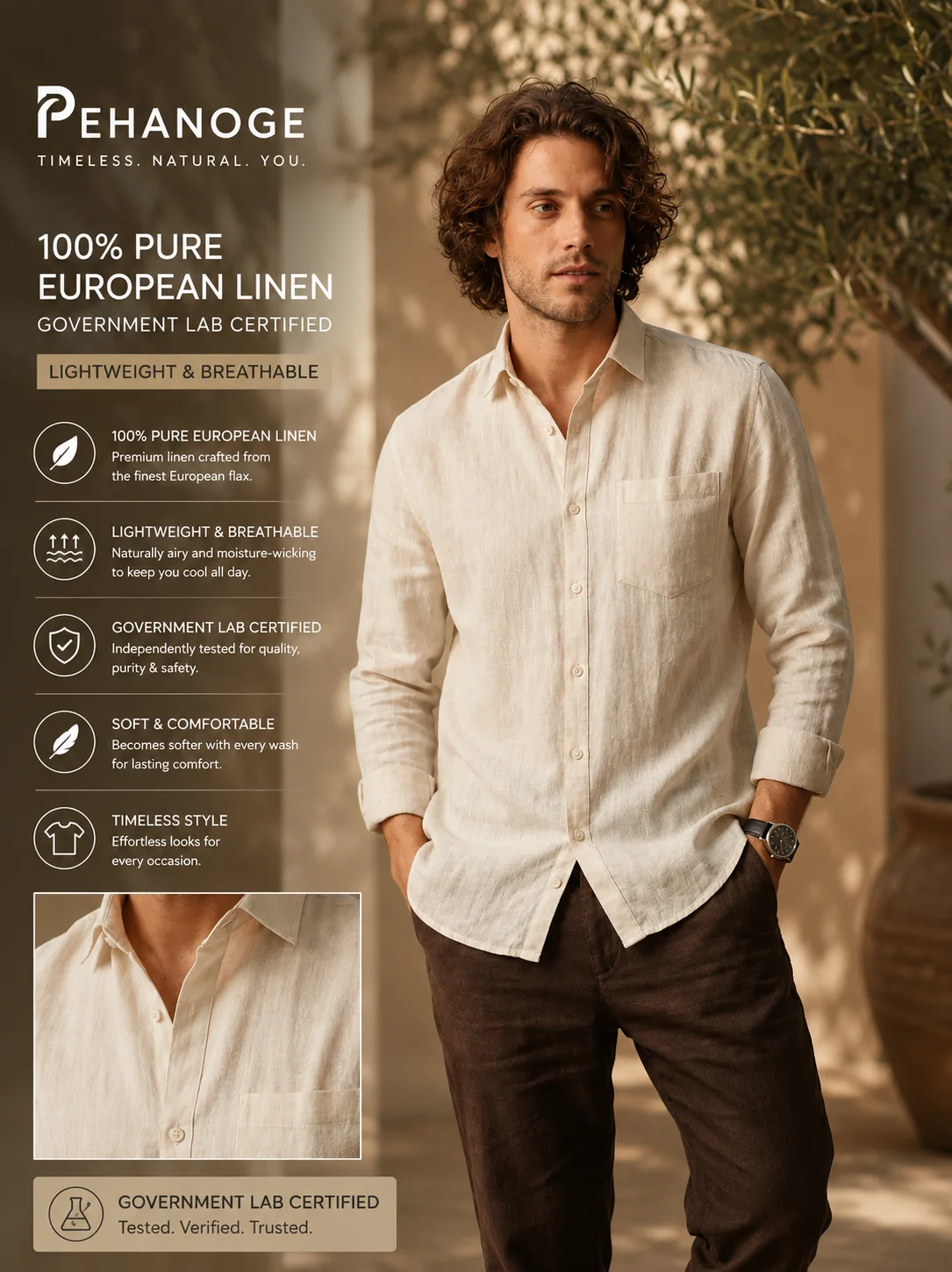
Oxy-Linen™ | Cinnamon Beige – 60 Lea European Linen Shirt
Original price was: ₹4,999.₹3,399Current price is: ₹3,399.
The Linen Handkerchief in Historical Dress Codes
The handkerchief has long been a silent ambassador of personal grooming and social status. In colonial India, British officers and Indian nobility alike adopted the linen handkerchief as a marker of sophistication. Within traditional Indian menswear, the handkerchief found its place tucked into the pocket of a sherwani or a khadi dhoti, subtly enhancing the ensemble without overwhelming it. The practice was not merely about utility; it was a statement of refined taste and attention to detail. Over time, as Western tailoring influenced Indian dress codes, the handkerchief evolved into a symbol of the well-dressed man, often peeking out from the breast pocket of a tailored suit or a carefully layered pehanoge shirt.
Linen Handkerchiefs: A Sustainable Accessory Worth Cultivating
Linen, derived from the flax plant, stands as one of the oldest naturally sustainable fibers. Its cultivation requires minimal water, enriches the soil, and demands fewer chemical inputs compared to cotton or synthetic alternatives. For the eco-conscious dresser, a linen handkerchief embodies these values, offering a reusable alternative to disposable tissues. Moreover, linen’s inherent breathability and moisture-wicking properties make it ideal for India’s varied climate, from the monsoons of Mumbai to the heat of Delhi. Each handkerchief, when cared for properly, can serve for decades, reducing the need for single-use products and aligning with the zero-waste ethos many men are beginning to embrace.
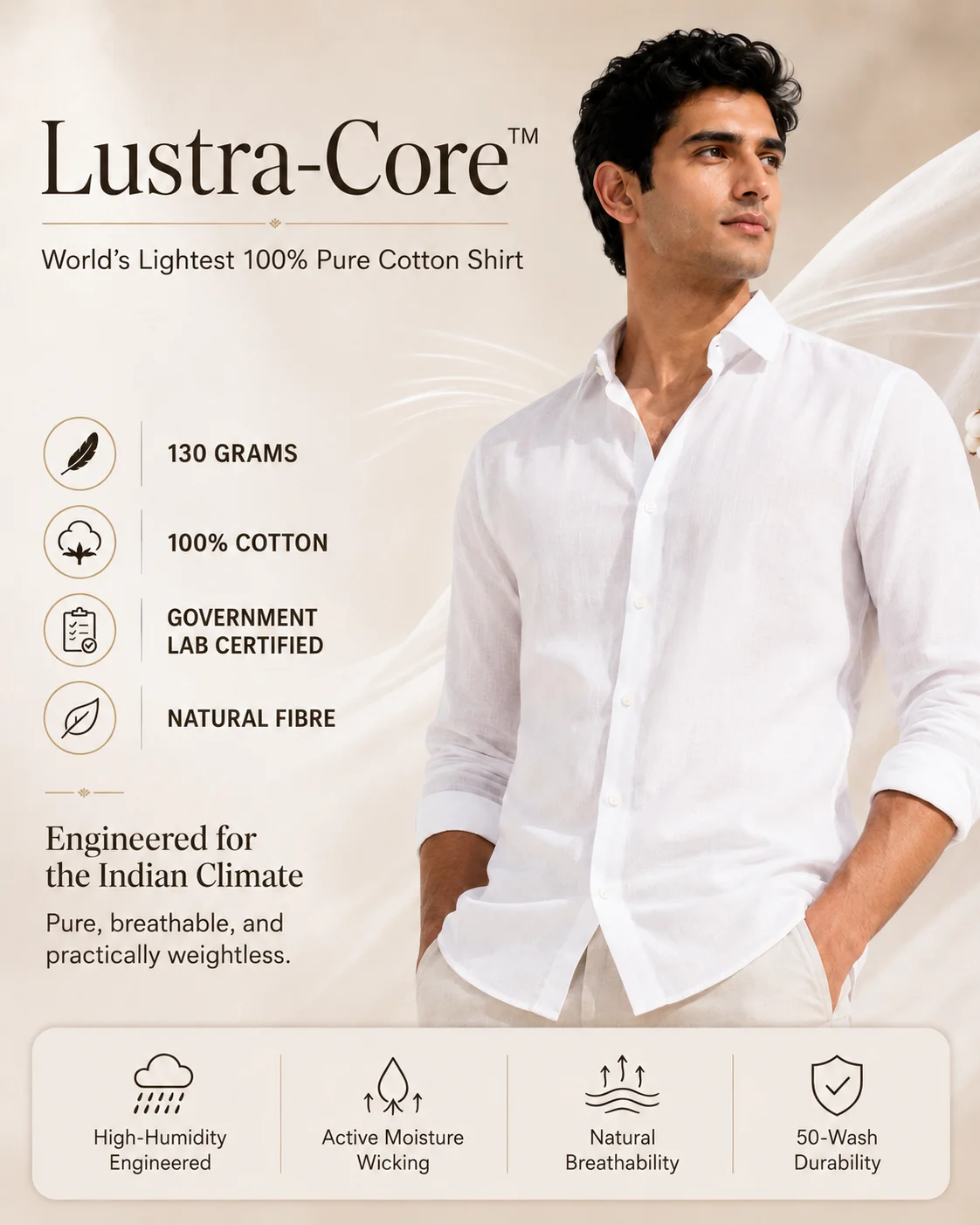
Lustra-Core™ Absolute White
Ultra-light pure cotton shirt engineered for Indian summers.
Modern Men’s Fashion: How to Pair a Handkerchief with a Zero‑Waste Wardrobe
In the age of capsule wardrobes, the linen handkerchief finds its niche as both a functional and aesthetic element. Pair a crisp white linen handkerchief with a unstructured blazer and a neutral-toned pehanoge shirt for a look that bridges formal and casual. For athleisure-inspired outfits, opt for a slightly rumpled, naturally aged handkerchief tucked into the pocket of linen trousers or shorts. The key is to let the handkerchief complement the overall silhouette rather than compete with it, maintaining the clean lines that define zero-waste dressing.
Classic Men’s Gifts: Why a Linen Handkerchief Ends up on Every Celebration List
Gift-giving in Indian households often leans toward the traditional, and the linen handkerchief fits seamlessly into this narrative. Whether it’s a wedding, diwali celebration, or a housewarming ceremony, a neatly folded handkerchief in a gift box conveys thoughtfulness and permanence. Artisans in states like Tamil Nadu and Karnataka have begun crafting handkerchiefs using age-old techniques, making each piece a small work of art. These can be paired with other traditional items like a handwoven pocket square or a set of wooden grooming tools, creating a curated gift that honors both heritage and sustainability.
The Indian Linen Legacy: From Vellore Threads to Bangalore Boutiques
India’s relationship with linen is deeply rooted, with historical references found in ancient texts like the Manusmriti, which speaks of linen garments worn by sages and ascetics. Today, cities like Vellore in Tamil Nadu are witnessing a revival of traditional linen weaving, where handlooms produce fabric that is both durable and environmentally friendly. Bangalore’s boutique scene has embraced this movement, with local designers incorporating linen handkerchiefs into their collections, often drawing inspiration from the ‘Pancham’—a traditional design featuring five distinct motifs that symbolize prosperity and balance. These handkerchiefs, when paired with contemporary casual wear like linen shirts or cotton jeans, offer a subtle nod to cultural heritage while embracing modern sensibilities.
Styling Tips for the Contemporary Dresser
Styling a linen handkerchief requires an eye for balance. In business-casual settings, choose a handkerchief that complements your shirt color without clashing—earthy tones like olive or mustard work well with neutral wardrobes. For evening wear, a black or deep navy handkerchief can add a touch of sophistication to a dinner jacket or a traditional bandhgala. When mixing textures, ensure the handkerchief doesn’t overpower the outfit; a plain linen square can elevate a patterned shirt, while a subtly textured handkerchief can ground a solid-colored ensemble.
Choosing the Right Linen Handkerchief
When selecting a linen handkerchief, consider the weave and thread count. A tighter weave ensures durability, while a higher thread count contributes to a smoother finish. Size-wise, a 30 cm square is versatile enough for most pockets, though larger sizes can double as small napkins or even scarves. For authenticity, look for handwoven pieces from regions known for linen production, such as Vellore or Gulbarga. These often come with a slight natural slub, adding character and ensuring that each piece is one-of-a-kind.
FAQs
What makes linen a better choice for a handkerchief compared to cotton?
Linen is inherently more absorbent than cotton, making it superior for managing moisture in India’s humid climate. Additionally, linen requires fewer resources to produce and has natural antimicrobial properties, reducing odors and bacterial growth. Unlike cotton, which often requires chemical treatments, linen is spun from a renewable plant fiber, making it a more sustainable option.
Can I wash a linen handkerchief in a machine without damaging it?
Yes, most linen handkerchiefs can be machine-washed on a gentle cycle using cold water. However, avoid using bleach or harsh detergents, as these can weaken the fibers over time. Linen tends to wrinkle, so air-drying is preferable to tumble drying. A light iron can restore smoothness if needed, though many prefer the naturally rumpled look for a relaxed aesthetic.
How can I incorporate a linen handkerchief into a zero‑waste capsule wardrobe?
A linen handkerchief can serve multiple purposes in a zero-waste wardrobe. Use it as a napkin, a small towel, or even a makeshift bag for organizing essentials in your closet. Choose neutral colors that match various outfits, ensuring the handkerchief becomes a multipurpose staple. Pair it with other sustainable pieces like organic cotton shirts, recycled polyester sneakers, and bamboo fiber socks to maintain the eco-friendly ethos.
Where can I buy authentically sourced, sustainably produced linen handkerchiefs in India?
Look for handwoven options from cooperatives in Tamil Nadu or Karnataka, where traditional weavers are preserving age-old techniques. Online platforms like Gaatha or Crafts Council of India often feature authentic, sustainably made products. Local markets in cities like Delhi’s Dilli Haat or Mumbai’s Colaba Causeway also host artisans who sell directly, ensuring fair trade practices and supporting rural communities.