


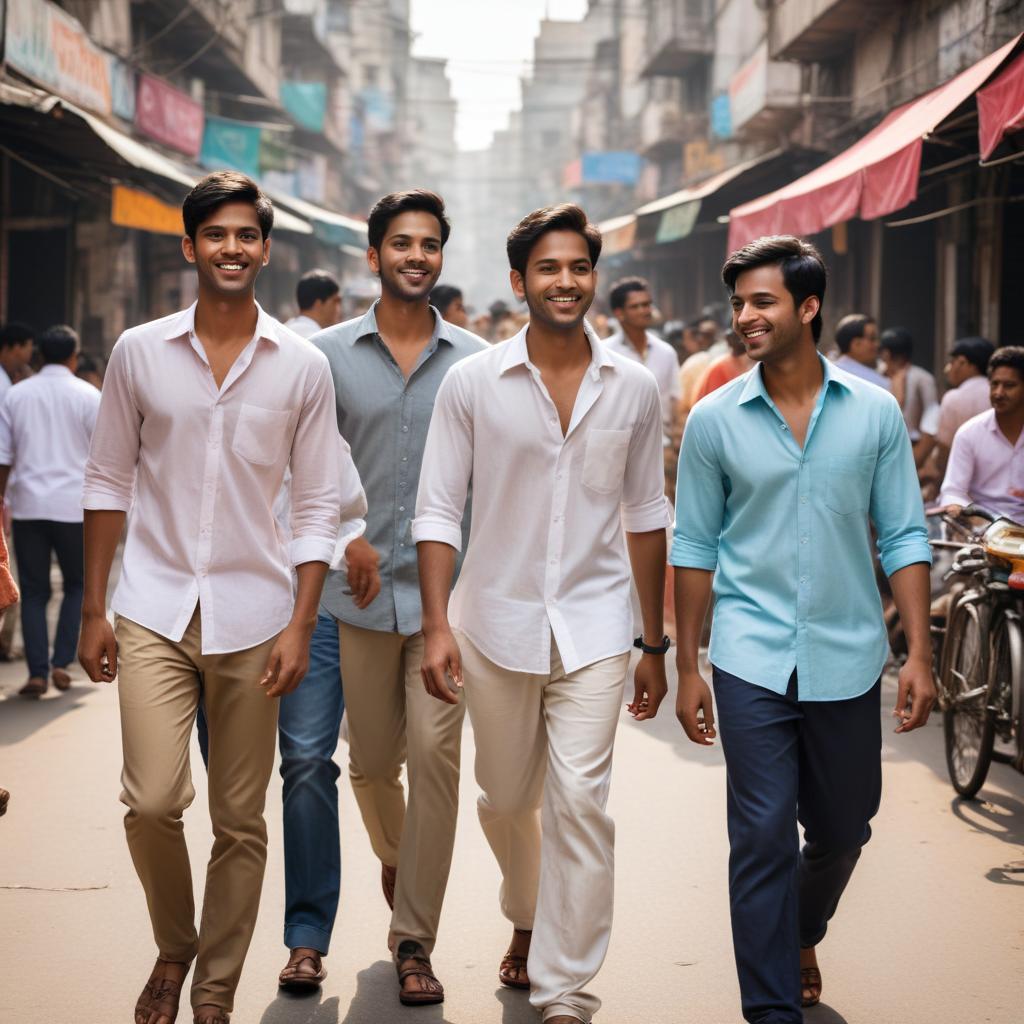
Pablo Picasso was known for his legendary simplicity. While the world saw him as a revolutionary of form and color, his personal wardrobe often leaned toward the understated, frequently favoring the raw, tactile quality of linen. For Picasso, and many artists after him from Mark Rothko to the contemporary creators of today, linen wasn’t just a fabric; it was an extension of the canvas. Its history is woven into the very fabric of art, serving as the primary support for oil paintings for centuries before it became the uniform of the creative mind.
For the modern creative, linen is more than a seasonal choice. It is a garment that mirrors the creative process itself—organic, evolving, and unapologetically honest. By blending breathability, durability, and a timeless silhouette, linen allows an artist to move from the solitude of the studio to a gallery opening without losing their edge. It defines a unique creative fashion style that prioritizes substance over superficial polish.
Recommended for You
-
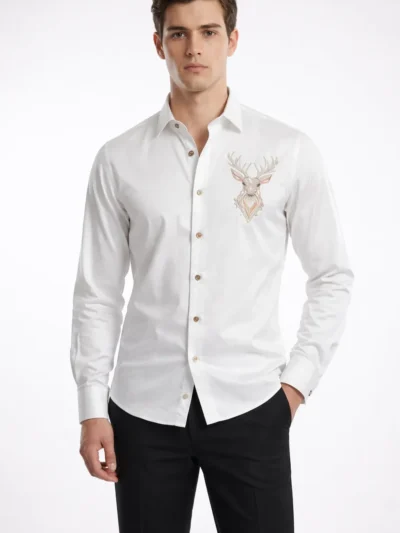
Noble Stitch | The Geometric Stag
Original price was: ₹1,999.₹1,599Current price is: ₹1,599. -

Oxy-Linen™ | Silver Ash – 60 Lea European Linen Shirt
Original price was: ₹4,999.₹3,399Current price is: ₹3,399. -
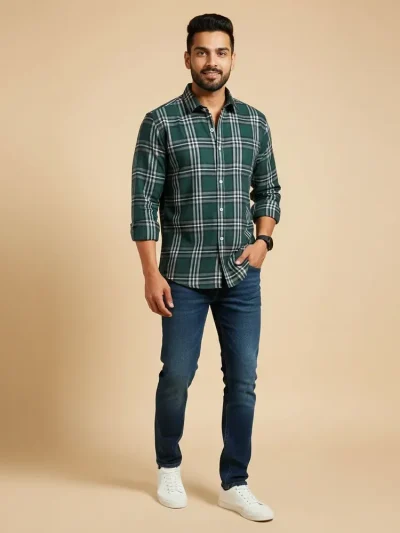
RUGGED-NAP | GREEN CHECKED SHIRT
Original price was: ₹1,499.₹1,299Current price is: ₹1,299.
The Artist’s Palette: How Linen’s Texture Inspires Creative Fashion Style
In the world of art, texture is everything. The “slubs”—those tiny, irregular lumps in the linen yarn—give the fabric a visual depth that a flat, synthetic weave simply cannot replicate. This tactile quality resonates with artists who value authenticity. In an era of fast fashion and overly polished aesthetics, the organic drape of a linen shirt represents a rejection of the sterile.
Linen interacts with light in a soft, diffused manner, making it a perfect companion for those who spend their lives studying light and shadow. When an artist chooses linen, they are embracing an aesthetic of “perfect imperfection.” It is a style that suggests the wearer is more concerned with the work they are producing than the crease in their trousers, creating a look of effortless intellectualism.
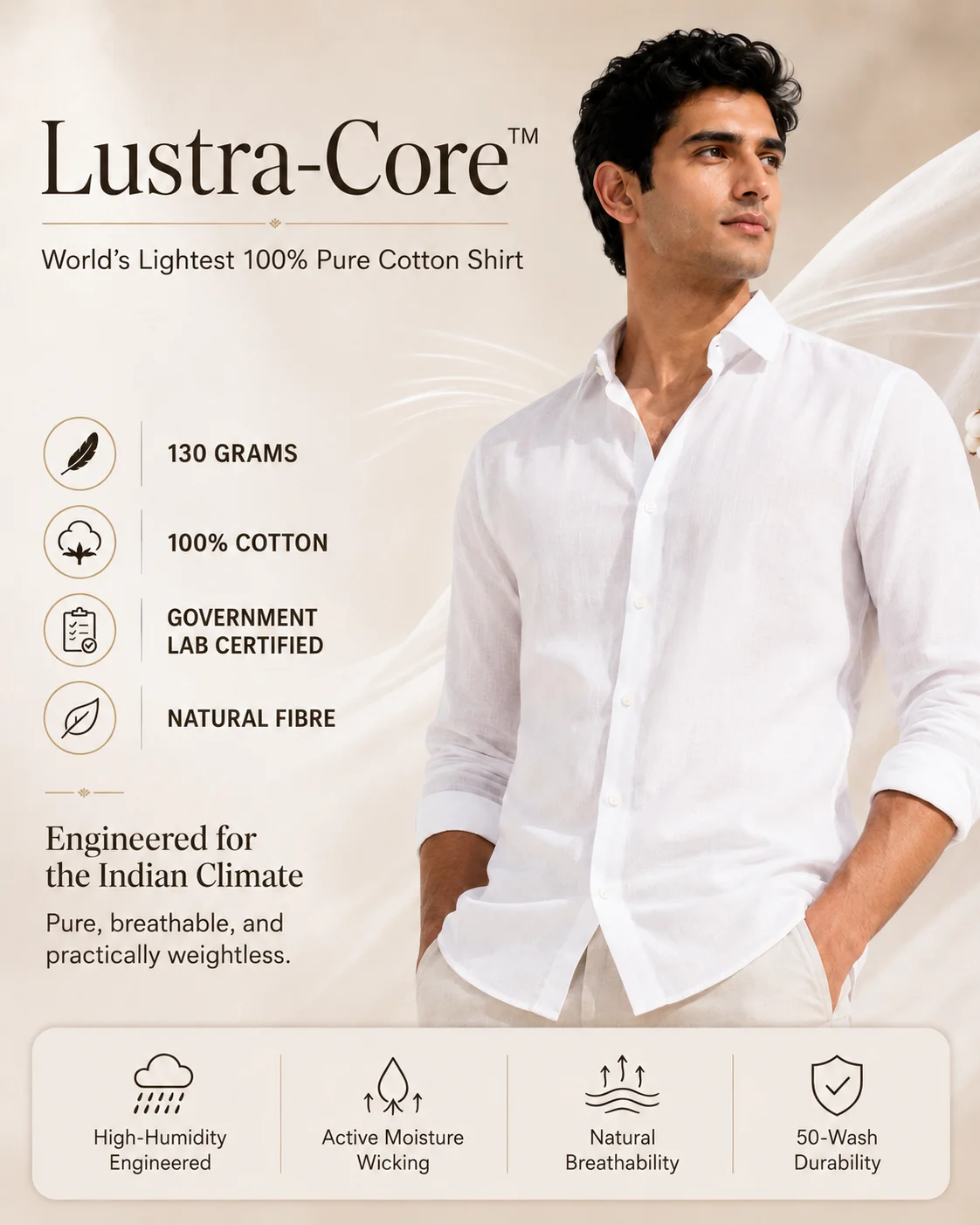
Lustra-Core™ Absolute White
Ultra-light pure cotton shirt engineered for Indian summers.
Beyond the Canvas: Linen’s Functional Advantages for Artistic Workwear
The studio is often a place of extremes—stifling heat from lighting or the physical exertion of sculpting and large-scale painting. This is where linen becomes functional workwear. Its superior breathability prevents overheating, making it far more effective than heavy cotton or suffocating synthetics.
Furthermore, linen is surprisingly resilient. While it feels light, it is one of the strongest natural fibers. It can withstand the rigors of a working studio—the occasional paint splatter, the brush of a rough easel, or the constant movement of a creator in flow. The ease of cleaning and the way the fabric softens with every wash make it an ideal choice for artistic menswear that needs to be both rugged and refined.
Comfort & Concentration: Why Linen Supports the Creative Flow
There is a profound psychological link between what we wear and how we think. Creative flow requires a state of total immersion, and any physical distraction—a restrictive collar, an itchy fabric, or the discomfort of sweat—can break that concentration.
Linen’s softness against the skin and its ability to wick moisture away minimize these distractions. By adopting a philosophy of mindful dressing, artists can clear their mental space. When you aren’t fighting your clothes, you can focus entirely on the canvas. This is why a simple, relaxed fit, such as those found in Pehanoge shirts, becomes the default for many; the lack of constriction allows for a seamless transition from thought to execution.
Linen’s Longevity: A Sustainable Choice for the Conscious Artist
Today’s artists are increasingly conscious of their ecological footprint. Linen is a champion of sustainable fashion. Derived from the flax plant, it requires significantly less water and fewer pesticides than conventional cotton. It is entirely biodegradable and renewable, aligning perfectly with the values of a creator who views their work as part of a larger, living ecosystem. Choosing linen is an ethical statement, favoring longevity and earth-friendly practices over the disposability of modern trends.
Styling Linen for the Artistic Look
Achieving the “artist look” is about balancing relaxation with intention. To master this, focus on layering and organic tones.
- Layering: Try a crisp linen shirt worn open over a simple white tee, or pair linen trousers with a structured linen blazer for a gallery visit.
- Color Palette: Lean into earth tones—terracotta, olive, ochre, and muted slate blues. These colors complement the natural texture of the fabric and mirror the tones found in nature.
- Versatility: For a casual studio day, pair Pehanoge casual wear with rolled-up sleeves and loafers. To dress it up, tuck a dark linen shirt into tailored trousers and add a leather belt.
A Guide to Quality and the Indian Context
India has a storied relationship with linen and hand-loomed fabrics. From the traditional weaving clusters to the modern resurgence of Khadi linen blends, the country offers a unique intersection of heritage and style. Indian artists today are reclaiming this history, blending traditional silhouettes with contemporary cuts.
When buying, look for 100% linen for maximum breathability, though linen-cotton blends can offer a slightly crisper structure for those who dislike heavy wrinkling. For summer, opt for lightweight “open-weave” linens; for transitional weather, a heavier weight provides a more structured, architectural look. To ensure longevity, always wash in cold water and iron while the garment is still slightly damp.
FAQs
Does linen wrinkle easily, and is that a bad thing for an artist’s look?
Yes, linen wrinkles, but that is precisely its charm. The relaxed, slightly rumpled look is embraced by artists as a sign of authenticity and an effortless approach to style. It contributes to a natural, unpretentious aesthetic.
How do I care for linen clothing to make it last longer?
Machine wash on a gentle cycle with cold water and avoid harsh detergents or bleach. Tumble dry on low or, preferably, hang to dry. Iron while the fabric is slightly damp on a medium setting to keep the fibers healthy.
Is linen suitable for all types of artistic work (e.g., painting, sculpting, digital art)?
Absolutely. Whether you are splattering acrylics, kneading clay, or spending ten hours in a digital suite, linen’s breathability and comfort keep you cool and focused regardless of the medium.
Where can I find affordable linen clothing options?
While high-end linen is an investment, there are many accessible options. Look for reputable Indian brands that source locally, or explore linen blends if you are on a budget, though 100% linen remains the gold standard for comfort.