


Linen, a fabric that once draped the shoulders of pharaohs and adorned the robes of European nobility, carries within its fibers the weight of centuries-old prestige. Its journey from the banks of the Nile to the bustling streets of modern cities is a testament to its enduring appeal—a blend of practicality, luxury, and symbolism that continues to shape how men dress to command respect and comfort alike.
Linen in Ancient Egypt: The Fabric That Crowned Pharaohs
In the scorching deserts of ancient Egypt, linen wasn’t just clothing—it was a divine gift. The Greeks later called it “the fabric of the gods,” but it was Egypt’s pharaohs who first elevated it to an art form. Extracted from the fibrous stalks of flax, linen was painstakingly processed through retting, washing, and hand-spinning, making it a symbol of both wealth and hygiene. Archaeological finds reveal that Egyptian royals wore linen garments so fine they could be translucent, while the common people donned coarser versions. The tighter the weave, the higher the status—making linen a literal reflection of social hierarchy.
Recommended for You
-

Essentials | BEIGE REGULAR FIT Shirt
Original price was: ₹1,499.₹999Current price is: ₹999. -

Oxy-Linen™ | Rusty Red – 60 Lea European Linen Shirt
Original price was: ₹4,999.₹3,399Current price is: ₹3,399. -
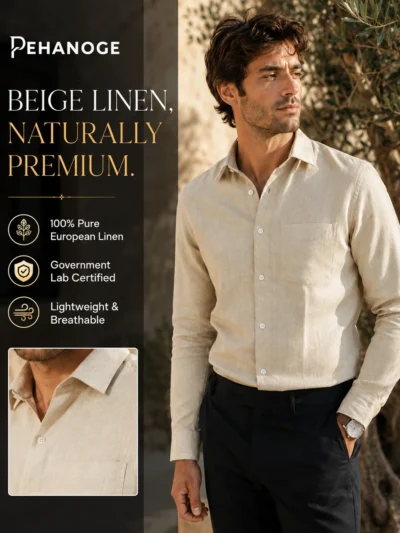
Oxy-Linen™ | Natural Beige – 60 Lea European Linen Shirt
Original price was: ₹4,999.₹3,399Current price is: ₹3,399.
Linen and Royalty: A Timeless Union of Luxury
Across Europe, linen became synonymous with nobility during the medieval period. In France and England, aristocrats wore linen shirts, chemises, and undergarments so meticulously starched they stood upright. The “linen collar” of the 16th century signaled wealth and refinement, often adorned with intricate embroidery. In India, though cotton and silk dominated traditional wear, linen found its place in royal courts, particularly during the Mughal era, where it was prized for its coolness in sweltering summers and imported from regions like Persia. The fabric’s association with purity and elegance made it a staple in ceremonial attire, bridging the gap between earthly power and spiritual authority.
Europeans Noble Linen: From Medieval Courts to Renaissance Splendor
During the Renaissance, linen evolved into a canvas for Displaying heraldic crests and emblems of lineage. Italian merchant families flaunted linen tablecloths and wall hangings woven with gold threads, while Spanish conquistadors layered linen shirts beneath armor for breathability. In India, the Mughals incorporated linen into their regalia, with emperors like Akbar favoring lightweight linen dhotis and sherwanis for court ceremonies. The fabric’s ability to drape elegantly yet withstand the test of time made it a favorite among rulers who understood that true luxury lies in subtlety.
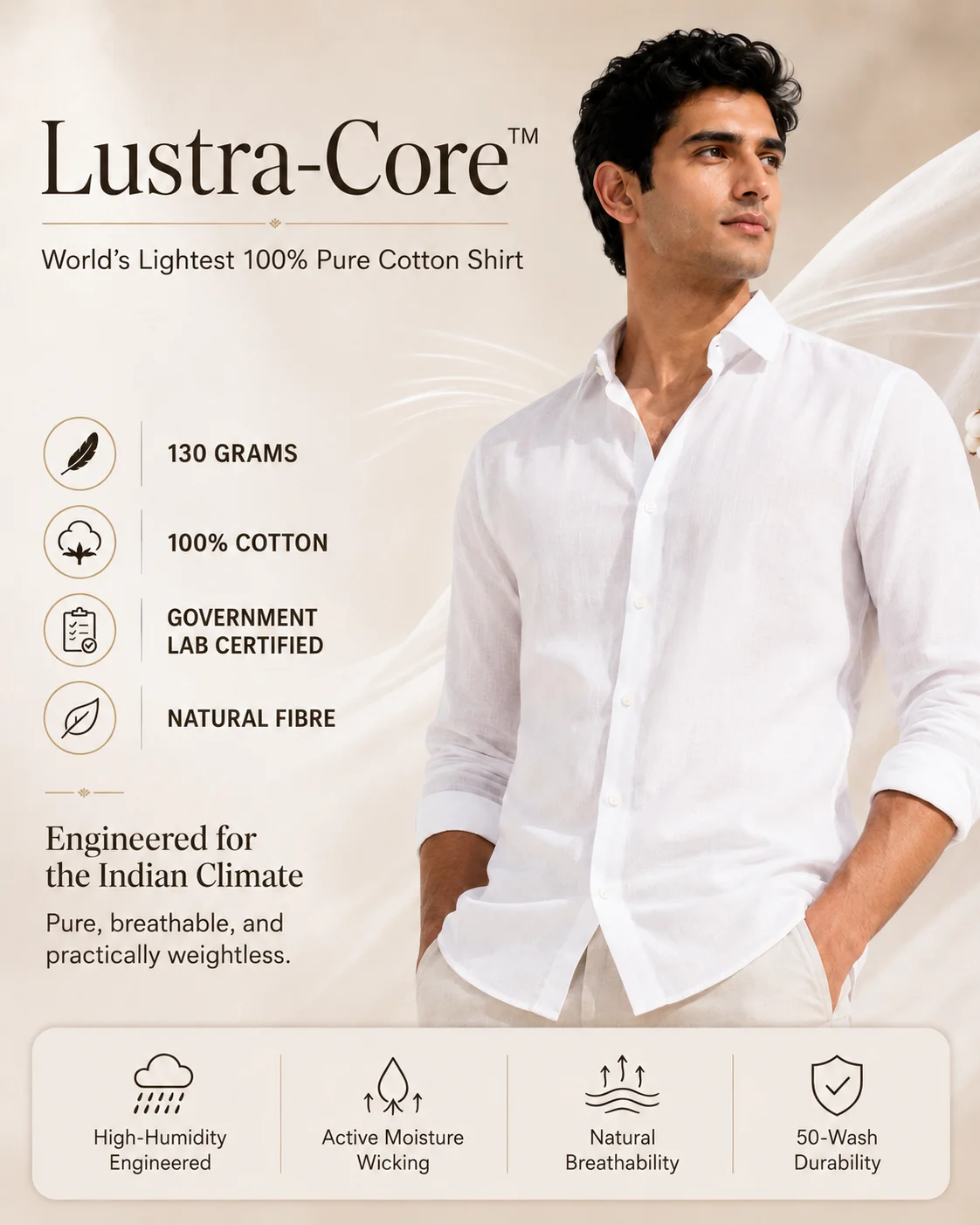
Lustra-Core™ Absolute White
Ultra-light pure cotton shirt engineered for Indian summers.
Symbolism in Sacred Linen: Religious and Ceremonial Status
Linen’s role extended far beyond the secular realm. In religious rituals, priests in ancient Egypt wore linen garments believed to purify the body, while Christian monks adopted linen habits to symbolize modesty and devotion. In India, temple priests often draped themselves in linen dhotis during rituals, associating the fabric with sanctity. The color white, inherent to linen, represented auspiciousness in Hindu traditions, further cementing its place in sacred contexts.
The Modern Linen Revival: How Ancient Royalty Inspired Today’s Menswear Trends
Today, linen’s regal heritage translates into effortless sophistication. Designers reimagine ancient draping techniques in modern cuts, while brands prioritize sustainability—a value prized by both pharaohs and contemporary consumers. From structured linen blazers for boardrooms to relaxed Pehanoge shirts paired with tailored trousers, the fabric offers versatility without compromising on its noble essence.
Styling Tips to Channel Ancient Elegance
- Structured linen suits for formal events: Think sharp tailoring with a relaxed fit.
- Casual wear: Layer a linen shirt under a navy blazer or pair with chinos.
- Accessorize with gold: Cufflinks, watches, or waistcoats in metallic finishes echo historical opulence.
- Pehanoge shirts: These loose, collarless garments offer a modern twist on traditional Indian wear, perfect for warm climates.
Buying Guide: Heirloom Quality Meets Sustainability
Opt for linen with a natural slub texture—proof of handcrafted excellence. Heritage brands like rawcloth and artisanal weavers in Gujarat or Tamil Nadu offer sustainable options. Look for certifications like OEKO-TEX and brands practicing regenerative farming.
Linen in Indian Royal Traditions and Modern Design
In India, linen’s presence is subtle but significant. While not as prevalent as cotton, it gained traction in royal wardrobes for its cooling properties. Contemporary designers like Sabyasachi and Manish Malhotra weave linen into modern sherwanis and Bandhgalas, blending tradition with global appeal. Temple textiles in South India also incorporate linen in certain regions, reflecting its spiritual undertones.
FAQs
Why was linen considered the ‘fabric of kings’ in ancient societies?
Linen’s labor-intensive production, durability, and ability to stay clean in hot climates made it a rare and costly material, reserved for the elite. Its association with divinity and purity further elevated its status.
Which historical figures were known for their iconic linen garments?
Egyptian pharaohs, Greek philosophers like Socrates, and Renaissance nobles such as Lorenzo de’ Medici were often depicted in linen robes, symbolizing wisdom, power, and refinement.
How can I incorporate linen’s royal aesthetic into my everyday wardrobe?
Choose well-cut linen shirts, lightweight jackets, or casual dresses. Pair with minimal gold accessories and neutral tones to mirror the timeless elegance of royal attire.
What are the best sustainable linen brands that honor its historical legacy?
Brands like rawcloth, St. Agni, and Indian artisans from Banaras focus on eco-friendly practices, ensuring linen remains as revered today as it was millennia ago.