


Linen has long been celebrated for its natural texture and airy breathability, qualities that echo the clean lines and open spaces of contemporary architecture. In Indian metros, where the climate can be unforgiving, architects are turning to this ancient fabric to craft wardrobes that feel as purposeful as the structures they design. The subtle sheen of linen, its ability to drape without clinging, and its sustainable origin story align perfectly with the precision and elegance that define modern architectural practice.
Architect Fashion Style: How Linen Redefines Structural Minimalism
The minimalist ethos of architecture translates seamlessly into fashion when linen is the star. A well‑cut linen shirt or trouser carries the same sense of order and balance as a glass façade or a steel beam. Architects often favor muted neutrals—Parchment, stone, and soft greys—that mirror concrete and marble, allowing the fabric’s inherent texture to become the focal point. This structural minimalism is not about austerity; it is about celebrating the material’s honesty, much like the exposed structural elements of a building.
Recommended for You
-

Noble Stitch | Royal Feather Giza Cotton Shirt
Original price was: ₹1,999.₹1,599Current price is: ₹1,599. -
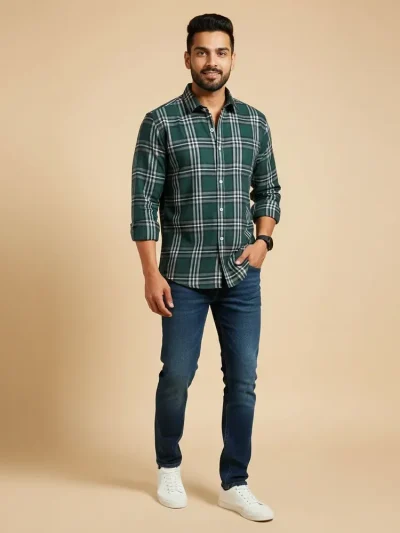
RUGGED-NAP | GREEN CHECKED SHIRT
Original price was: ₹1,499.₹1,299Current price is: ₹1,299. -
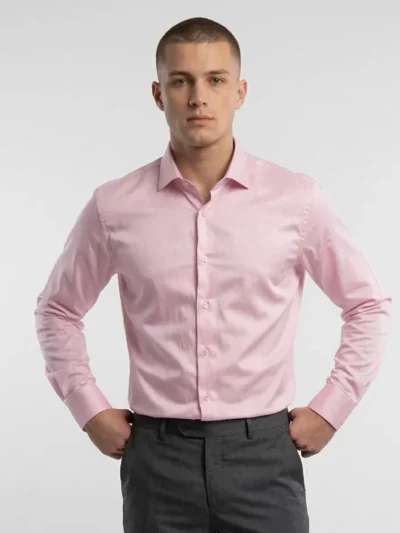
Giza-Silk | Blossom Pink Long-Staple Giza Cotton Shirt
Original price was: ₹1,499.₹1,199Current price is: ₹1,199.
The Breathability Factor: Linen’s Role in Architectural Comfort
Working long hours in bustling design studios or attending site visits under the Indian sun demands clothing that does not compromise on comfort. Linen’s natural fibres permit air circulation, wicking away moisture and keeping the body cool. Unlike heavier synthetics, linen moves with the body, offering unrestricted movement for sketching, model building, or client meetings. This breathability makes linen the go‑to choice for professionals who need to stay sharp without overheating, especially in cities like Delhi and Bangalore where temperatures soar.
Linen Meets Clean Design: Minimalist Aesthetics for the Modern Architect
Clean design in architecture is defined by uncluttered forms and a focus on function. The same principles apply to wardrobe selections. A crisp linen shirt paired with tailored silhouettes creates a visual harmony reminiscent of a well‑planned floor plan. The fabric’s subtle grain adds depth without overwhelming the silhouette, allowing architectural details—such as a neatly folded cuff or a seamlessly integrated pocket—to speak for themselves. This synergy reinforces the idea that clothing, like architecture, should be both beautiful and purposeful.
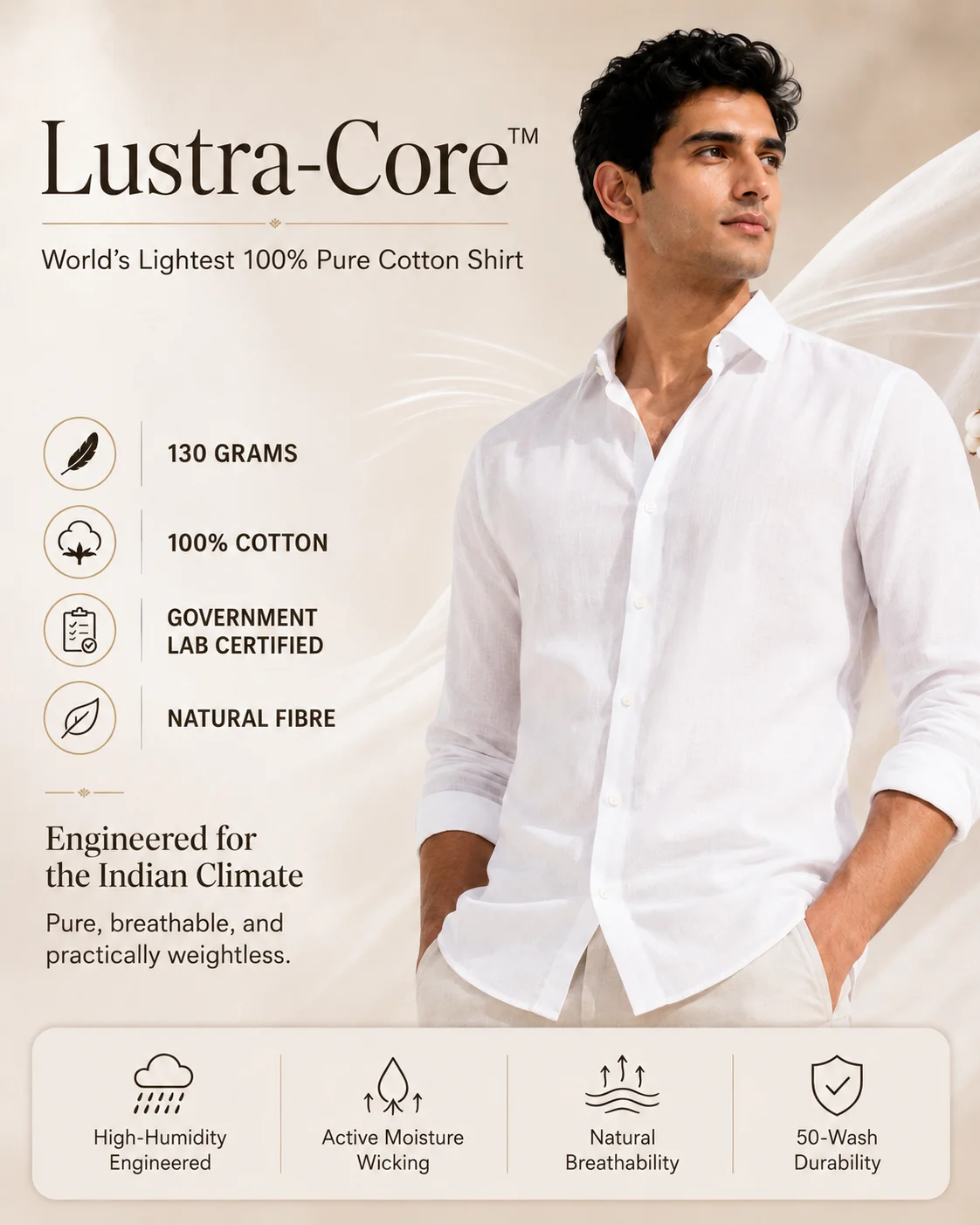
Lustra-Core™ Absolute White
Ultra-light pure cotton shirt engineered for Indian summers.
From Blueprint to Wardrobe: Integrating Designer Style into Architect Fashion Style
The journey from blueprint to personal style involves translating design concepts into wearable forms. Architects often experiment with proportion and scale, and this sensibility extends to their clothing choices. A relaxed linen trouser can echo the spaciousness of an open‑plan office, while a fitted linen blazer mirrors the geometric precision of a façade. By embracing designer pieces that reflect architectural vocabulary—clean cuts, restrained detailing, and a focus on material quality—architects craft a visual narrative that is both professional and personal.
Sustainability Synergy: Eco‑Friendly Linen in Architectural Wardrobes
Sustainability is no longer an afterthought; it is a core tenet of contemporary architecture. Linen, derived from flax, requires less water and fewer pesticides than conventional cotton, making it an environmentally responsible fabric. Its biodegradable nature and recyclability align with green building certifications, and wearing linen becomes a subtle statement of ecological consciousness. For architects who champion sustainable design, choosing linen garments reinforces their commitment to responsible materiality, both in built space and personal style.
Practical Styling Tips: Layering Linen for Architectural Elegance
- Layer a crisp linen shirt under a structured blazer for a look that balances relaxed comfort with refined authority.
- Pair relaxed linen trousers with sleek leather loafers; the contrast of soft fabric and polished footwear mirrors the interplay of textures in modern interiors.
- Accessorize with minimalist metal watches or thin steel bracelets to echo the clean lines of architectural detailing.
- For casual wear, a Pehnaoge shirt teamed with breathable linen shorts offers an effortless vibe suitable for weekend site visits or networking events.
Buying Guide: Choosing Linen Pieces that Echo Architectural Precision
When selecting linen garments, consider these criteria:
- Fabric weight: Light to medium weight works best for shirts and shirts, while slightly heavier weaves are ideal for tailored jackets.
- Weave tightness: A tighter weave offers more structure and reduces transparency, suitable for formal settings.
- Colour palette: Neutral tones such as ivory, sand, and muted taupe reflect architectural palettes and pair easily with other pieces.
- Seam construction: Look for double‑stitched or flat‑felled seams that convey precision, mirroring engineered details.
Indian Context: Linen’s Fit for Climate and Design Culture
In India, the demand for subtle designer style is rising among architects who seek garments that respect both tradition and modernity. Linen’s breathability makes it perfect for the hot, humid summers of Delhi, Mumbai, and Bangalore, while its understated elegance resonates with the growing preference for refined, non‑flashy attire. Brands that offer locally sourced or responsibly produced linen are increasingly popular, as they align with the community’s emphasis on supporting sustainable craftsmanship. The result is a wardrobe that feels native to the climate yet speaks the universal language of architectural minimalism.
FAQs
What weight of linen is ideal for a structured blazer without adding bulk?
A medium‑weight linen, typically around 180–220 gsm, provides enough body to hold shape while remaining breathable and lightweight enough for everyday wear.
Can linen be tailored to achieve the sharp lines associated with architectural silhouettes?
Yes. Skilled tailors can cut and press linen to create crisp edges and clean seams, allowing the fabric to retain structured silhouettes akin to architectural forms.
How does linen’s environmental impact compare to traditional cotton for architect fashion style?
Linen requires significantly less water and fewer pesticides than cotton, and its production emits fewer greenhouse gases. This makes linen a more sustainable choice for professionals aiming to reduce their ecological footprint.
Are there specific linen blends that offer wrinkle‑resistance for long design meetings?
Blends that incorporate a small percentage of elastane or polyester can improve wrinkle resistance while preserving linen’s natural texture and breathability, ideal for extended sessions without frequent ironing.