


Discovering Linen’sSecret: How It Cools You Down During Indian Summers
Sleeping poorly in the scorching heat is a common struggle in India, especially during monsoons or dry spells when humidity traps sweat and discomfort. Linen, a fabric woven from flax fibers, emerges as a silent hero. Its natural structure allows air to flow through the material, wicking away moisture and preventing the clinginess that ruins sleep. Unlike synthetic fabrics that trap heat or even some cottons that retain sweat, linen adapts to your body temperature. This makes it ideal for Indian nights when the mercury rises or muggy air clings to your skin. Many men swear by linen pajamas for this very reason, finding relief in their ability to keep the body cool without synthetic chemicals or extra layers.
Understanding Linen’s Breathability: Why It Surpasses Other Fabrics for Cooling Sleepwear
Linen’s breathability stems from its open weave and the natural hollow structure of flax fibers. Unlike cotton, which can become damp and hold moisture close to the skin, linen absorbs sweat and releases it into the air. This is particularly useful in Indian climates, where humidity can make fabrics feel heavier. For hot sleepers, the key is how linen lets air circulate. The fibers are loosely packed, creating micro-spaces that trap a thin layer of air—this acts as insulation in cold weather but allows heat to escape in warm conditions. The result is a fabric that feels lighter than cotton or silk, yet provides consistent temperature regulation.
Recommended for You
-

Essentials | HUNTER GREEN Enriched Cotton Shirt
Original price was: ₹1,499.₹999Current price is: ₹999. -

Oxy-Linen™ | Sunlight Yellow – 60 Lea European Linen Shirt
Original price was: ₹4,999.₹3,399Current price is: ₹3,399. -

Oxy-Linen™ | Natural Beige – 60 Lea European Linen Shirt
Original price was: ₹4,999.₹3,399Current price is: ₹3,399.
In Indian tailoring, this property has been leveraged for centuries. Traditional garments like sarees or dhotis often use linen in regions with extreme weather, though it’s gaining traction in sleepwear now. Designers are reimagining linen pajamas with this in mind, focusing on loose fits and minimal stitching to maximize airflow. The fabric’s durability also means it resists pilling or losing breathability after multiple washes, something many synthetic materials fail to do.
Mastering Temperature Regulation with Linen Pajamas: Key Design Elements
To harness linen’s cooling power, design choices matter. Loose weaves are essential—tighter weaves reduce air movement, defeating the fabric’s purpose. A 140–180 GSM weight is ideal; heavier linen might retain too much warmth, while ultra-lightweight versions could lack structure. Indian designers often pair linen with breathable linings or use monochromatic shades to avoid heat absorption from darker colors. Paired with a Pehanoge shirt—known for its relaxed fit and casual linen-cotton blends—during the day, these pajamas can mimic a similar comfort level at night.
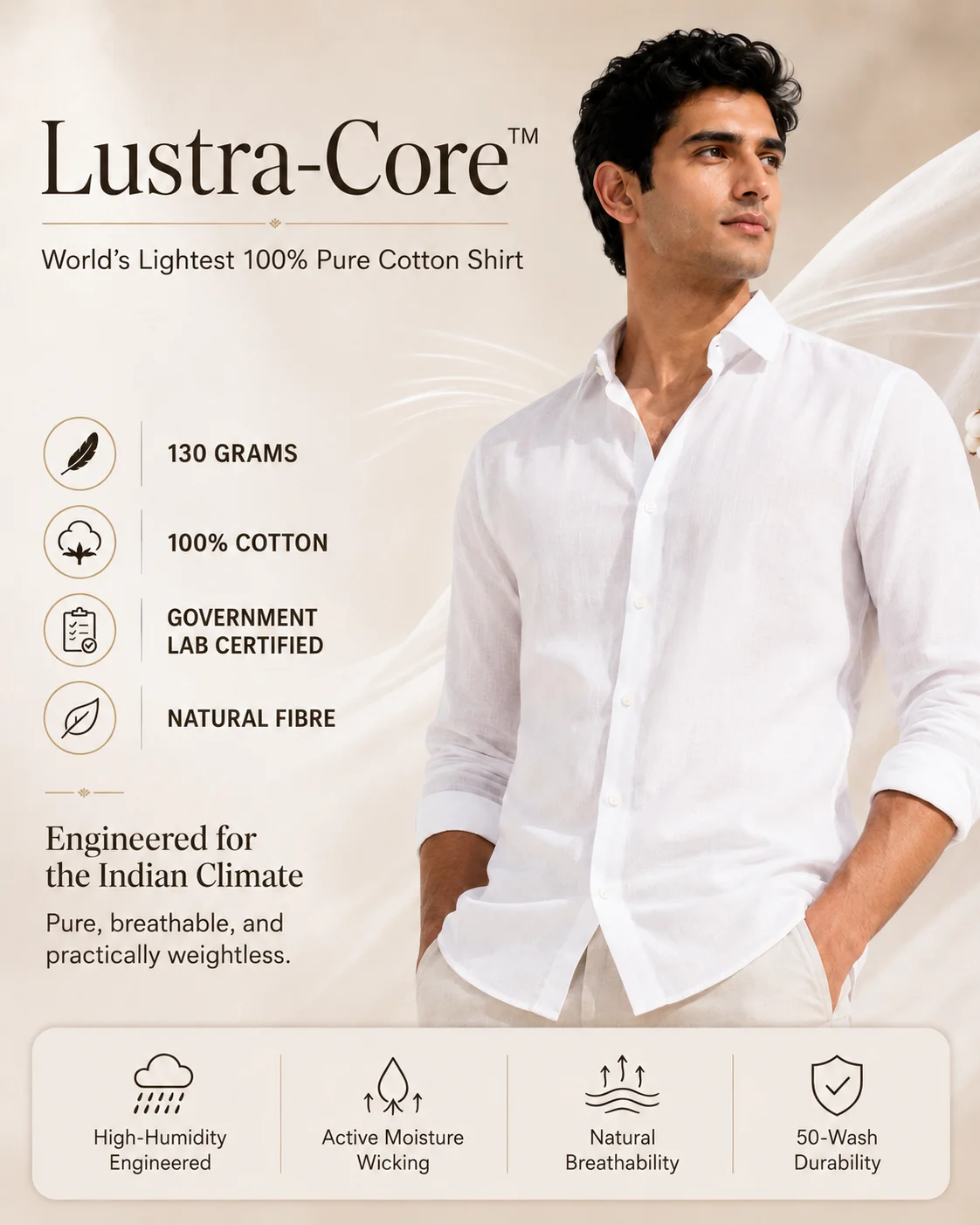
Lustra-Core™ Absolute White
Ultra-light pure cotton shirt engineered for Indian summers.
Another factor is the cut. Pajamas with open seams or split legs, inspired by traditional saang fabrics, allow better ventilation. Avoid tight cuffs or elastic bands, which trap heat. Instead, opt for adjustable hems or drawstrings that let you customize looseness as the night progresses. Layering isn’t recommended; instead, choose linen that moves with your body. For Indian homes, where fans or ACs might not be always on, pajamas should work independently. A well-designed pair will feel like a breeze even in 35°C weather.
The Impact of Linen on Sleep Health for Hot Sleepers
Hot sleepers often face disrupted sleep cycles due to overheating. Linen helps break this cycle by regulating body temperature. Studies show that cooler sleep environments improve melatonin production, which enhances REM sleep. For Indians who endure stifling summers, this means undisturbed rest and fewer midnight wake-ups. Unlike cotton, which can irritate sensitive skin when damp, linen’s moisture-wicking properties keep the skin dry. This is especially beneficial for those with night sweats or conditions like erythroderma.
Culturally, there’s a growing awareness in India about investing in quality sleep. Linen pajamas align with this shift, offering a textile that’s both traditional and modern. They’re embraced not just for comfort but as a sustainable choice—linen requires less water and pesticides to grow than cotton. For families in tier-2 or rural areas, where AC isn’t common, linen sleepwear becomes a practical upgrade. It’s a step toward merging heritage textiles with contemporary needs, much like how Pehanoge shirts have gained popularity for their versatile, breathable designs in everyday wear.
Pairing Linen Pajamas with a Cool Night Routine in India
To maximize linen’s benefits, your entire sleep environment should support its cooling properties. Start with a neutral linen pajama set—whites or pale neutrals reflect heat better than dark colors. Pair these with a lightweight sleep mask, which blocks outside light but lets airflow penetrate. Avoid cotton or wool bedding; instead, use a linen duvet cover or a cotton-linen blend that feels cooler. In Indian households, where mattresses might be placed on the floor, a thin linen mattress pad can prevent heat buildup from the ground.
Externally, fans or dehumidifiers are game-changers. A table fan placed near the bed draws in dry air, while a dehumidifier reduces moisture in stagnant rooms. For early risers, a ceiling fan rotating anticlockwise pushes cooler air downward. If using a humidifier, opt for one with a cooling mist function to avoid adding dampness. The goal is to create a microclimate that complements linen’s natural cooling.
A Buying Guide: Choosing the Right Linen Pajamas for Indian Climates
When shopping for linen sleepwear, prioritize 100% linen or blends with at least 60% linen content. Lower percentages may reduce breathability. Check the GSM—mid to high-range (140–180) balances weight and airflow. Look for terms like “loose weave” or “breathable” on packaging. Indian brands like Raw Saree or Urban Fabrics often offer handwoven linen pajamas with traditional patterns, blending aesthetics with function. For a touch of heritage, consider designs featuring Paisley patches, a nod to Indian textile art that also enhances airflow through their open weave.
Pehanoge-inspired sleepwear is another option. While Pehanoge shirts are known for their casual linen-cotton blends, some brands now extend this fabric into pajamas. These can be ideal for those who prefer a lighter, semi-formal feel. Avoid synthetic linings or moisture-wicking additives; pure linen remains purest. Care labels should indicate machine-washable care but avoid fabric softeners, as they can clog linen’s fibers over time.
Exploring Indian Linen Options: From Handwoven to Modern Designs
India’s rich textile heritage offers unique linen choices. Handwoven linen from states like Gujarat or Tamil Nadu often has a rustic charm and superior breathability due to artisan techniques. These can be found in local markets or online platforms like FabIndia. For modern tastes, brands like The Indian Collection or Biba curate linen pajamas with contemporary cuts, such as short-sleeve sets or minimalist sarong styles inspired by saang fabrics.
Traditional saang textiles, once used for lightweight summer wear, are being adapted into pajamas. These fabrics use a gauze-like weave, making them ultra-light. A deconstructed saang-style pajama with peekaboo edges or adjustable straps could be both functional and stylish. For those in coastal cities like Mumbai or Chennai, where humidity is rampant, such adaptations are practical. Pehanoge’s influence here is visible in how casual wear trends translate into nightwear—thinking beyond rigid categories to fluid, breathable fabrics.
Frequently Asked Questions About Linen Sleepwear
#### How does linen compare to cotton in terms of cooling properties?
Linen outperforms cotton in heat management. While cotton absorbs moisture slowly and can feel clingy when wet, linen wicks sweat away and dries faster. During India’s humid monsoon season, this difference is pronounced. Linen’s porous structure allows continuous airflow, whereas cotton tends to hold sweat closer to the skin.
#### Can I wash linen pajamas after a sweaty night?
Yes, but with care. Wash in cold water with mild detergent to prevent fiber breakdown. Avoid high heat when drying, as scorching can stiffen linen. Air-drying is ideal, especially in Indian climates where sunlight can naturally bleach and soften the fabric.
#### Is linen suitable for all body types when it comes to sleeping hot?
Absolutely. Linen’s natural elasticity allows it to stretch with the body, making it comfortable for all sizes. Its moisture-wicking works for heavier individuals who sweat more and those with sensitive skin prone to irritation from damp fabrics.
#### What maintenance tips keep linen sleepwear lasting and breathable?
Avoid fabric softeners and chlorine bleach. Iron on low heat with a damp cloth to remove wrinkles permanently. Store in a cool, dry place—fold rather than hang to prevent stretching. Regularly check for pilling, which can reduce airflow over time.