


Understanding Fabric Durability
In the rhythm of daily life, certain fabrics hold a timeless allure that transcends mere utility. Tradition meets innovation here, revealing how textures and resilience shape everyday experiences. Whether stitching a peacoat or polishing a casual wear outfit, these interactions define belonging. Local craftsmanship often preserves methods honed over generations, blending heritage with practicality. The subtle differences in material composition create distinct experiences, each holding its own story. Such choices matter not just in appearance but in the way they are worn, shaping interactions within communities. The adaptability of fabrics ensures they remain relevant, bridging past and present without demanding constant replacement.
Comparing Linen vs Cotton Aging
Linen and cotton differ in how they age, their resistance to sunlight, moisture, and wear. While both are staples in attire, their durability profiles vary significantly. Linen, derived from flax, stands firm under harsh conditions, resistant to fading and mildew, making it ideal for spring outfits. Cotton, however, may show creases and fragility over time, requiring careful care. Yet cotton’s versatility underlies its longevity in everyday use, though requirements differ. Understanding these nuances allows consumers to prioritize which fabric aligns best with personal habits and storage conditions. Both materials contribute differently to the fabric’s lifespan, influencing long-term use decisions.
Recommended for You

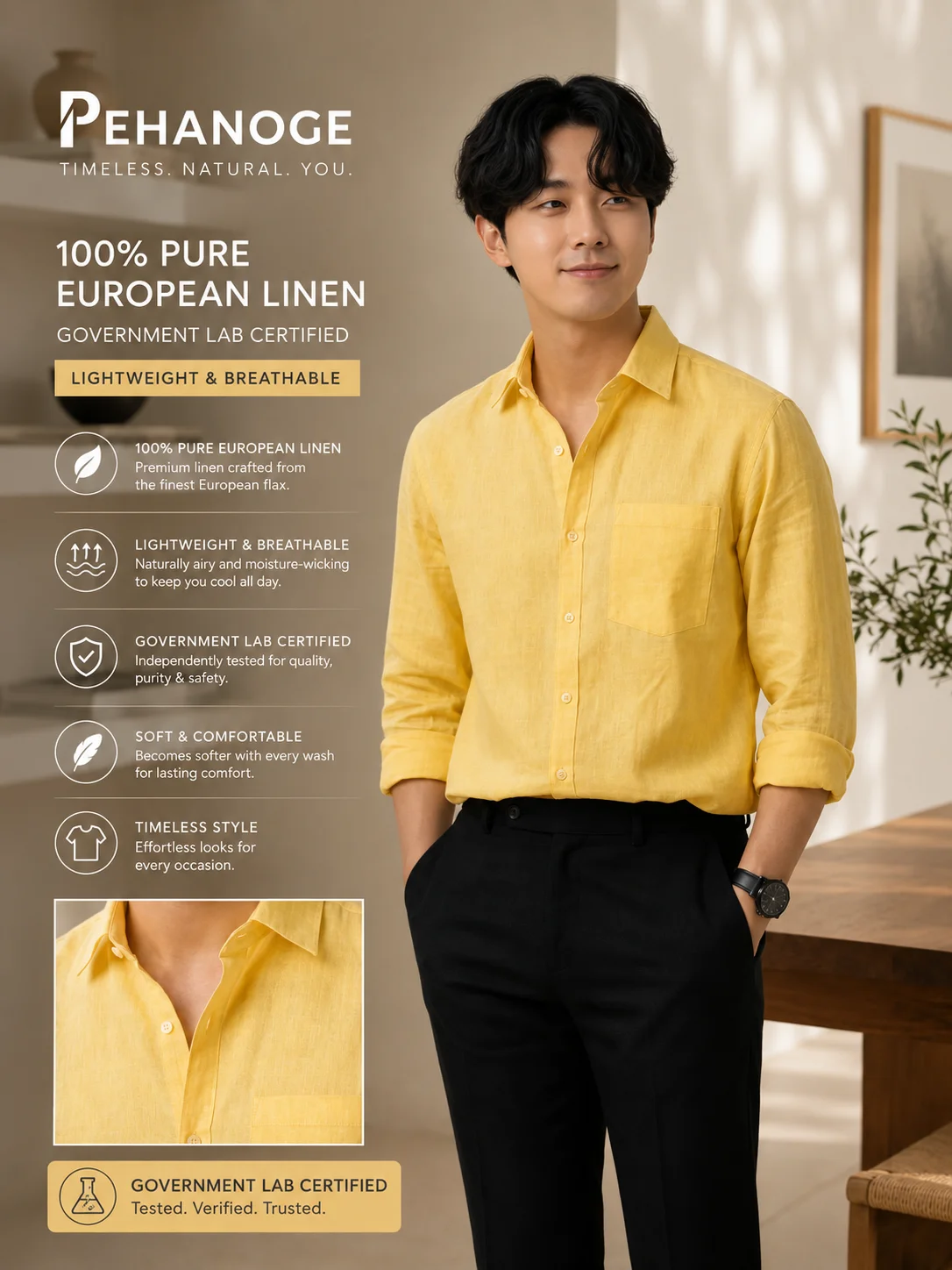
Oxy-Linen™ | Lemon Yellow – 60 Lea European Linen Shirt
Original price was: ₹4999.00.₹3399.00Current price is: ₹3399.00.-
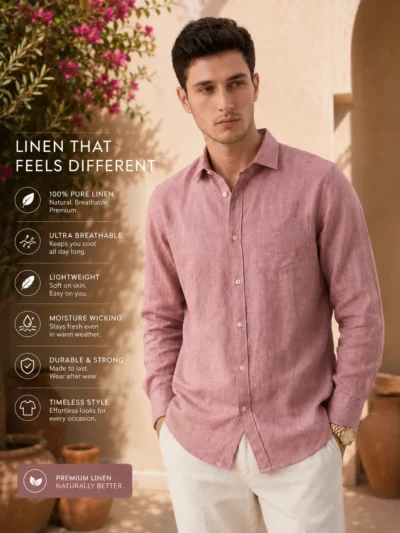
Oxy-Linen™ | Dusty Rose – 60 Lea European Linen Shirt
Original price was: ₹4999.00.₹3399.00Current price is: ₹3399.00. -
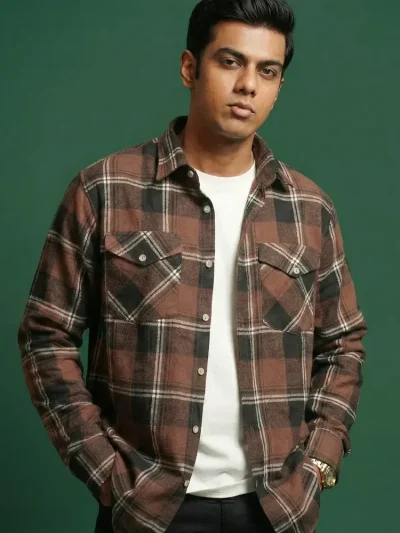
RUGGED-NAP | RUST CHECKED SHIRT
Original price was: ₹1499.00.₹1299.00Current price is: ₹1299.00.
Bullet Points on Fabric Care Practices
- Linen requires less frequent washing to maintain crispness.
- Cotton benefits from proper drying to avoid cracking.
- Combining both can balance aesthetics and durability effectively.
- Cleaning tools must adapt to fabric-specific needs.
- Regular maintenance ensures prolonged value retention.
FAQs
How do linen and cotton dyes function differently?
Linen’s natural hue is tied to its cell structure, resisting fading. Cotton absorbs dyes but can fade if not cared for properly. Microfiber effects also play a role, differing in how they trap moisture and spin under wear.
Which fabric mimics white cotton best for daily wear?
Linen’s subtle sheen and strength often rival cotton’s practicality, offering exceptional softness and blending well with natural tones. It elevates basic outfits without compromising reliability.
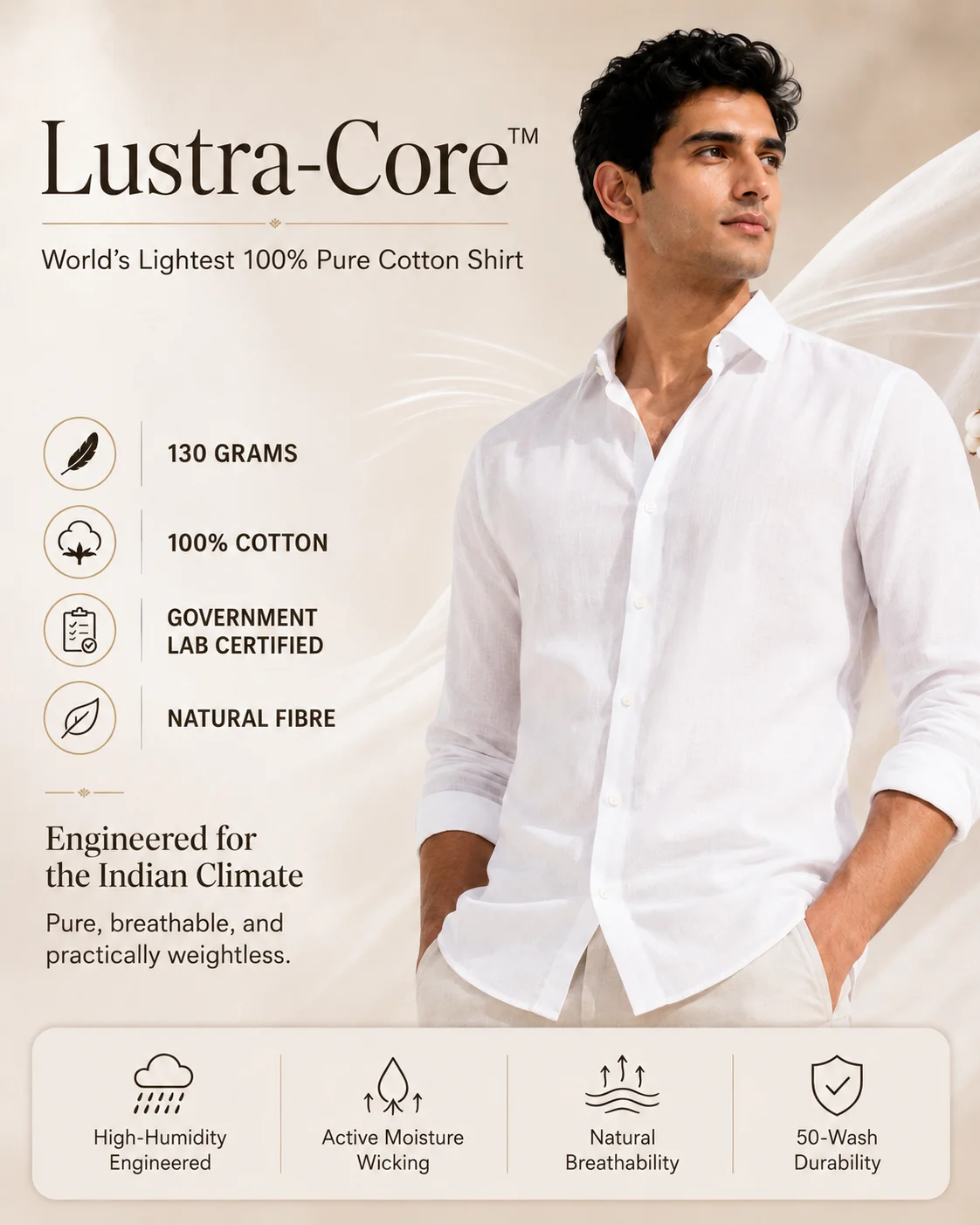
Lustra-Core™ Absolute White
Ultra-light pure cotton shirt engineered for Indian summers.
Are there cost-saving advantages in opting for non-yellowing fabrics?
Many options exist, though upfront investments vary. Prioritizing such fabrics can reduce long-term costs, especially for frequent users. However, initial expense must be weighed against durability goals.
How does fabric longevity impact comfort?
Stronger fabrics like linen enhance breathability and reduce weight perception. Conversely, softer materials may offer gentler touch but possibly slower recovery from wear. Both benefit from proper maintenance, ensuring sustained enjoyment.