


The Science Behind Temperature Regulation During Sleep
Sleeping well in India’s oppressive heat isn’t just about a fan buzzing nearby or an A/C humming in the background. It’s about what touches your skin when you’re vulnerable to the day’s lingering warmth. Linen sleepwear leverages a science rooted in natural fibers—linen’s structure allows moisture to evaporate faster than synthetic materials or even cotton. This evaporation creates a cooling effect, like how sweat cools your skin during a warm day. For someone waking up in a humid city like Mumbai or a stifling Delhi apartment, this isn’t just comfort; it’s a practical solution to the very real problem of overheating during the night.
Why Linen Outperforms Other Fabrics for Hot Sleepers
Cotton might be the go-to for many, but in extreme heat, its dense fibers can trap sweat close to the skin. Linen, on the other hand, is inherently breathable. Its long fibers are loosely woven, creating a mesh that’s more permeable than cotton. This means air circulates freely, reducing the urge to sweat excessively—a key factor when your body is already trying to cool itself. In coastal regions like Goa or humidity-heavy cities, this difference is stark. Linen also absorbs moisture without feeling clingy, making it ideal for nights when you might wake up damp but still comfortable.
Recommended for You
-

Essentials | BEIGE MANDARIN COLLER Shirt
Original price was: ₹1,499.₹999Current price is: ₹999. -

Oxy-Linen™ | Earth Green – 60 Lea European Linen Shirt
Original price was: ₹4,999.₹3,399Current price is: ₹3,399. -
Lustra-Core™ | World’s Lightest 100% Pure Cotton Shirt | Government Lab Certified.
Original price was: ₹3,499.₹2,399Current price is: ₹2,399.
Cooling Sleepwear: How Linen’s Natural Properties Beat Synthetic Materials
Synthetic fabrics like polyester trap heat and lack breathability, often making sleep feel more oppressive in warm climates. Linen’s cellular structure, by contrast, allows it to wick away sweat and dry quickly. This is especially relevant for male wearables—imagine slipping into a linen shirt from Pehanoge for bed, knowing it won’t cling to the skin but instead stay light and fresh. In monsoon seasons, when humidity is at its peak, this property becomes a lifesaver. Unlike synthetic materials that can feel like a second skin, linen’s natural texture ensures a layer of air between you and the fabric, mimicking the sensation of sleeping in a breezy environment.
Breathable Pajamas vs. Traditional Cotton: What Really Works
Cotton pajamas are comfortable in mild weather, but in India’s extremes, they often fall short. A thick cotton set will retain body heat, counteracting your body’s natural cooling mechanisms. Linen pajamas, however, offer a middle ground. They’re lighter than heavyweight cotton but more durable than synthetic alternatives. The loose weave of linen allows for maximum airflow, while its moisture-wicking qualities handle the night’s transpiration better. Even in a home without air conditioning, a set of linen pants and shirt from Pehanoge can feel like a breath of fresh air compared to the stifling weight of cotton.
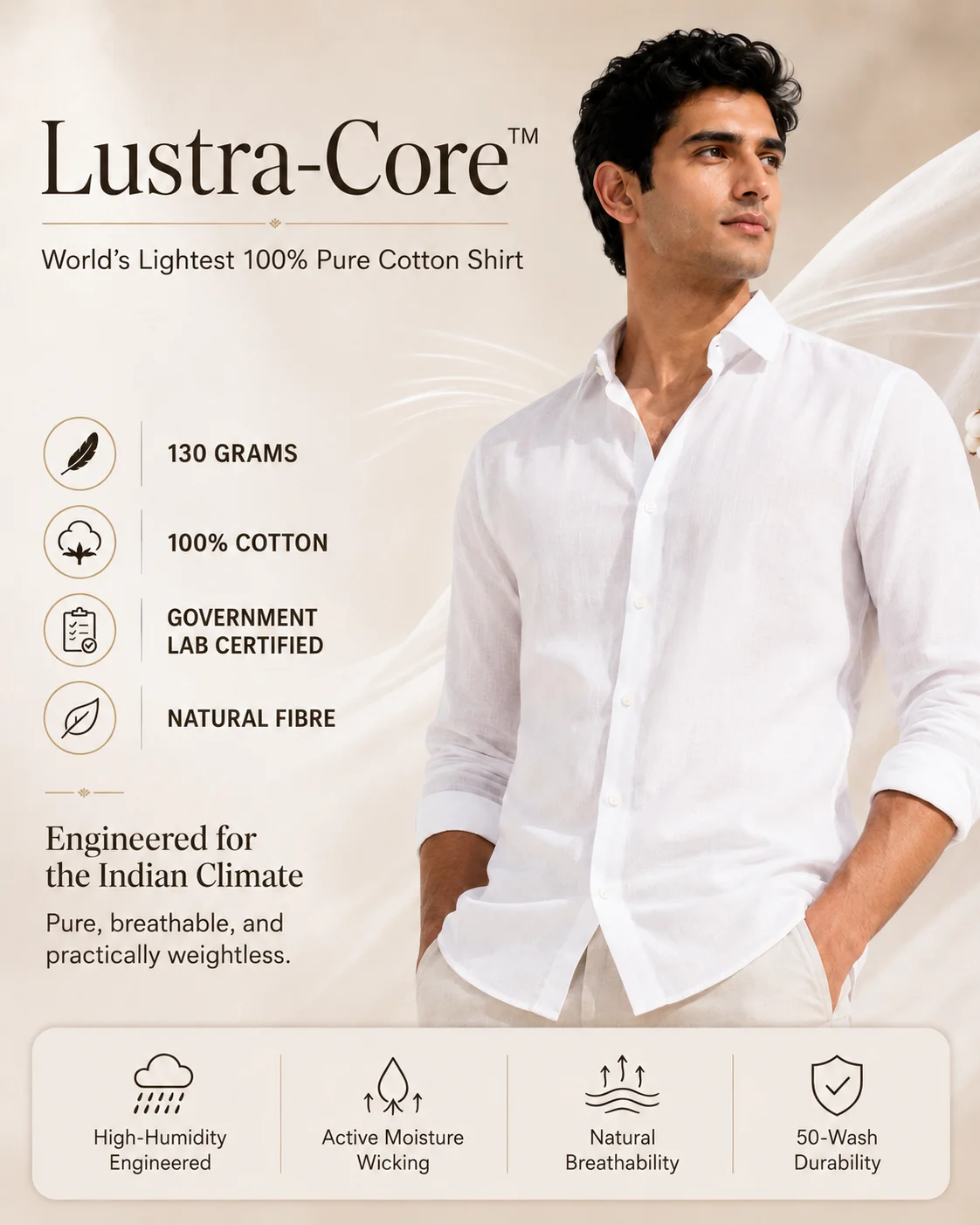
Lustra-Core™ Absolute White
Ultra-light pure cotton shirt engineered for Indian summers.
Sleep Health Impact: From Fabric Choice to Quality Rest
The right sleepwear shouldn’t just cool you down—it should aid in uninterrupted sleep. Overheating disrupts sleep cycles, leading to restless nights and grogginess the next day. In India’s heat, where nights don’t cool enough to offset daytime warmth, this is a common issue. Linen’s temperature-regulating properties help maintain a consistent skin temperature, promoting deeper sleep. It’s not just about physical comfort; poor sleep due to heat can exacerbate stress and fatigue, both of which are prevalent in high-pressure urban environments. By choosing linen, you’re investing in a tool that addresses both immediate discomfort and long-term wellbeing.
Styling Section
Linen’s versatility extends beyond the bedroom. A lightweight linen shirt from Pehanoge, for instance, can transition seamlessly from sleep to casual wear—pair it with relaxed-fit trousers for a Lowkey look at a weekend brunch. The key is to lean into linen’s natural aesthetic: embrace the slightly wrinkled finish as part of its charm rather than a flaw. Neutral tones like ivory or sand dominate Indian linen sleepwear, ensuring it blends with diverse ethnic palettes while catering to gender-neutral fashion. For those wary of the “dusty linen” stereotype, modern fits like tailored trousers or cropped shirts in linen can add structure without sacrificing breathability.
Buying Guide Angle
Not all linen products are created equal. When shopping for sleepwear, prioritize long-staple fibers over short-staple varieties. Long-staple linen is finer, more durable, and softens with each wash—key for something you’ll wear night after night. Look for a loose weave that feels breezy against the skin; tight weaves trap heat, defeating the purpose. Opt for “summer weight” linen, which is lighter than heavyweight options designed for winter. Check care labels: some blends, like linen-cotton mixes, are easier to maintain but lose some of linen’s cooling properties. In India’s monsoon-heavy regions, avoid heavyweights entirely.
Indian Context Angle
India’s climate diversity makes linen a revolutionary choice. In Mumbai’s monsoon season, where humidity sticks to you like a second layer, linen’s moisture-wicking ability is unmatched. In Rajasthan’s arid heat, its breathability prevents the sweaty cling of synthetics. Even in hill stations during summer, linen adapts by regulating body temperature without requiring air conditioning. Local artisans are now embracing linen for its practicality and aesthetics—hillbari regions increasingly feature linen blends in hand-embroidered sleepwear, merging traditional craftsmanship with modern comfort. This isn’t just about cooling; it’s about aligning with regional needs, making linen sleepwear culturally relevant in a country of 1.4 billion people with vastly different thermal environments.
FAQs
#### Does linen really keep you cooler than cotton sleepwear?
Linen does, especially in high-humidity conditions. Cotton can feel damp for longer, trapping sweat against the skin, while linen’s structure allows sweat to evaporate faster. This makes it ideal for Indian summers or monsoon nights.
#### How often should I replace my linen pajamas for hygiene purposes?
Linen is naturally antibacterial, so it doesn’t require frequent replacement. However, if you notice odor or significant wear, especially after prolonged use in humid climates, it’s time to refresh your set. Washing thoroughly after each use extends its lifespan.
#### Can I wear linen sleepwear if I’m allergic to certain fabrics?
Yes, linen is hypoallergenic and suitable for sensitive skin. It’s less likely to cause irritation compared to synthetic fabrics or even some cotton that might be treated with chemicals.
#### What’s the best way to store linen sleepwear to maintain its cooling properties?
Store linen in a cool, dry place. Avoid compressing it in plastic bags, as this can compact the fibers and reduce airflow. Hanging it loosely or folding it gently preserves its breathable structure. If damp, air it out before storage.