


Ocean-conscious fashion isn’t just about looking good—it’s about making choices that protect the very waters we love to swim in. Linen’s natural biodegradability and resistance to microplastic pollution make it a superior choice for ocean-conscious fashion compared to micro-p polyester, which releases harmful synthetic particles into marine ecosystems during washing.
The Microplastic Crisis: How Synthetic Fabrics Like Polyester Harm Marine Life
Every time we wash synthetic clothes, we’re contributing to an underwater pollution crisis. Polyester garments release approximately 700,000 tons of microplastics into oceans annually. These tiny plastic fibers enter the food chain, ultimately reaching our plates through seafood. The problem is particularly acute in Indian coastal areas like Goa and Kerala, where textile waste directly impacts marine ecosystems that local communities depend on for livelihood.
Recommended for You

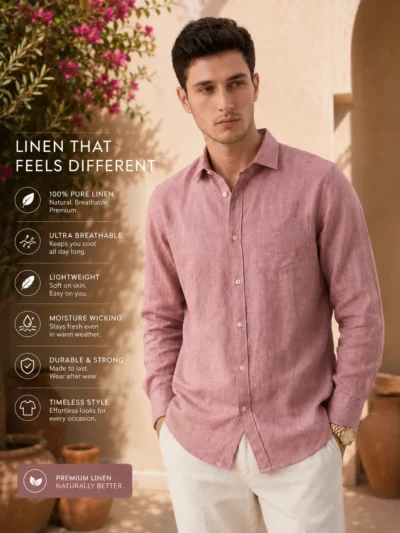
Oxy-Linen™ | Dusty Rose – 60 Lea European Linen Shirt
Original price was: ₹4999.00.₹3399.00Current price is: ₹3399.00.-
RUGGED-NAP | BLACK CHECKED SHIRT
Original price was: ₹1499.00.₹1299.00Current price is: ₹1299.00. -
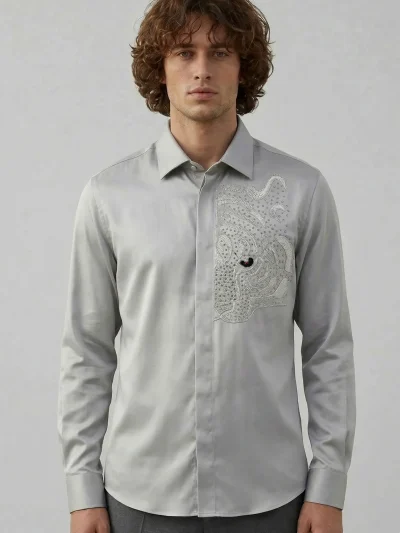
Noble Stitch | White Tiger Giza Cotton Shirt
Original price was: ₹1999.00.₹1599.00Current price is: ₹1599.00.

Synthetic fabrics don’t just pollute during use—they persist in the environment for centuries. Unlike natural fibers, polyester never truly decomposes, continuously breaking down into smaller particles that become increasingly difficult to remove from marine environments.
Linen’s Eco-Advantage: Lightweight, Biodegradable Textiles That Protect Oceans
Linen offers a remarkable alternative that aligns with both comfort and environmental responsibility. Made from flax plants, linen is completely biodegradable within months, not centuries. When linen garments like Pehanoge shirts reach end-of-life, they naturally decompose without leaving harmful residues.
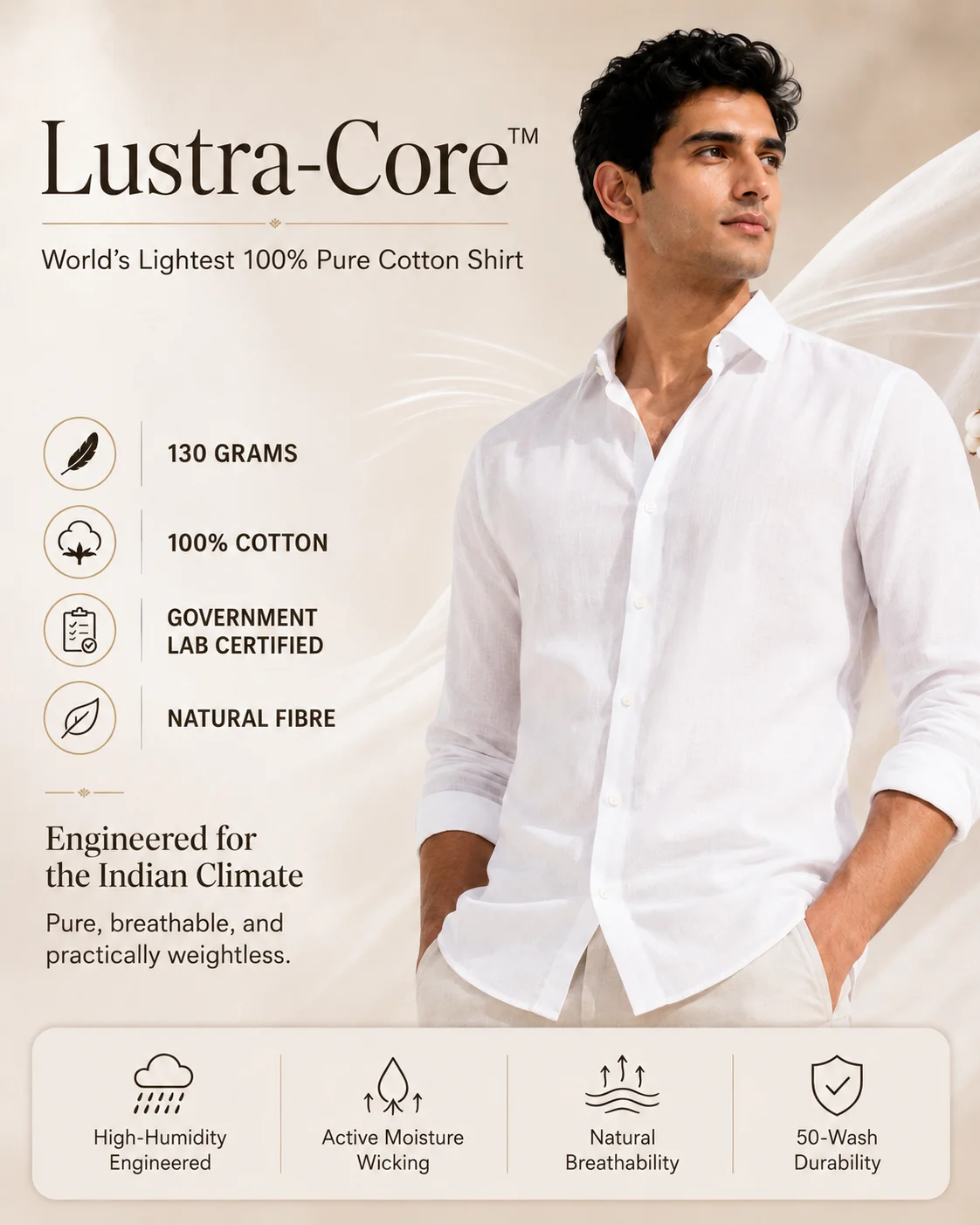
Lustra-Core™ Absolute White
Ultra-light pure cotton shirt engineered for Indian summers.
The production process requires significantly less water than cotton—up to 90 percent less—which reduces strain on resources often depleted in drought-prone regions of India. Linen’s hollow fiber structure provides natural temperature regulation, making it ideal for India’s varied climate while requiring no chemical treatments for performance.
For casual wear and everyday clothing, linen’s breathability keeps wearers comfortable in humid conditions. Indian brands are increasingly recognizing this advantage, creating collections that work with local weather patterns rather than against them.
Dye Matters: Why Eco-Certified Linen Outperforms Micro-Polyester in Water Safety
Even natural fibers can cause environmental harm if processed with toxic chemicals. This is where certification becomes crucial. Eco-certified linen uses plant-based dyes and organic processing methods that prevent chemical runoff into waterways.
Conventional polyester dyeing releases heavy metals and toxic compounds into receiving waters. In contrast, certified organic linen production follows strict guidelines that protect aquatic life throughout the dyeing process. For Indian consumers concerned about water quality, choosing certified linen means supporting practices that don’t contribute to the pollution affecting rivers that flow to the Arabian Sea.
Beyond the Hype: Debunking Common Myths About Natural Fabrics
Many believe synthetic fabrics are more durable, but quality linen actually withstands daily wear exceptionally well. Another common misconception is that natural fibers can’t handle modern lifestyles. Pehanoge shirts and contemporary casual wear demonstrate that linen easily adapts to busy schedules while maintaining its environmental benefits.
The myth that linen isn’t suitable for tropical climates ignores centuries of Mediterranean tradition. In fact, linen’s moisture-wicking properties often outperform synthetic alternatives in hot, humid conditions common across India.
From Wardrobe to Waves: How Your Clothing Choices Impact Ocean Health
Your daily clothing decisions create ripple effects that reach ocean depths. Each plastic-free garment choice represents a vote for marine ecosystem preservation. For coastal communities throughout India, from Mumbai’s fishing harbour to Chennai’s fish markets, these choices directly impact economic stability and cultural heritage.
Choosing sustainable fabrics supports local economies while protecting marine environments. When you invest in quality linen pieces, you’re supporting a system that regenerates rather than depletes natural resources.
Styling for Sustainability
Pair linen blends with recycled rubber footwear and eco-conscious accessories for outfits that reflect coastal values. Natural dye preferences ensure your color choices don’t compromise water quality. Indian artisans excel at creating beautiful natural dye palettes using local botanicals, offering unique options that celebrate regional craftsmanship.
Buying Guide for Plastic-Free Fashion
- Prioritize OEKO-TEX certified linen or GOTS-certified organic cotton
- Avoid synthetic blends entirely
- Check care labels for microplastic-shedding technologies
- Support Indian brands leading sustainable practices
Indian Context: Leading Change from Within
Indian designers like No Nasties and Doodlage prove that sustainable fashion can be accessible and stylish. Handloom linen from Bihar and Himachal Pradesh supports circular fashion ecosystems while reducing transportation carbon footprints. These locally-made options often outperform imported alternatives in both cost and cultural relevance.
FAQs
Does linen degrade faster than polyester in ocean environments?
Yes, linen biodegrades completely within months under proper conditions, while polyester persists for hundreds of years. Studies show synthetic fibers can take up to 200 years to break down fully.
Can linen shirts be worn in humid coastal regions?
Absolutely. Linen’s natural moisture-wicking properties make it ideal for humid climates. The fabric absorbs sweat quickly and dries faster than most synthetic alternatives, keeping wearers comfortable throughout warm days.
Are all recycled polyester fabrics inherently bad for the ocean?
Recycled polyester still sheds microplastics during washing and doesn’t solve the fundamental issue of synthetic fiber pollution. True ocean protection requires eliminating synthetic fibers entirely, not simply recycling them.
What certifications guarantee clothes are free from microplastics?
Look for OEKO-TEX Standard 100, GOTS (Global Organic Textile Standard), and USDA Organic certifications. These standards prohibit synthetic fiber content and ensure environmentally-safe processing methods.