


The modern wardrobe is increasingly marketed to performers: athleisure with “performance fabric” slogans that promise breathability, moisture‑wicking and wrinkle‑resistance. Yet a quieter, silent threat lies in the synthetic fibers that escape from these clothes when washed. The microscopic plastic threads that tumble out of a seemingly innocuous polyester T‑shirt find their way into rivers, oceans and eventually the very plankton that anchors marine food webs. In contrast, linen – a natural fibre grown from the flax plant – is breathable, lightweight and, most importantly, biodegradable. By choosing linen over synthetic blends, we can cut the invisible leak of micro‑polyester that fuels the microplastic crisis, directly benefiting marine biodiversity and protecting the coastlines that shape much of India’s cultural identity.
The Invisible Leak: How Micro‑Polyester Fuels the Microplastics Crisis
Every load of laundry is a potential pollutant storm. A single polyester garment can shed hundreds of thousands of microfibers during just a few washes. These fine strands spread silently into wastewater, bypassing most treatment plants and heading straight into rivers and seas. Once there, they:
Recommended for You
-
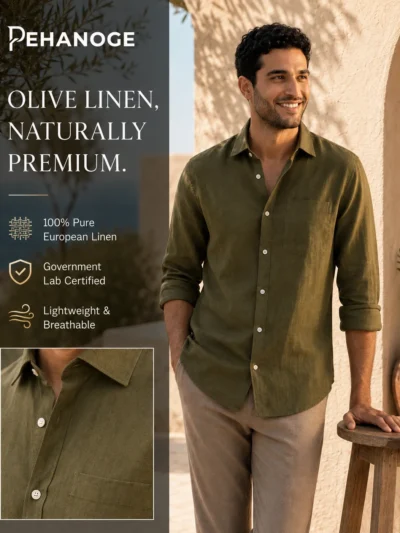
Oxy-Linen™ | Olive Green – 60 Lea European Linen Shirt
Original price was: ₹4,999.₹3,399Current price is: ₹3,399. -
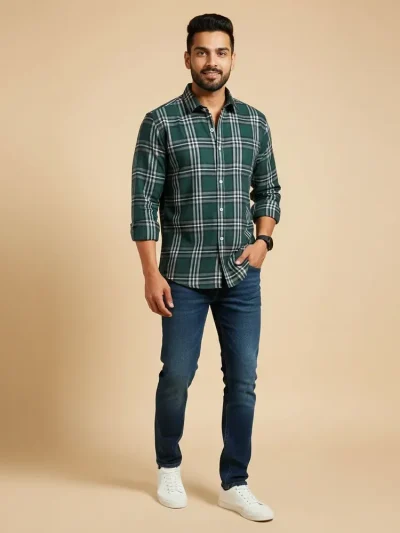
RUGGED-NAP | GREEN CHECKED SHIRT
Original price was: ₹1,499.₹1,299Current price is: ₹1,299. -
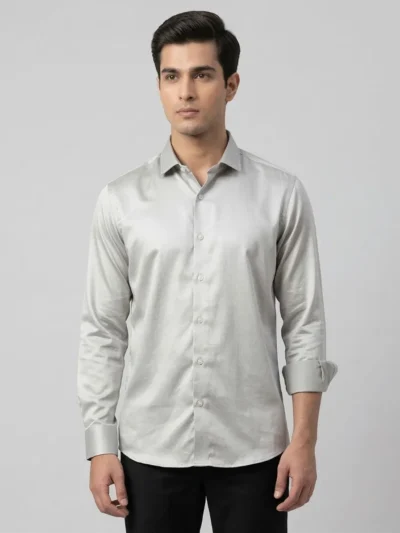
Giza-Silk | Light Grey Long-Staple Giza Cotton Shirt
Original price was: ₹1,499.₹1,199Current price is: ₹1,199.
- Provide a substrate for microalgae, disrupting local ecosystems
- Ingested by fish, birds and marine mammals, ending up in our bowls
- Persist for decades, never breaking down naturally
Unlike these hidden casualties, linen fibers remain stable and eventually biodegrade within a year or two when exposed to natural conditions. The choice of fabric, therefore, is not just a personal aesthetic decision but a direct action against a global environmental crisis.
Linen vs Microplastics: Why Natural Fibers Don’t Pollute Our Watersheds
Linen’s structure is fundamentally different from synthetic materials:
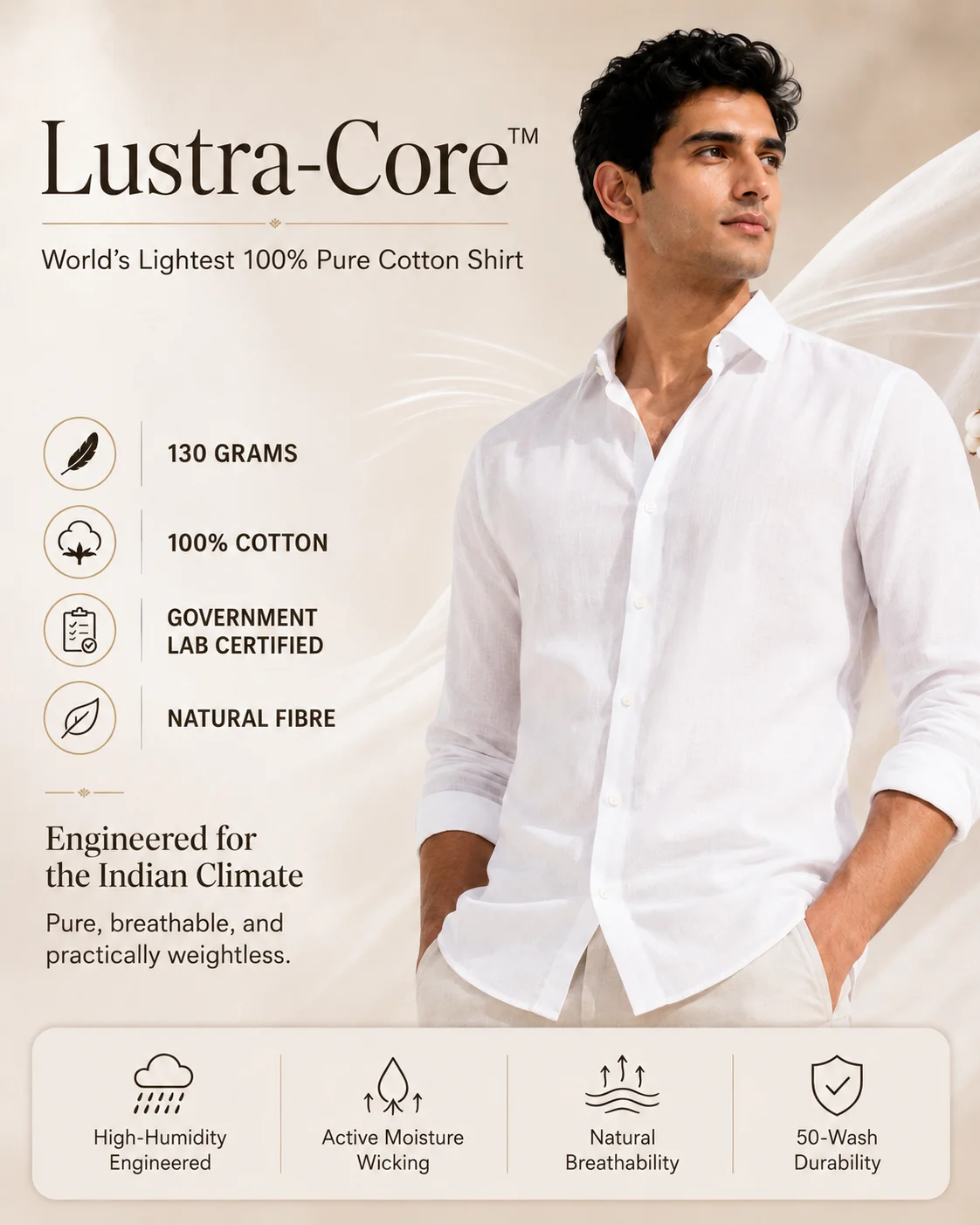
Lustra-Core™ Absolute White
Ultra-light pure cotton shirt engineered for Indian summers.
- Null shedding – Linen does not pose a micro‑fibers issue; its long, coarse fibers hold together during laundering.
- Breathable comfort – The porous weave keeps sweat away, reducing the need for frequent washes and thereby limiting potential discharges.
- Heat regulation – Ideal for India’s coastal summers, it keeps the body cool without the heat‑releasing additives often found in synthetics.
When a garment like a Pehanoge linen shirt is washed, it only releases lint that is fully compostable, making it a friend to both our skin and the sea. In contrast, a polyester blend will constantly contribute to the ever‑growing microplastic plague.
The Lifecycle Gap: Biodegradability vs Eternal Synthetic Waste
Assessing the environmental impact requires a full life‑cycle audit:
| Stage | Linen | Polyester |
|——-|——-|———–|
| Cultivation | Requires less pesticide, more water‑efficient when grown in India’s arid zones | Petroleum‑derived, high carbon footprint |
| Manufacturing | Energy use is moderate but can be offset with renewable sources | Energy‑intensive, emits significant CO₂ |
| Use | Durable, can be washed endlessly | Shrinks, loses shape over time |
| End‑of‑Life | Biodegrades naturally, feeds soil | Persists for centuries, ends up in landfills or oceans |
Choosing linen means retiring a garment from the waste stream long before its polyester counterpart would ever degrade.
Beyond the Beach: How Choosing Linen Reduces Your Personal Plastic Footprint
Not every lifestyle involves a sea‑front, but every one benefits from reduced microplastic outputs:
- Commuting in Mumbai – A linen polo and relaxed trousers keep you cool without sweat‑slicking polyester—fewer washes, fewer fibers released.
- Office outings – Oversized linen button‑downs in earthy tones project a calm, high‑end aesthetic that competes with synthetics on style, while being kinder to the planet.
- Wardrobe rotation – Linen’s durability allows you to maintain a smaller, more sustainable wardrobe, lowering overall material consumption.
Curating the “Sustainable Coastal” Look
When styling linen for both boardwalk charm and formal dinners, consider the following:
- Oversized linen button‑down in a muted pastel, paired with relaxed trousers in a complementary shade.
- Layer with a lightweight cotton blend cardigan if the evening cools—avoid heavy wool or polyester.
- Footwear—leather loafers or canvas espadrilles crafted from natural fibers.
- Accessories—opt for handmade brass bracelets or a bamboo watch.
- Details—ensure the shirt maintains a crisp structure; linen’s natural lift means you can afford to go minimal with accessories, letting the fabric speak.
This aesthetic aligns with the “sustainable coastal” vibe, celebrating breezy fabrics while ensuring every piece respects marine ecosystems.
How to Spot “Greenwashed” Blends
The market is replete with labels screaming “eco‑friendly,” yet many are just poly‑linen mixes that still contribute to micro‑plastic discharge. To avoid them:
- Read the label – Look for “100% Linen” or “GOTS Certified.”
- Check thread count – Extremely high and polymer‑heavy counts often indicate a mixed composition.
- Ask questions – In dealer parlance, ask “Is this a pure natural fiber?” or “Does any synthetic blend exist?”
- Seek certifications – The Global Organic Textile Standard (GOTS) verifies organic cultivation and minimal chemical use.
- Avoid “linen‑blend” tags unless the textile journal guarantees no added synthetics.
Leveraging India’s Heritage in Flax and Cotton Weaving
India’s cultural fabric is rich with flax weaving traditions—especially in Gujarat and Karnataka—yielding sturdy, breathable linens celebrated in rural homes for centuries. By:
- Supporting local cooperatives that produce authentic GOTS‑certified linen
- Promoting hand‑loomed shirts and trousers that honor traditional techniques
- Advocating for reduced chemical usage in flax cultivation
we not only preserve cultural heritage but also provide a climate‑appropriate alternative that can thrive in India’s diverse ecosystems.
FAQs
Does linen shed microfibers like polyester does?
No. Linen’s long, coarse fibers hold tightly together, producing negligible micro‑fiber release during washing.
Is linen more durable than micro‑polyester for beachwear?
Yes. Linen’s tensile strength and rapid drying make it resilient against the salt lingo of beach conditions, while being lighter and more breathable than synthetic blends that often wrinkle and degrade faster.
How do I wash linen to ensure it stays ocean‑friendly?
- Wash at the lowest recommended temperature (30–40 °C).
- Use a gentle, plant‑based detergent.
- Avoid the spin‑dry cycle—line‑drying reduces fiber wear.
- Consider a microfiber filter bag to catch lint if you’re concerned about residual shedding.
Can recycled polyester truly replace the benefits of biodegradable linen?
Recycled polyester reduces raw material extraction but still releases micro‑fibers during washing. It never achieves the full biodegradability profile of linen, so while it can be a better choice than virgin polyester, it does not match linen’s environmental credentials.